English
 中文简体
中文简体 русский
 عربى
عربىIf you need any help, please feel free to contact us
Ouick Product Search
Provide Hengcai OEM program, product name and other information. The content of this information is for reference only.

Established in 1988, Jiangsu Hengcai Hydraulic Machinery Manufacturing Co., Ltd. has been dedicated to the research and development as well as the manufacturing of hydraulic cylinders. Situated in Jianhu County, Yancheng City, Jiangsu Province, the factory enjoys a strategic location with Dafeng Port to the east, Xuzhou to the west, Nantong to the south, and Lianyungang to the north. The Xinchang Railway traverses the area, and the 204 National Highway, Coastal Expressway, Yancheng-Xuzhou Expressway, and Ningjingyan Expressway crisscross the region, providing a well-connected transportation network. The proximity to Yancheng Nanyang International Airport, just a 70-kilometer drive away, has laid a solid foundation for the company's rapid growth.
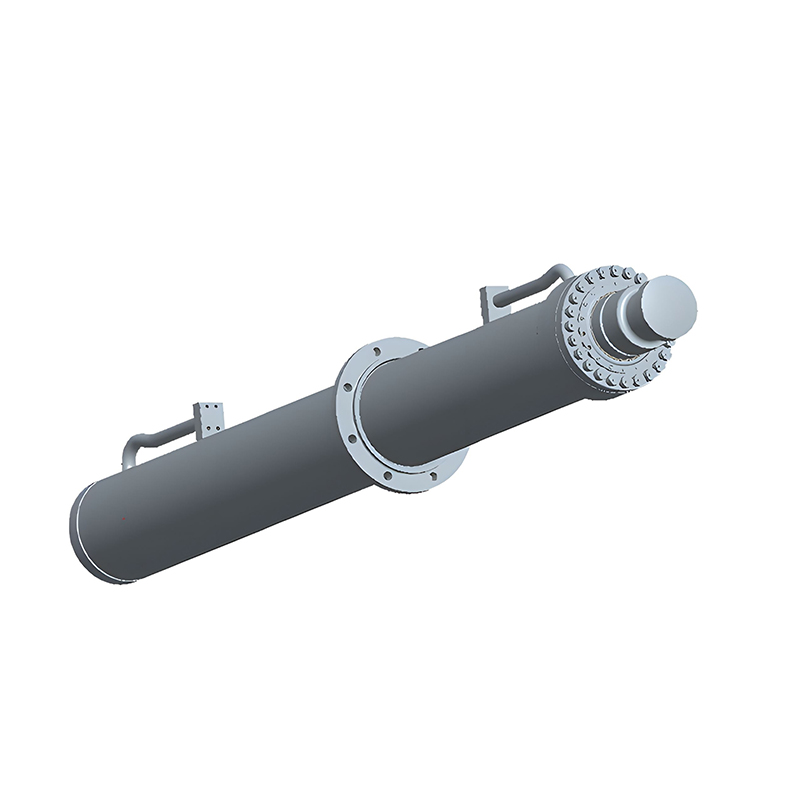
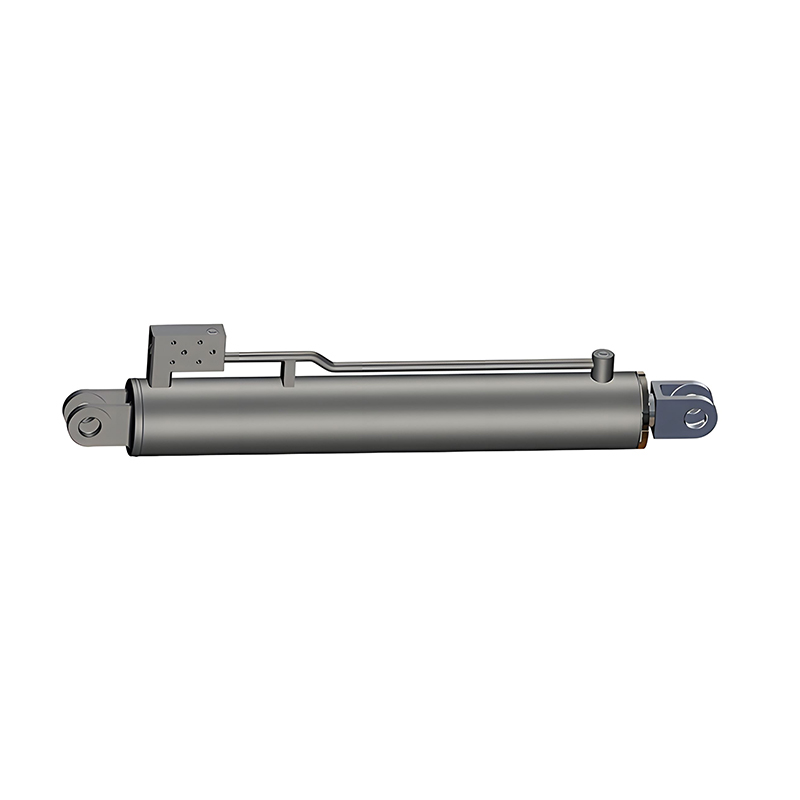
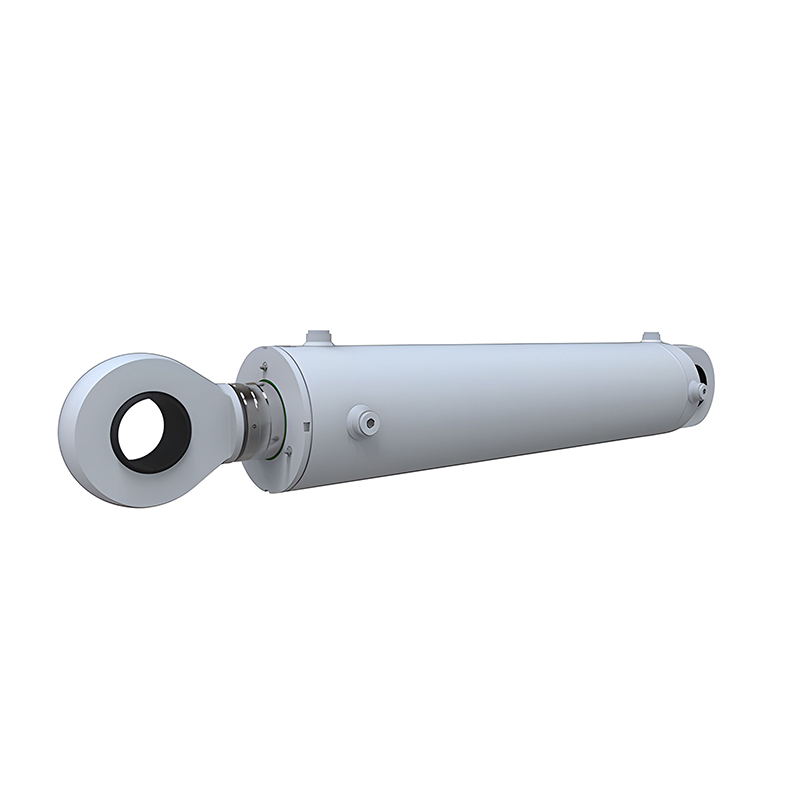
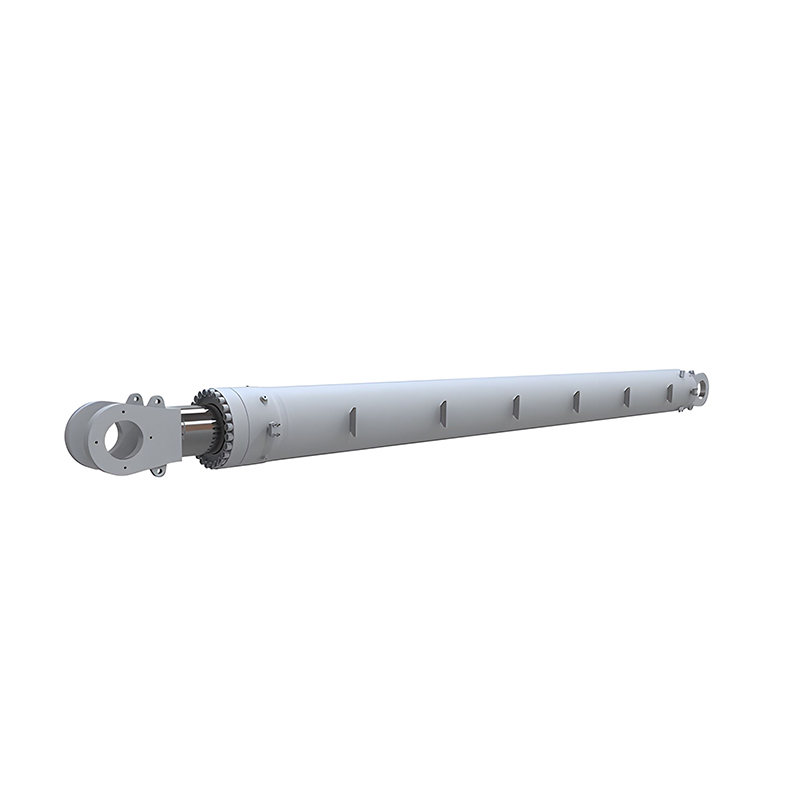
As China Engineering Machinery Hydraulic Cylinders Manufacturers and Engineering Machinery Cylinder Suppliers, our hydraulic cylinder products are widely used across various industries, including petroleum, chemical, marine, coal, metallurgy, engineering, construction, machine tools, agricultural machinery, and transportation, serving over 40 large and medium-sized main machine factories. Our products are also exported to the United States, Japan, Russia, and other countries and regions, accompanying the main machines, thus expanding our product's reach globally.
Adhering to the corporate spirit of "Advocate the persistence, endeavour for the winning," and the corporate philosophy of "Technological innovation and technology, people-oriented," we strive to provide reliable products and services in return for the trust of our valued customers.


Keep in Touch
News Center
Industry News
Customized Hydraulic Cylinders: What to Know Before You Order2026-05-13
Industry News
How to Know When a Hydraulic Cylinder Is Bad (Signs & Fixes)2026-05-06
Industry News
Sanitation Equipment Hydraulic Cylinders: Complete Guide2026-04-29
Industry News
What Is a Hydraulic Cylinder? Types, Parts & How It Works2026-04-22
Certificates


Product Industry knowledge
1. What is the Working Principle of Engineering Machinery Hydraulic Cylinders?
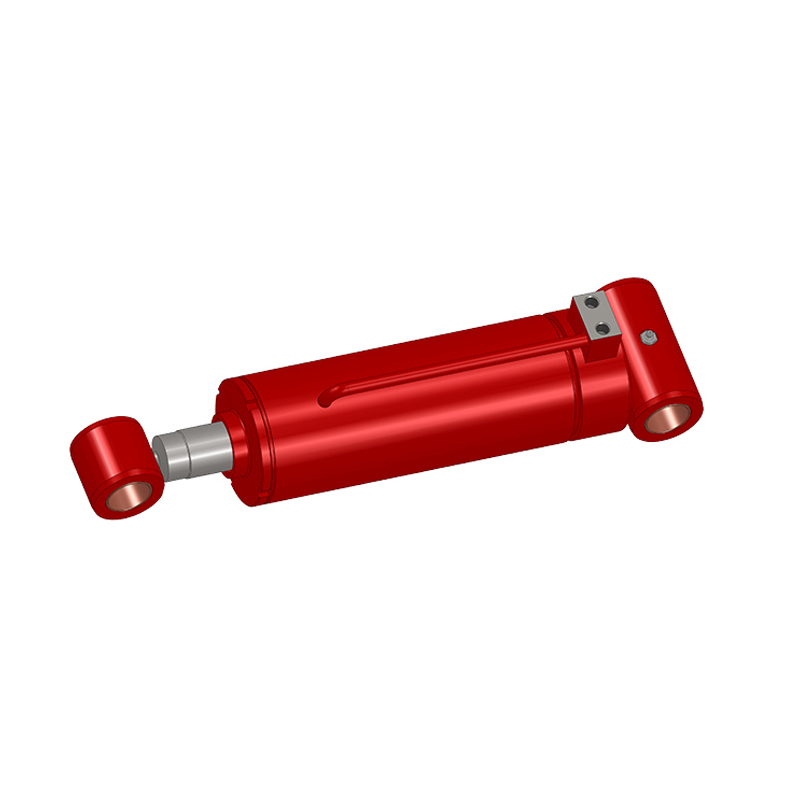
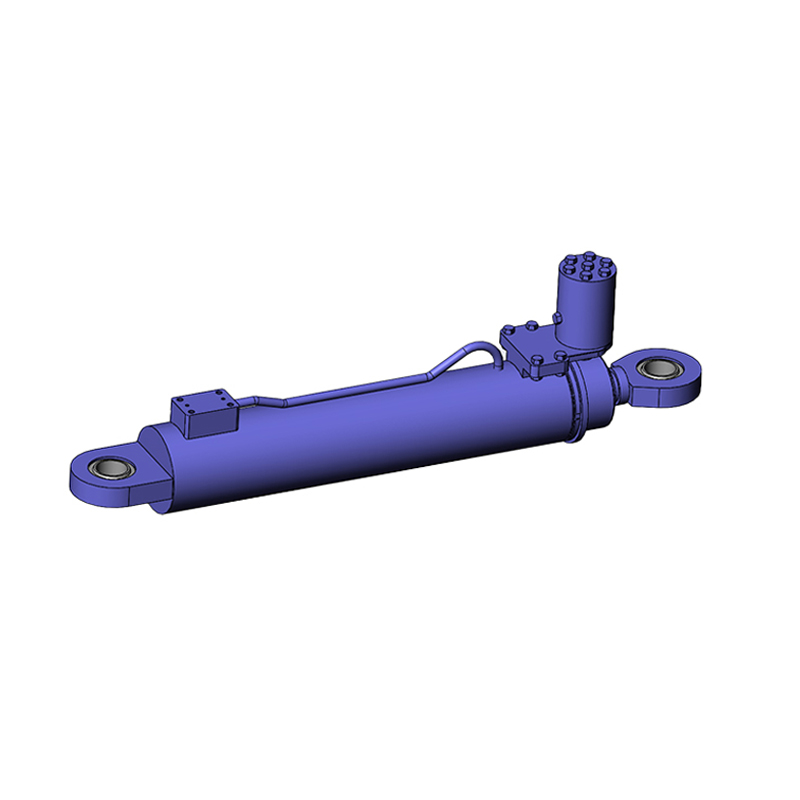
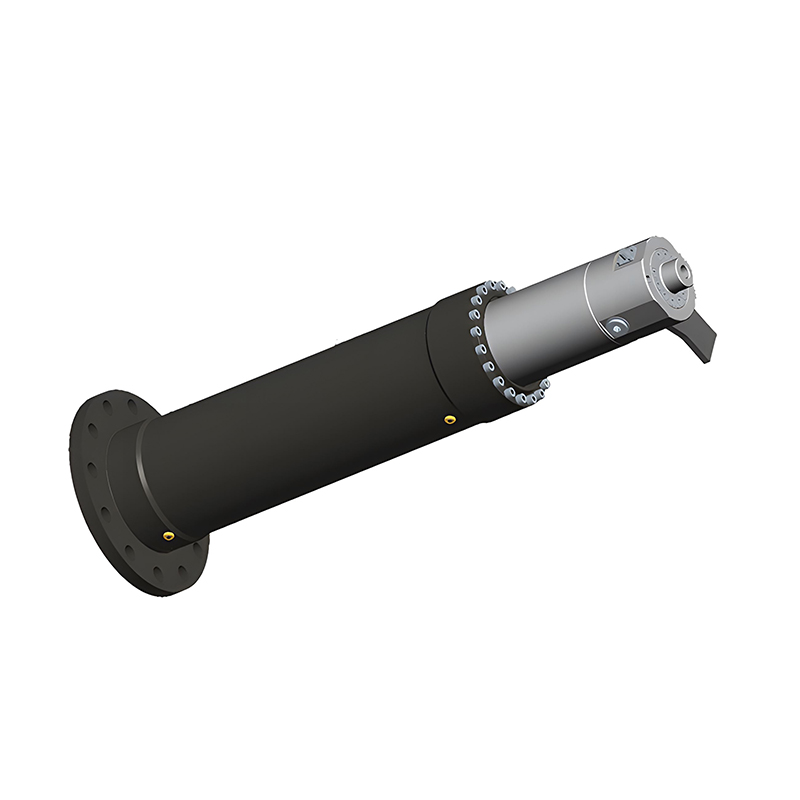
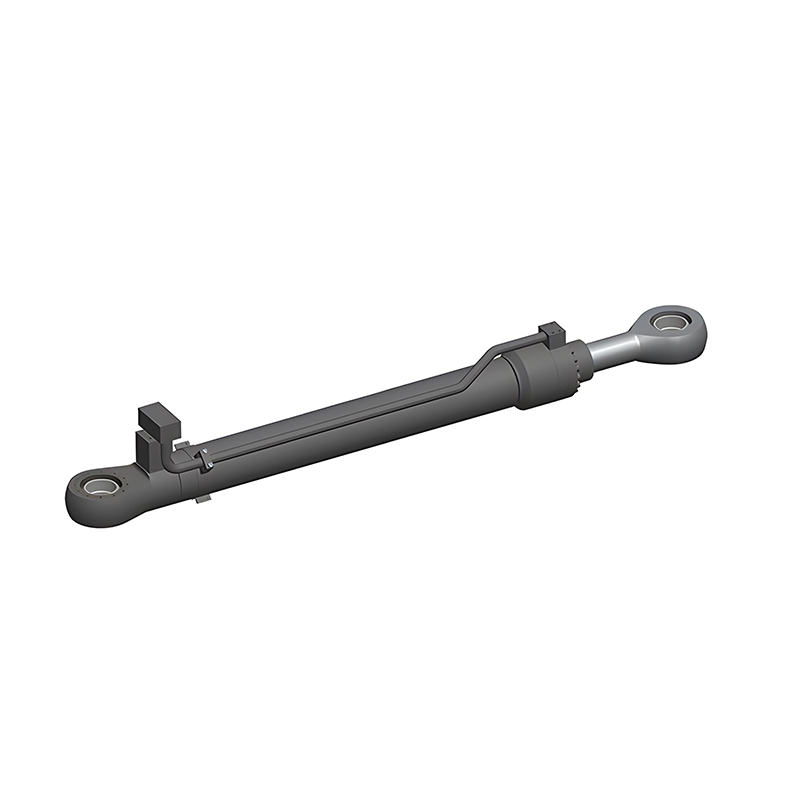
Engineering Machinery Hydraulic Cylinders are devices that generate linear force through fluid pressure; they are widely utilized in various types of mechanical equipment.
2. What are the common faults in Engineering Machinery Hydraulic Cylinders? How can these faults be resolved?
Engineering Machinery Hydraulic Cylinders are components frequently utilized in high-pressure, high-load operating environments; consequently, they are susceptible to various types of malfunctions.
Oil Leakage: Oil leakage is one of the most common issues encountered in Engineering Machinery Hydraulic Cylinders, typically caused by the following factors:
Solutions:
Piston Sticking/Seizing: If the piston within an Engineering Machinery Hydraulic Cylinder fails to move smoothly, it may be due to the following reasons:
Solutions:
Unsteady Operation of Hydraulic Cylinders: Unsteady operation of Engineering Machinery Hydraulic Cylinders may be attributed to the following causes:
Solutions:
Overheating: Excessively high hydraulic fluid temperatures can lead to a decrease in fluid viscosity, thereby compromising the efficiency of the hydraulic system and potentially causing damage to the hydraulic cylinders used in engineering machinery. The primary causes of overheating typically include:
Solutions:
3. What aspects require attention regarding the maintenance and upkeep of Engineering Machinery Hydraulic Cylinders?
Since its establishment in 1988, Jiangsu Hengcai Hydraulic Mechanical Co., Ltd. has focused on the R&D and manufacturing of hydraulic cylinders for engineering machinery. Our products are widely utilized across various industries, including petroleum, chemicals, shipbuilding, coal mining, metallurgy, and general engineering machinery. To ensure the long-term, efficient operation of these hydraulic cylinders and to prevent potential malfunctions, the following maintenance aspects are of particular importance:
Regular Inspection of Seals
The aging and wear of seals are among the primary causes of oil leakage in hydraulic cylinders for engineering machinery. Consequently, during the manufacturing process, Jiangsu Hengcai Hydraulic Mechanical Co., Ltd. strictly selects high-quality sealing materials and, through continuous technological innovation, enhances the wear resistance and anti-aging capabilities of its products. Regularly inspecting the condition of the seals—ensuring they are free from cracks, signs of aging, or excessive wear—can effectively extend the service life of the hydraulic cylinders.
Solutions:
Maintain Hydraulic Oil Cleanliness
The cleanliness of the hydraulic oil directly impacts the operational efficiency and service life of the hydraulic cylinders. Jiangsu Hengcai Hydraulic Mechanical Co., Ltd. employs precision filtration systems to ensure that the hydraulic fluid remains free from contamination during circulation, thereby minimizing the risk of system failure. The presence of particulate matter or impurities in the hydraulic oil can easily lead to piston sticking, seal damage, or unstable system pressure.
Solutions:
Check Hydraulic Oil Levels and Pressure
Both excessively low hydraulic oil levels and unstable system pressure can adversely affect the performance of the hydraulic cylinders. During the manufacturing process at Jiangsu Hengcai Hydraulic Mechanical Co., Ltd., Engineering Machinery Hydraulic Cylinders are designed with careful consideration given to efficient fluid flow paths and sealing integrity. Regularly checking the operating pressure of the hydraulic system—and ensuring that the fluid level remains within the appropriate range—helps prevent system instability caused by excessively low or high pressure within the hydraulic cylinders.
Solutions:
Avoid Overloading
Engineering Machinery Hydraulic Cylinders have a finite rated operating capacity; overloading them not only leads to equipment failure but can also significantly shorten the service life of the cylinders. Jiangsu Hengcai Hydraulic Mechanical Co., Ltd. designs its hydraulic cylinders with customized load capacities tailored to specific application scenarios. Therefore, in practical operation, avoiding overload conditions is crucial for ensuring the long-term durability of the hydraulic cylinders.
Solutions:
4. How does material selection relate to the durability of Engineering Machinery Hydraulic Cylinders?
The durability of Engineering Machinery Hydraulic Cylinders is closely linked to the materials used in their construction. Jiangsu Hengcai Hydraulic Mechanical Co., Ltd. adheres to rigorous standards when selecting materials for its hydraulic cylinders, optimizing material choices based on the specific application environment. The selection of materials directly impacts critical properties—such as compressive strength, wear resistance, and corrosion resistance—which, in turn, determine the operational lifespan of the hydraulic cylinders.
Cylinder Barrel Materials
The cylinder barrel of an engineering hydraulic cylinder must withstand immense operating pressures; therefore, the selection of high-strength materials is imperative. Jiangsu Hengcai Hydraulic Mechanical Co., Ltd. utilizes high-strength steel to ensure the barrel possesses sufficient structural integrity to perform reliably in high-pressure operating environments. Furthermore, for applications situated in highly corrosive environments, the company employs stainless steel materials to effectively enhance the durability of the hydraulic cylinders under extreme conditions.
Rationale for Selection:
Piston Rod Materials
The piston rod of an engineering hydraulic cylinder requires exceptional tensile strength, wear resistance, and corrosion resistance. To meet these requirements, Jiangsu Hengcai Hydraulic Mechanical Co., Ltd. selects alloy steel combined with a hard chrome plating treatment process. While the alloy steel base material ensures high structural strength, the hard chrome plating effectively enhances the piston rod's wear resistance and minimizes frictional damage.
Rationale for Selection:
Seal Materials
The selection of sealing components is critical to ensuring the sealing effectiveness of Engineering Machinery Hydraulic Cylinders. Jiangsu Hengcai Hydraulic Mechanical Co., Ltd. employs a diverse range of sealing materials—such as fluororubber and polyurethane—to accommodate varying operating environments and temperature requirements. Fluororubber is suitable for operating environments characterized by high temperatures and high pressures, whereas polyurethane offers superior abrasion resistance, making it ideal for use in hydraulic cylinders for engineering machinery that are subject to heavy loads.
Reasons for Selection:
Hydraulic Fluids and Lubricants
The quality of hydraulic fluids and lubricants is critical to the long-term operational performance of hydraulic cylinders in engineering machinery. During its manufacturing processes, Jiangsu Hengcai Hydraulic Mechanical Co., Ltd. advocates for the use of high-quality hydraulic fluids that comply with international standards. Furthermore, the company provides clients with compatible fluids and customized lubrication solutions to ensure that its hydraulic cylinders for engineering machinery maintain efficient operation over extended periods.
Reasons for Selection:

Copyright © Jiangsu Hengcai Hydraulic Mechanical Co., Ltd. All Rights Reserved.
 OEM/ODM Engineering Machinery Hydraulic Cylinders Manufacturers