English
 中文简体
中文简体 русский
 عربى
عربىOuick Product Search
Provide Hengcai OEM program, product name and other information. The content of this information is for reference only.
2026-04-29
Hydraulic cylinders are the core actuators that make modern sanitation equipment functional. They convert hydraulic fluid pressure into the linear mechanical force needed to lift, compress, tip, and eject waste — tasks that would be impossible to perform safely or efficiently with any other power transmission method at the scale sanitation operations demand. From the packer blade in a rear-loader garbage truck to the hopper lift on a street sweeper, virtually every load-bearing motion in sanitation machinery is driven by a hydraulic cylinder.
Choosing, maintaining, and replacing hydraulic cylinders correctly directly determines equipment uptime, worker safety, and operational cost. A single cylinder failure on a refuse collection vehicle can take the truck out of service for an entire shift, disrupting collection schedules and increasing overtime costs. This guide covers everything operators, fleet managers, and procurement teams need to know about hydraulic cylinders in sanitation equipment.
Sanitation equipment operates under uniquely demanding conditions: heavy and unpredictable loads, frequent full-stroke cycles, exposure to corrosive leachate and road chemicals, and continuous outdoor operation across extreme temperature ranges. Hydraulic cylinders are selected for these applications because they offer an unmatched combination of force density, controllability, and durability.
A typical rear-loading refuse compactor packer blade must exert 20,000 to 40,000 pounds of compaction force to achieve the 4:1 to 8:1 compaction ratios required to fill a truck body efficiently. A roll-off container hooklift system routinely handles containers weighing up to 25 tons. These force levels are achievable with compact hydraulic cylinders operating at system pressures of 2,500 to 3,500 PSI, but would require impossibly large pneumatic or electromechanical actuators.
Sanitation cylinders operate at cycle frequencies that far exceed most industrial applications. A residential rear-loader garbage truck completing a full route makes 400 to 800 packer cycles per shift. Over a 10-year vehicle service life, that translates to more than 1.5 million full extension-retraction cycles for the packer cylinder alone — a benchmark that drives the selection of heavy-duty seals, hardened rod surfaces, and premium cylinder tube materials.
Different functions within sanitation equipment require different cylinder configurations. Selecting the correct type for each application is critical to achieving the required force, stroke, and envelope within the physical constraints of the vehicle.
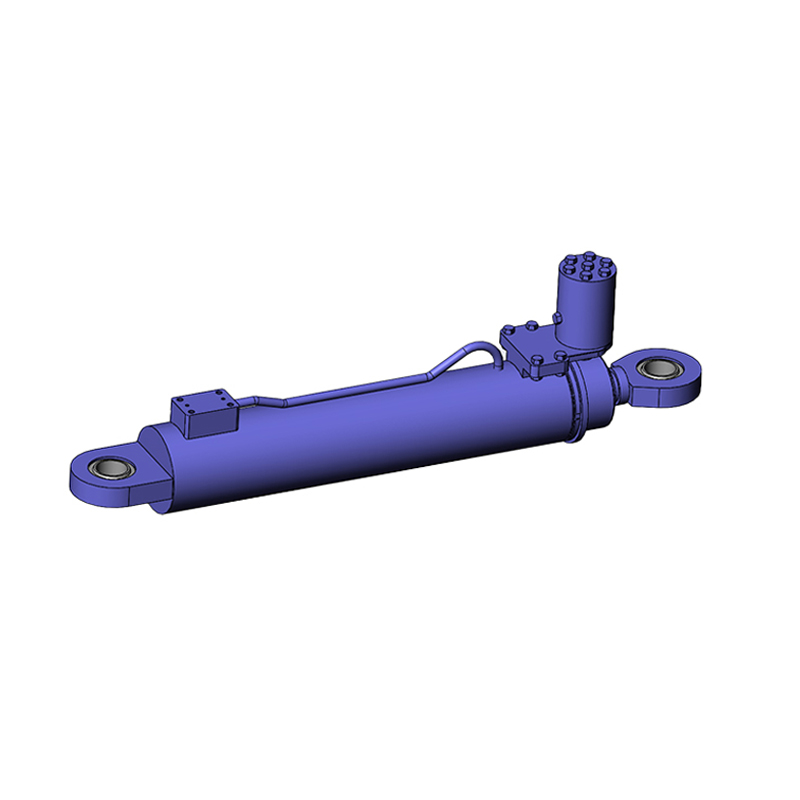
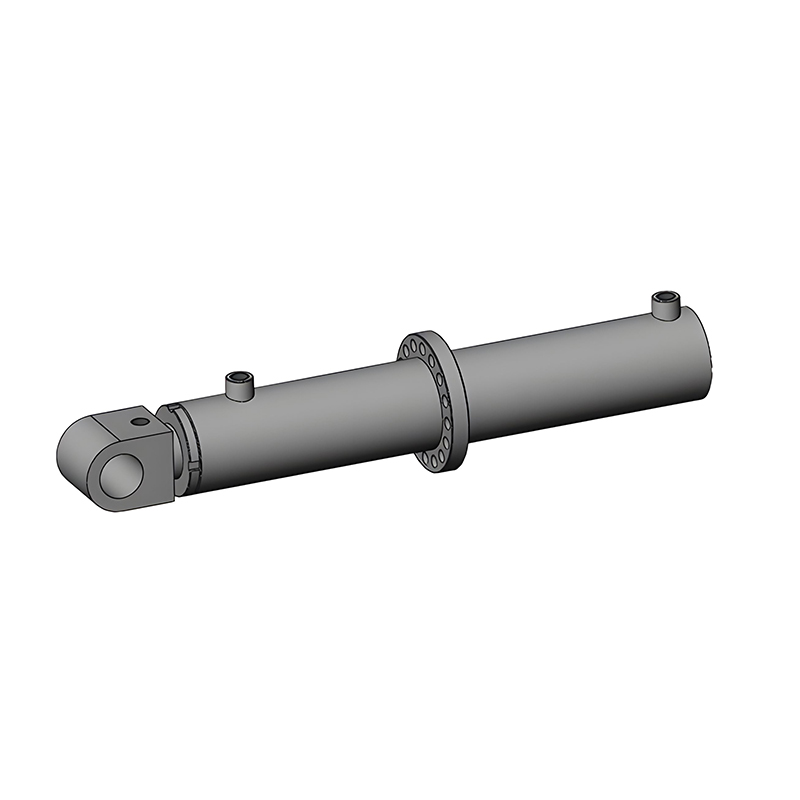
Double-acting cylinders use hydraulic pressure for both extension and retraction, providing positive force and speed control in both directions. They are the standard choice for packer blades, sweep arms, and container tipping mechanisms where controlled retraction under load is required. Most sanitation equipment packer cylinders are double-acting with bore sizes ranging from 3.5 to 6 inches and strokes from 18 to 36 inches.
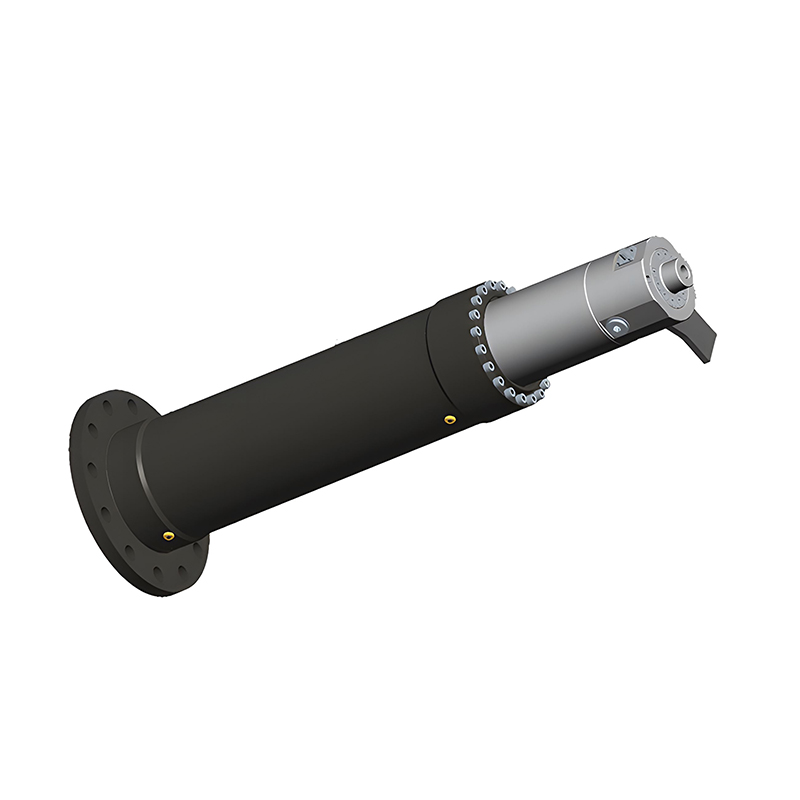
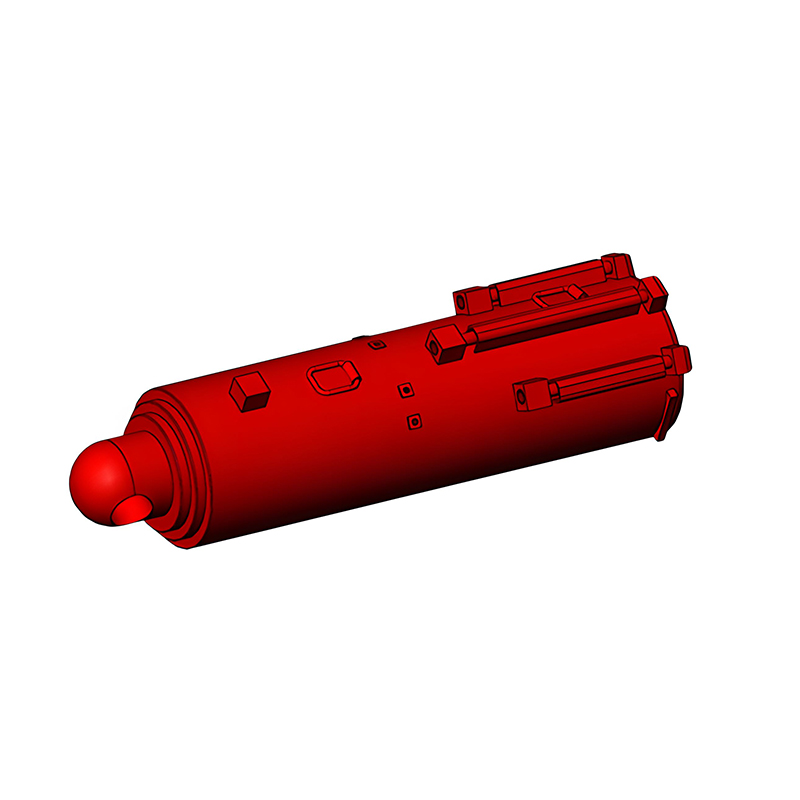
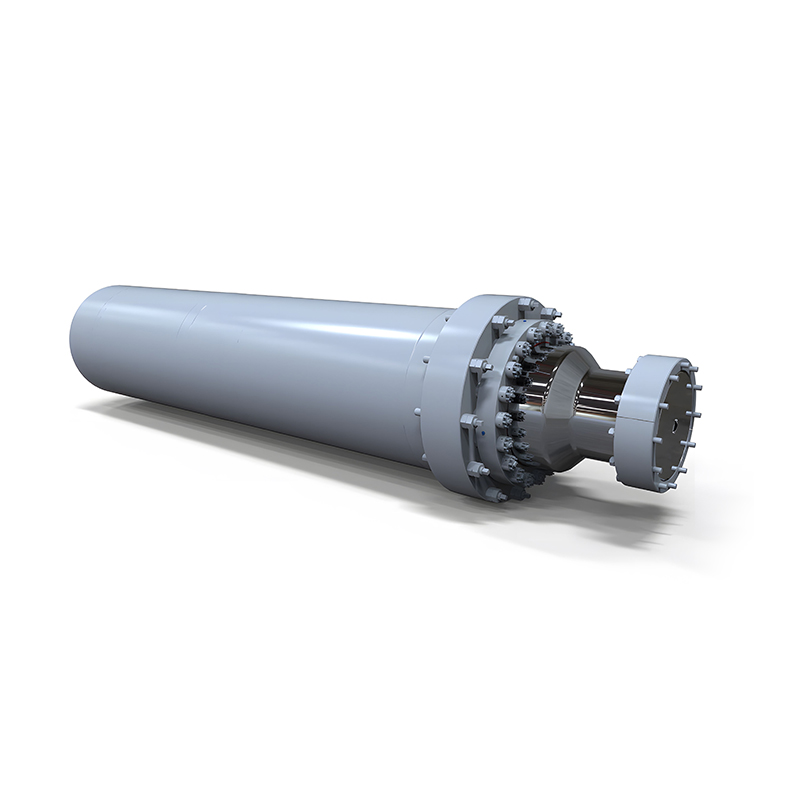
Telescopic cylinders extend through multiple nested stages, allowing a very long stroke from a compact collapsed length. They are the dominant cylinder type for refuse truck body hoists (tipping the body to eject waste) and hooklift arm systems. A two- or three-stage telescopic cylinder can achieve strokes of 100 to 180 inches while collapsing to a length of just 30 to 50 inches, fitting within the vehicle frame. Single-acting telescopic cylinders retract by gravity or load weight when pressure is released.
Where gravity retraction is unreliable — such as in side-loading automated arm systems or in equipment that must lower loads in a controlled manner — double-acting telescopic cylinders provide powered retraction through all stages. They are more complex and expensive than single-acting types but essential for automated single-arm loaders (ASL) that must return the arm to the grab position quickly without relying on load weight.
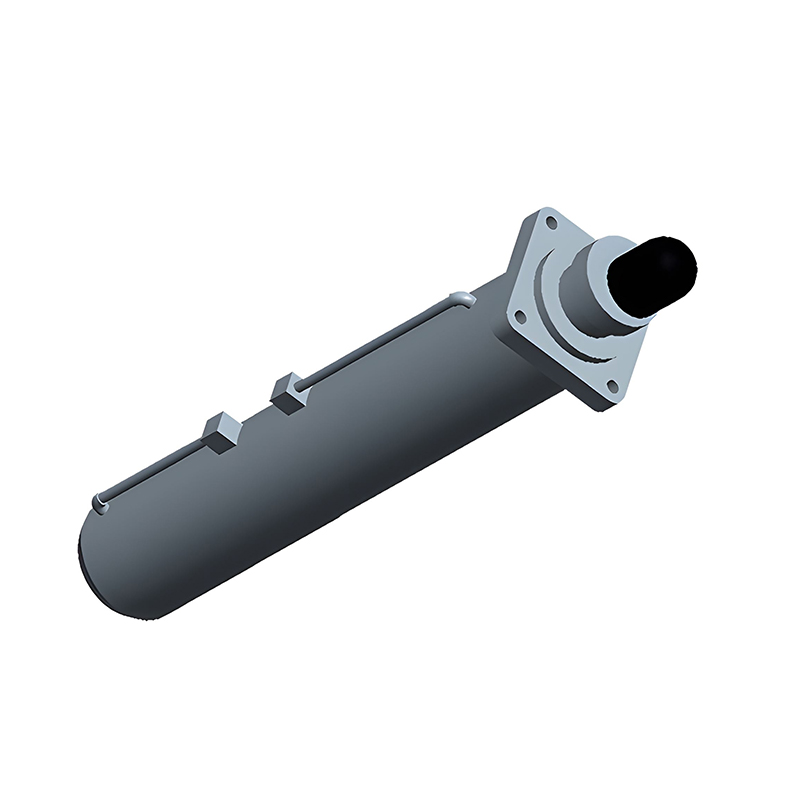
Sanitation equipment predominantly uses welded (mill-type) cylinders rather than tie-rod cylinders. Welded cylinders are more compact, lighter, and better suited to the contaminated, high-vibration environments of refuse vehicles. Tie-rod cylinders are occasionally used in street sweeper and catch basin cleaner applications where in-field seal replacement without cylinder removal is prioritized.
Each category of sanitation equipment uses hydraulic cylinders in distinct configurations, sized and specified for the unique mechanical demands of that machine.
| Equipment Type | Cylinder Function | Cylinder Type | Typical Operating Pressure |
|---|---|---|---|
| Rear-Loader Garbage Truck | Packer blade, body hoist, tailgate | Double-acting + telescopic | 2,500–3,000 PSI |
| Front-Loader Garbage Truck | Fork lift arms, container tipper, body hoist | Double-acting telescopic | 2,800–3,500 PSI |
| Side-Loader (Automated Arm) | Arm extension, grab open/close, body eject | Double-acting telescopic + standard | 2,500–3,200 PSI |
| Roll-Off Hooklift Truck | Main hoist arm, sub-frame tilt | Single-acting telescopic | 3,000–3,500 PSI |
| Street Sweeper | Hopper lift, brush height, water boom | Double-acting standard | 1,800–2,500 PSI |
| Sewer Jetter / Vacuum Truck | Hose reel, boom articulation, tank cover | Double-acting standard | 2,000–2,800 PSI |
| Catch Basin / Cesspool Cleaner | Boom extend/retract, suction tube positioning | Double-acting standard | 2,200–3,000 PSI |
The packer cylinder in a rear-loading refuse truck is arguably the most cycle-intensive hydraulic cylinder in any mobile application. Operating at system pressures up to 3,000 PSI with bore diameters of 4 to 5.5 inches, the packer cylinder drives the sweep panel and packer blade through a continuous loading cycle. Premium packer cylinders feature hard chrome or HVOF-coated rods with surface hardness exceeding 70 HRC to resist the abrasive and corrosive environment of the packer compartment.
Automated single-arm (ASL) and dual-arm side-loaders use multiple cylinders working in coordinated sequence to extend the arm, open the grabber, lift the cart, invert it over the hopper, and return — all within 8 to 12 seconds per pickup. The grab cylinder alone opens and closes thousands of times per shift, demanding cylinders with exceptional seal durability and cushioning at end-of-stroke to prevent metal-to-metal impact damage.
Procurement decisions based on price alone consistently result in premature failures and higher total cost of ownership. The correct cylinder specification is the one that matches the full mechanical, environmental, and duty cycle demands of the specific application — not simply the one with the lowest unit cost.
Bore diameter determines the cylinder's push force (extension force), calculated as: Force = Pressure × Bore Area. A 4-inch bore cylinder at 2,500 PSI generates approximately 31,400 lbf of extension force. Rod diameter determines pull force (retraction force) and column strength — a larger rod diameter is essential for long-stroke cylinders subject to side loading or buckling risk. For sanitation packer cylinders, rod diameter to stroke ratios should generally not exceed 1:12 to prevent rod deflection.
Leachate from refuse — a mixture of decomposed organic matter, battery acid, cleaning chemicals, and road salt — is highly corrosive to unprotected steel. Standard hard chrome plating provides good wear resistance but is vulnerable to pitting corrosion from chloride exposure. High-Velocity Oxygen Fuel (HVOF) tungsten carbide coatings offer superior corrosion resistance compared to hard chrome and are increasingly specified for packer and lift arm cylinders in refuse applications. Stainless steel rods (316L grade) are used in the most aggressive environments.
Seal failures account for the majority of in-service cylinder failures in sanitation equipment. The correct seal material must be compatible with the hydraulic fluid used, the operating temperature range, and the specific contaminants present.
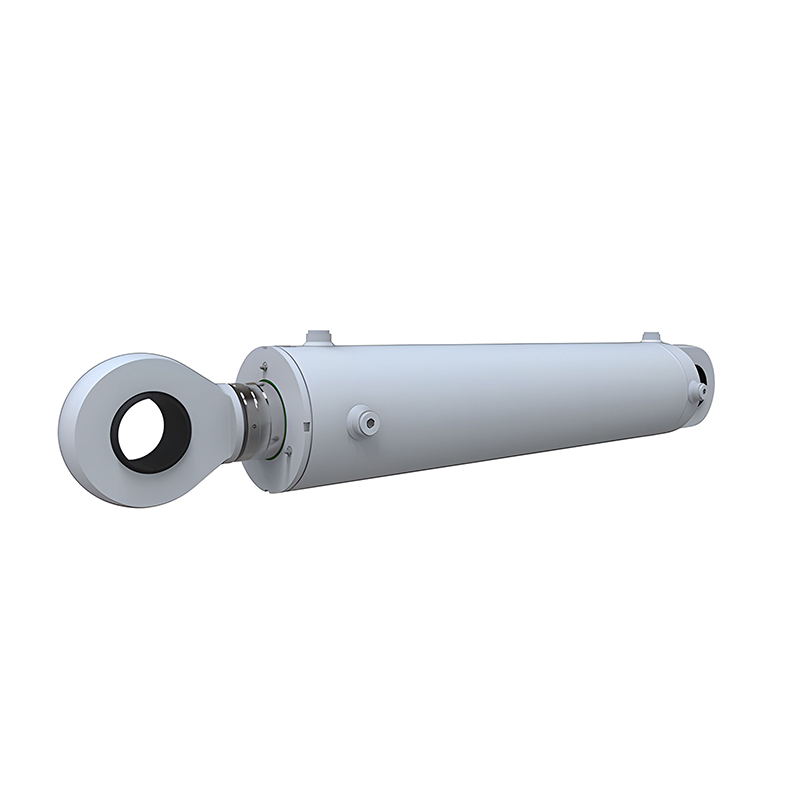
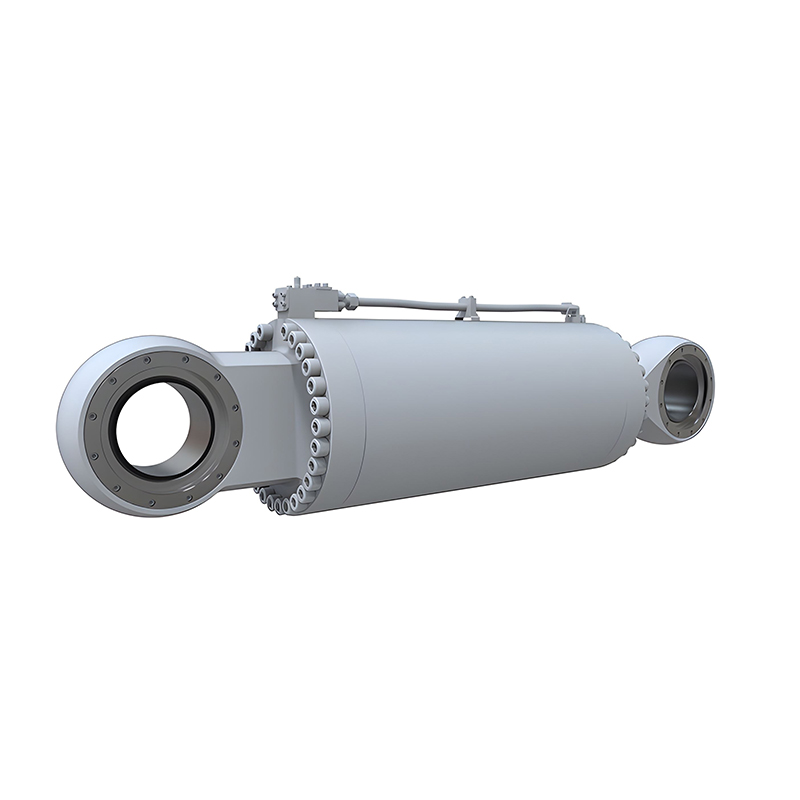
Sanitation cylinders are mounted in configurations that must accommodate angular deflection as loads shift during operation. Clevis mounts at both ends are the most common configuration in refuse truck packer and hoist applications, allowing the cylinder to pivot freely and preventing bending moments from being transferred to the rod. Trunnion mounts are used where mid-body pivoting is required in sweeper hopper and container handling systems.
Understanding why cylinders fail enables both better procurement decisions and earlier intervention before failures become complete breakdowns. The majority of premature cylinder failures in sanitation equipment are preventable through correct specification and routine inspection.
A structured preventive maintenance program for hydraulic cylinders on sanitation vehicles can extend service intervals by 40–60% and reduce unplanned downtime by more than 50% compared to reactive maintenance approaches. The following practices are applicable across all sanitation equipment types.
Cylinders parked with rods extended — such as hoists left raised during maintenance — are particularly vulnerable to corrosion on the exposed chrome surface. Always retract cylinders fully before long-term storage to protect the rod inside the barrel. When retraction is not possible, apply a corrosion-inhibiting grease or cylinder rod protector sleeve to exposed rod sections.
Not every cylinder failure requires full replacement. Seal rebuilds on cylinders with good tube and rod condition typically cost 20–40% of a new cylinder price and restore full performance when done correctly. However, cylinders with scored tubes, bent rods, or cracked welds should be replaced rather than rebuilt, as structural repairs rarely restore original fatigue life.
Hydraulic cylinders on sanitation equipment are safety-critical components. Failure of a body hoist cylinder, a tailgate lock cylinder, or an automated arm cylinder can result in severe injury to collection crew members or bystanders. Regulatory frameworks including OSHA 29 CFR 1910.217 and vehicle manufacturer service requirements mandate specific safety practices.

Copyright © Jiangsu Hengcai Hydraulic Mechanical Co., Ltd. All Rights Reserved.
 Custom Hydraulic Cylinders Manufacturers