English
 中文简体
 русский
 عربى
Ouick Product Search
Provide Hengcai OEM program, product name and other information. The content of this information is for reference only.
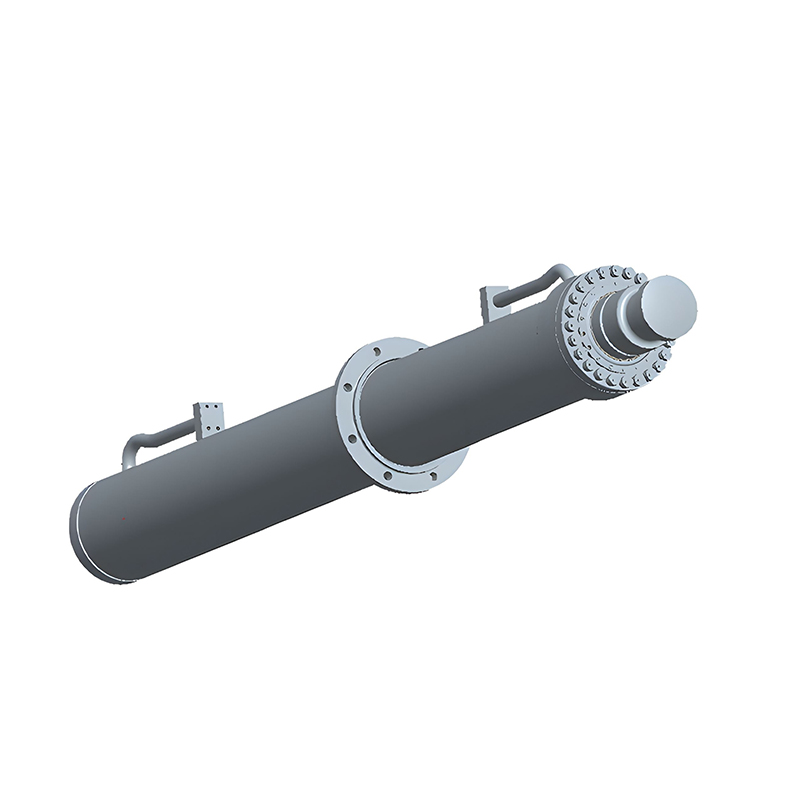
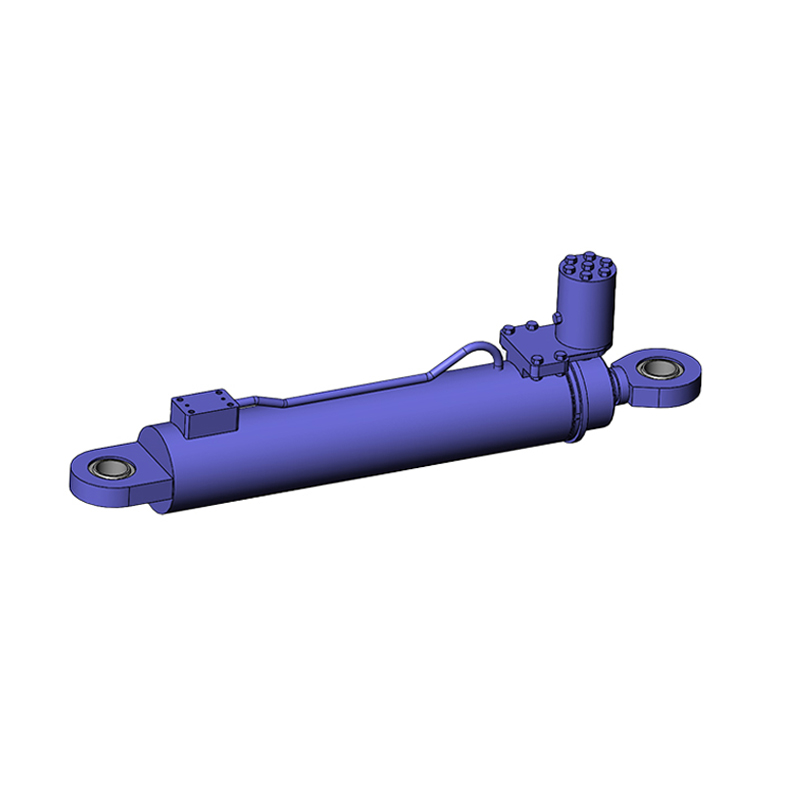
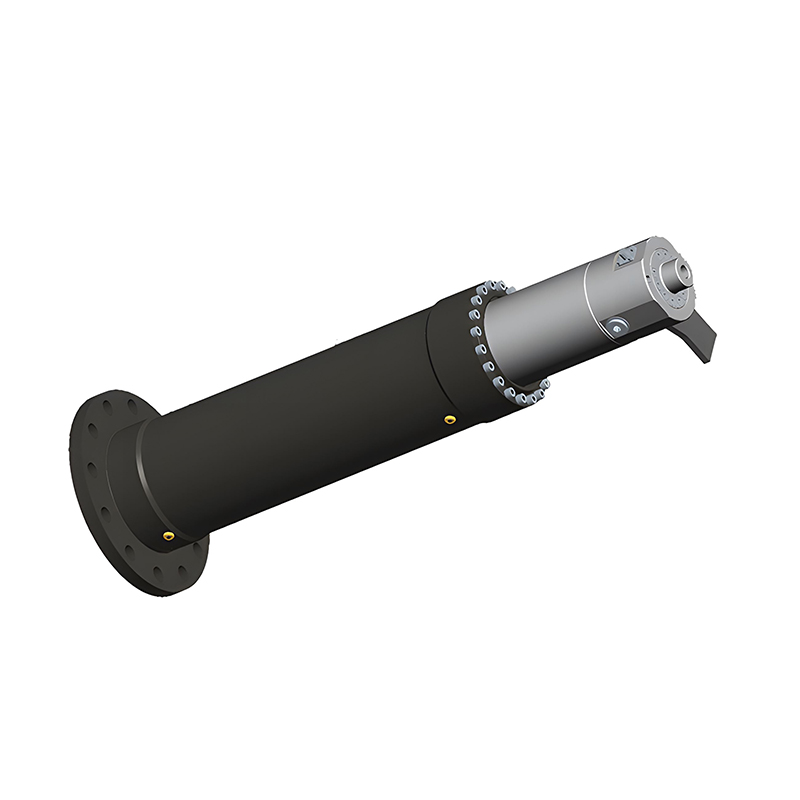
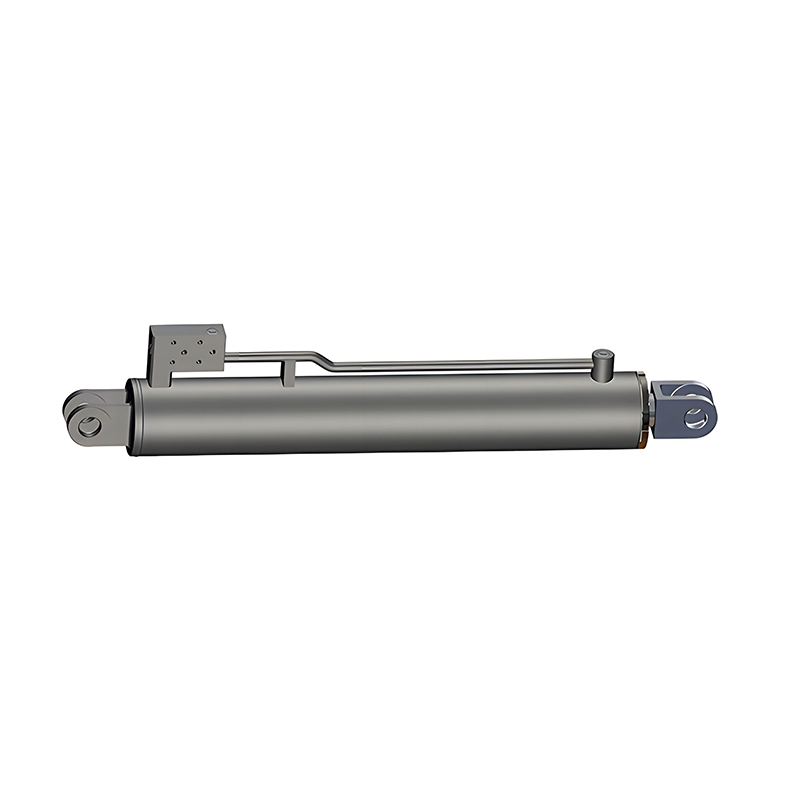
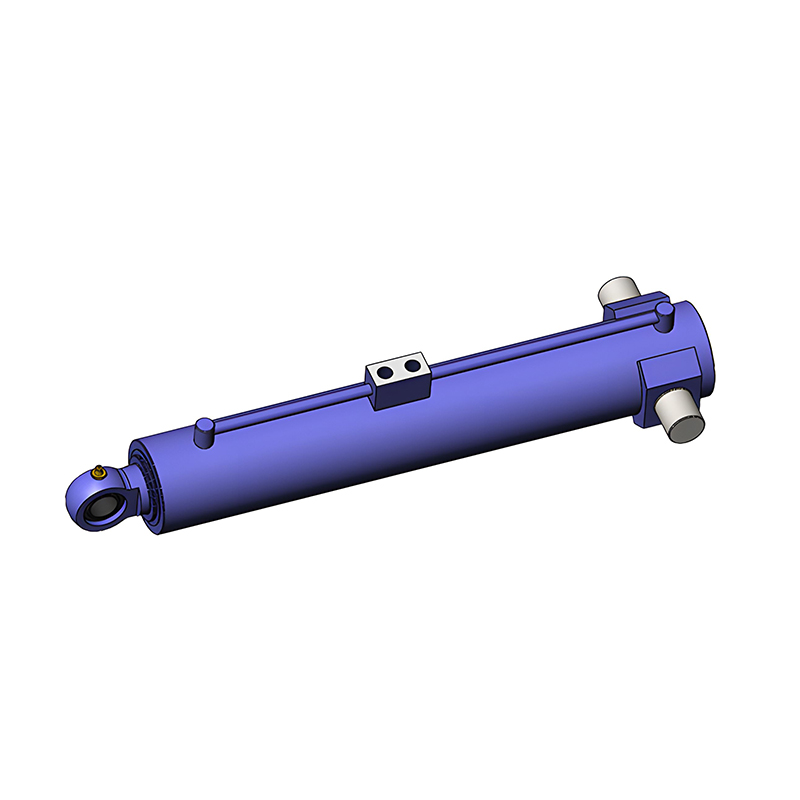
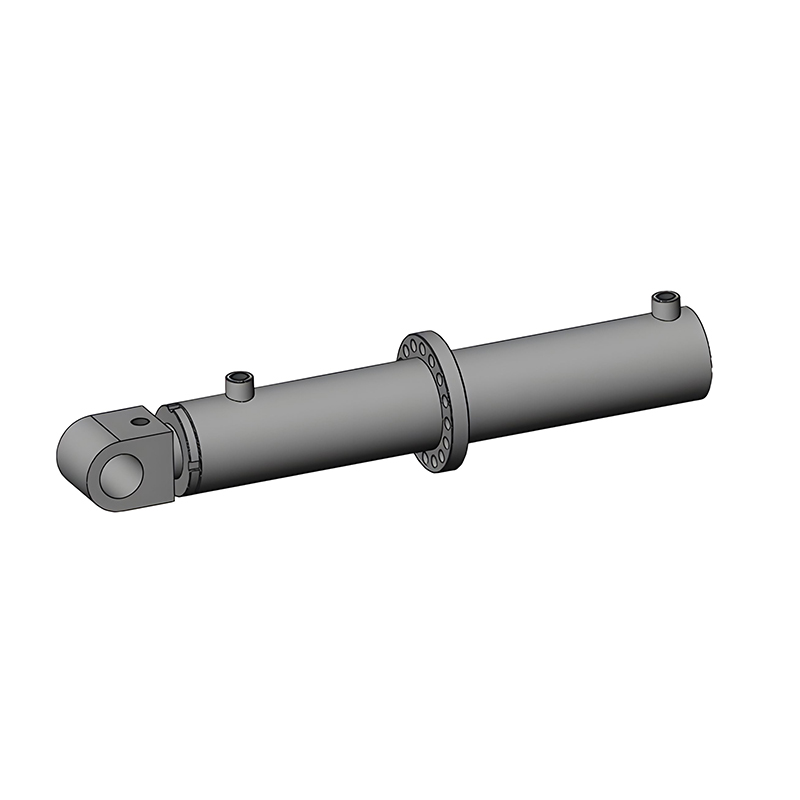
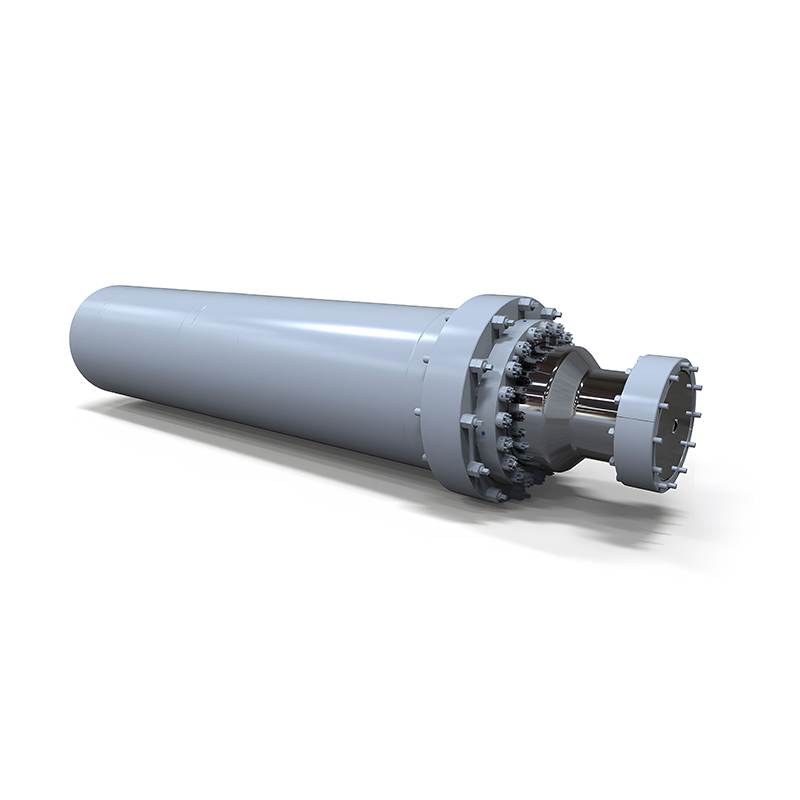
Sanitation Equipment Hydraulic Cylinders
Garbage compression stations are mainly used for centralized compression of domestic garbage, which requires the cylinder to have strong compression capacity and good anti-corrosion performance. Our company has rich experience in producing cylinders for garbage compression stations and is your trustworthy partner.
Overview
Advantages:
1. Designed by a professional oil cylinder technical team.
2. Piston rod salt spray is tested for over 120 hours.
3. Professional anti-corrosion treatment, durable.
Parameters
|
Item |
Value |
Unit |
Scope of application |
|
|
Bore diameter |
25 - 400 |
mm |
All types of garbage compression stations |
|
|
Rod diameter |
12 - 300 |
mm |
||
|
Stroke |
21 - 10000 |
mm |
||
|
Working pressure |
2.5 - 35 |
MPa |
||
|
Output force |
Push |
≤ 3000 |
KN |
|
|
Pull |
≤ 2400 |
KN |
||
|
Working temperature |
-40 - 100 |
℃ |
||


Keep in Touch
News Center
Industry News
How to Design a Cylinder: A Practical Guide to Hydraulic Cylinder Engineering2026-10-29
Industry News
how to dimension a cylinder: Applications, Selection Criteria, and Practical Guidance2026-10-27
Industry News
How to Measure a Hydraulic Cylinder for Seals: Bore, Rod, Stroke & More2026-10-22
Industry News
How to Find Seal Kit for Hydraulic Cylinder: A Practical Identification Guide2026-10-20
Industry News
How Dump Truck Hydraulics Work: PTO, Pump, Valve, and Hoist Cylinder Basics2026-10-14
Certificates


Garbage Compression Station Hydraulic Cylinder Industry knowledge
Jiangsu Hengcai Hydraulic Mechanical Co., Ltd. has manufactured hydraulic cylinders since 1988 at our plant in Jianhu County, Yancheng, Jiangsu, China. Sanitation equipment is one of our six cylinder families, and this range covers the compression, ejection, hopper-door and gate motions inside fixed municipal waste compression stations. Each unit is built to an approved drawing, so bore, stroke, mounting and surface protection follow the station design rather than a fixed catalogue pattern.
A fixed station runs several cylinders in sequence. The main compression cylinder drives the loaded waste against the chamber wall or a counter-pressure plate, the ejector cylinder pushes the finished block clear, and hopper doors, bin lifters and gate locks position material between those two main strokes. The duties differ sharply: compression is high force at low speed, while ejection is a long stroke that has to stay straight under its own weight.
Waste arrives wet, and leachate carries salts, organic acids and grit. Rod surface condition, wiper performance and coating integrity therefore decide service life as much as nominal force does, which is why we treat corrosion protection as a design input for sanitation cylinders rather than an after-treatment.
The table below is the envelope we build to for this product type. Values are confirmed against the approved drawing and the station's hydraulic power unit before production starts.
| Parameter | Range | What It Sets in the Station |
|---|---|---|
| Bore diameter | 25 – 400 mm | Push force available at the system pressure |
| Rod diameter | 12 – 300 mm | Buckling resistance on long ejector and gate strokes |
| Stroke | 21 – 10000 mm | Chamber depth, block length and door travel |
| Working pressure | 2.5 – 35 MPa | Duty level and required wall thickness of barrel and rod |
| Output force | Push ≤ 3000 kN, pull ≤ 2400 kN | Compaction ratio achievable on a full chamber |
| Working temperature | -40 – 100 °C | Seal and wiper compound selection, oil viscosity limits |
Where the working point is not yet fixed, we calculate from the compaction target, the chamber geometry and the available system pressure, and return a bore, rod and pressure combination for review before drawings are issued.
Piston rods for this range are salt-spray tested for more than 120 hours, and the surface system is chosen for continuous exposure to damp waste and leachate. Plating, spraying and heat treatment are carried out in our own plant, so the rod finish and coating that reach the assembly line are the ones that were verified in the lab.
In-house processing relevant to station cylinders
Because we build from the customer drawing, the mounting, port position and stroke-end cushioning follow the drawing we approve with you rather than a fixed catalogue pattern. Pin and eye dimensions, flange bolt circles, port threads and rod-end threads are all taken from that document, so the cylinder drops into the existing frame without adapters.
On the control side, the motion sequence is managed by the station PLC and valve block. Our scope is the cylinder and its fit to that circuit: we confirm port size and position, cushioning behaviour at stroke ends, bleed points and any position-feedback element the drawing calls for, so commissioning does not stall on interface mismatches.
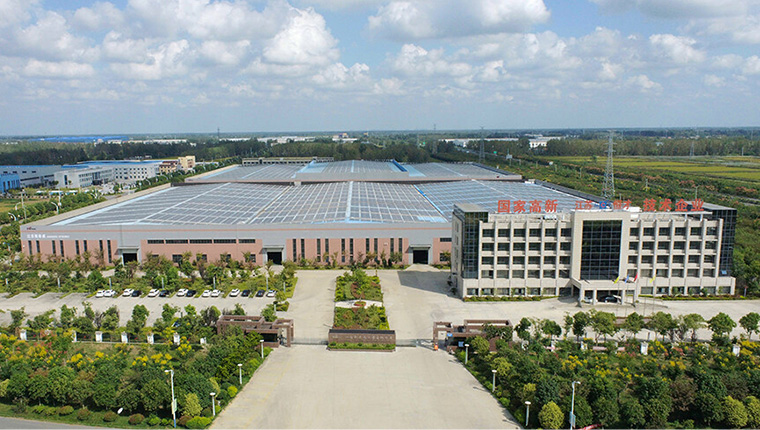
Our plant covers 130,000 square metres with more than 200 employees and produces over 80,000 hydraulic cylinders a year. The production route runs through 22 manufacturing processes and 109 processing capabilities, with a self-made parts rate of 70 percent; the core processes that govern stability — welding, heat treatment, plating and spraying — are kept inside the plant.
Verification uses a 2P-2F durability test bench and a reciprocating and buffer comprehensive performance test bench, supported by physical, chemical and metallographic laboratories for material composition, properties and dimensional accuracy. The company holds ISO9001, ISO14001 and CE certification, and we work through a PLM platform with SAP for design, BOM and production control.
Cylinders carry a one-year warranty against material and workmanship defects under normal use. If a problem is reported, we respond within 24 hours and aim to complete diagnosis or agree a detailed plan within 3–5 days; installation, commissioning and operator training support are available as part of after-sales service.
Most of the data below comes from the station drawing and the hydraulic schematic. Sending it with the enquiry shortens the drawing-approval stage because we do not have to assume parameters.
| Input | Why We Need It |
|---|---|
| Cylinder position and function in the station | Separates compression duty from ejection, door and lifter duty |
| Drawing or sample, plus mounting and pin dimensions | Fixes the physical interface and eliminates adapters on site |
| Required force, system pressure and relief setting | Defines bore, wall thickness and rod diameter |
| Stroke and extended length | Drives buckling check and guide support arrangement |
| Cycles per hour, shifts per day, ambient temperature | Sets seal compound, cushioning and surface protection level |
| Port standard, rod-end thread, feedback element | Matches the valve block, pipework and station control system |
| Quantity, destination and required documentation | Determines batch planning, packing and handover paperwork |
Sanitation Equipment Hydraulic Cylinders
The parent range covering station, transfer and collection-vehicle cylinders for the waste-handling sector.
Garbage Copmression Truck Hydraulic Cylinder
Mobile counterpart for rear-loader and compactor bodies, where weight, mounting envelope and load-sensing circuits differ from fixed stations.
Outrigger and boom cylinders for transfer and service vehicles working alongside station equipment.
Bore from 25 to 400 mm, rod from 12 to 300 mm, stroke from 21 to 10000 mm, working pressure from 2.5 to 35 MPa, push force up to 3000 kN and pull force up to 2400 kN, with a working temperature range of -40 to 100 °C. The exact combination is fixed on the approved drawing for your station.
Piston rods are salt-spray tested for over 120 hours. Plating, spraying and heat treatment run inside our plant, and the coating line is supported by adhesion, thickness, hardness and corrosion resistance testing, so the rod protection is verified before assembly.
Yes. Custom development from customer drawings or samples is our standard mode of working, and we also hold some standard cylinder products. As a Garbage Compression Station Hydraulic Cylinder manufacturer, we issue an approval drawing before production.
Cylinder function and position, drawing or sample, required force and system pressure, stroke and extended length, cycle duty, mounting and port details, quantity, destination and any documentation requirement. Where the working point is open, we calculate a proposal from the compaction target and chamber geometry.
Cylinders are tested on the 2P-2F durability bench and the reciprocating and buffer performance bench, while heat-treated parts pass hardness, tensile and metallographic checks. Physical, chemical and metallographic laboratories verify material composition and dimensional accuracy.
Cylinders carry a one-year warranty against material and workmanship defects under normal use. Reported issues receive a response within 24 hours, with diagnosis or an agreed action plan normally completed in 3–5 days, and replacement seals, wipers, guide rings, metal parts and pipe joints are available long term.

Copyright © Jiangsu Hengcai Hydraulic Mechanical Co., Ltd. All Rights Reserved.
 Wholesale Garbage Compression Station Hydraulic Cylinder Factory