English
 中文简体
中文简体 русский
 عربى
عربىOuick Product Search
Provide Hengcai OEM program, product name and other information. The content of this information is for reference only.
2026-05-13
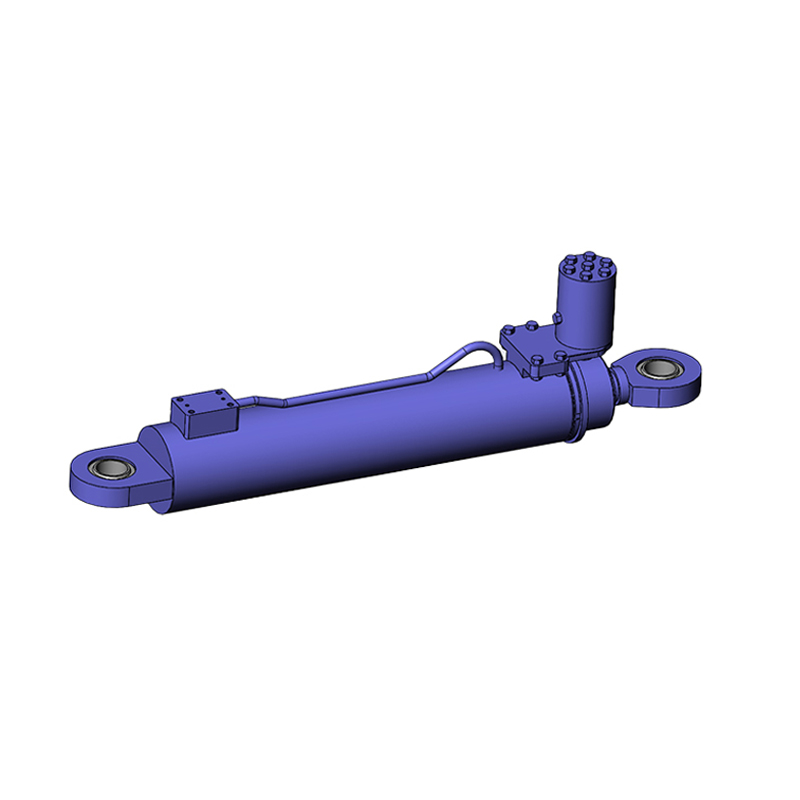
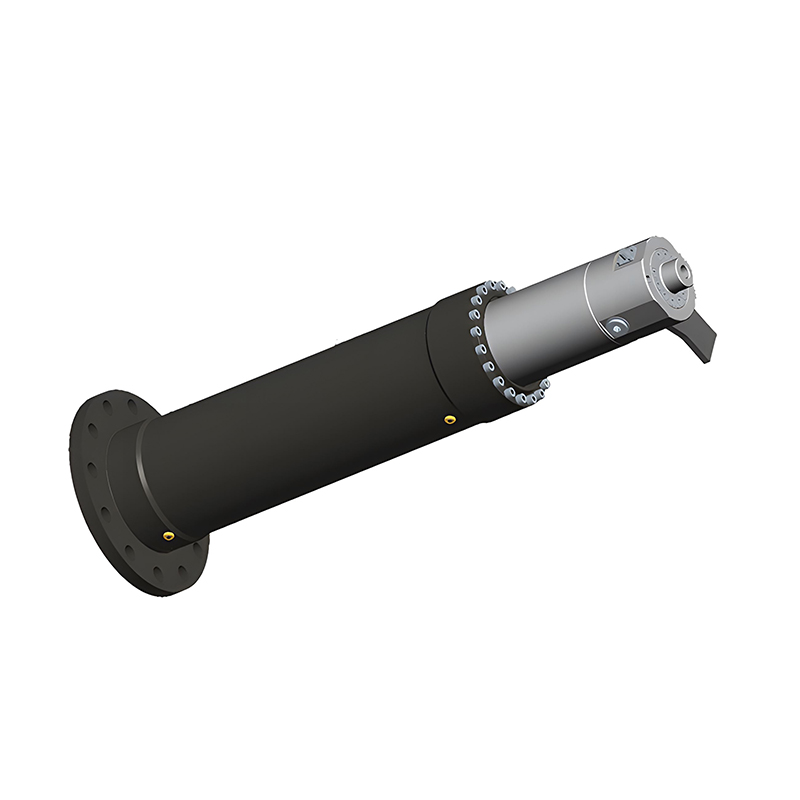
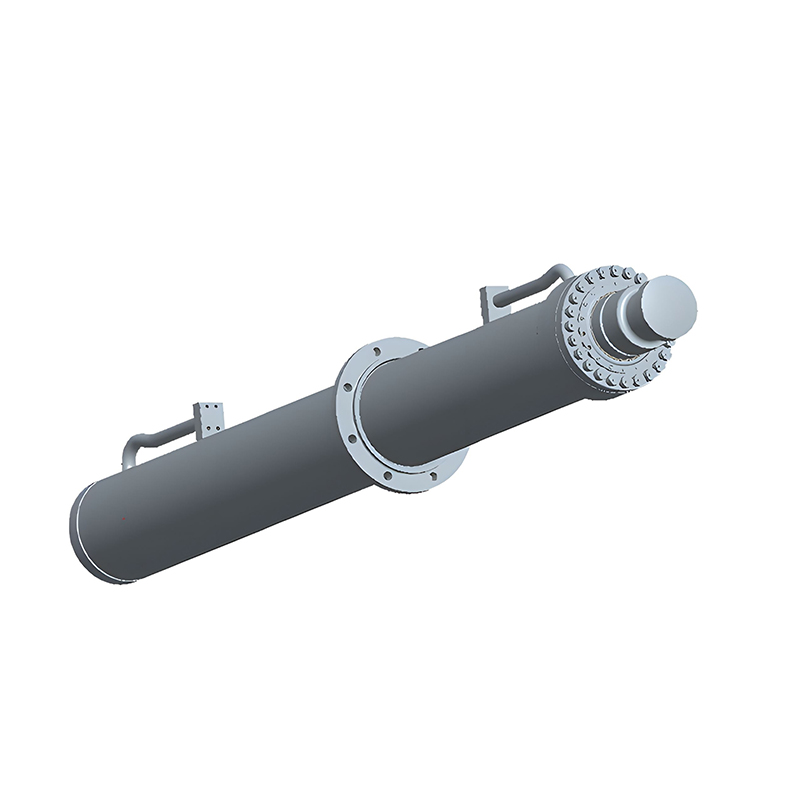
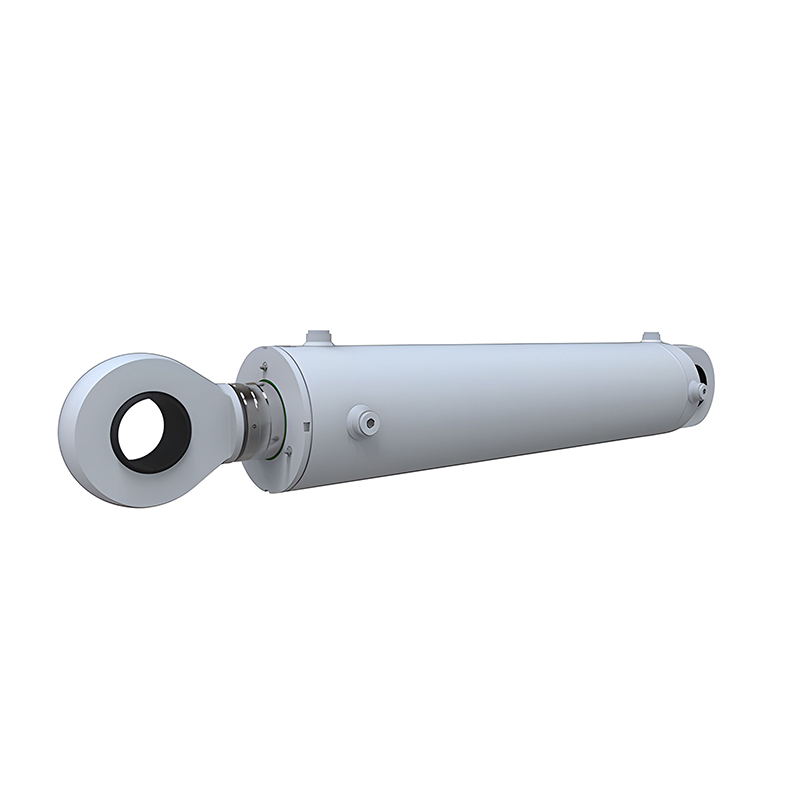
A customized hydraulic cylinder is an engineered actuator built to non-standard specifications — including bore diameter, stroke length, mounting style, operating pressure, and seal material — to meet requirements that off-the-shelf cylinders cannot satisfy. Standard catalog cylinders cover common sizes and configurations, but real-world industrial, agricultural, marine, and mobile equipment applications frequently involve spatial constraints, extreme loads, or environmental conditions that demand a purpose-built solution.
If your application involves any of the following, a customized hydraulic cylinder is almost certainly the correct choice rather than attempting to adapt a standard unit:
The global hydraulic cylinder market was valued at approximately $14.5 billion in 2023 and custom-engineered cylinders account for a significant and growing share, particularly in heavy construction, offshore, and specialized industrial machinery sectors.
Every customized hydraulic cylinder begins with a detailed specification sheet. Providing incomplete or incorrect parameters is the leading cause of project delays, cost overruns, and cylinder failures in the field. The following parameters must be defined before any manufacturer can produce a valid design proposal.
The bore diameter determines push force, and the rod diameter determines pull force and column strength (buckling resistance). A cylinder with a 100mm bore operating at 200 bar (2,900 PSI) produces approximately 157 kN (35,300 lbf) of push force. The rod diameter must be sized to prevent buckling at full extension — a critical calculation based on stroke length and applied load using Euler's column formula.
Stroke length is the total distance the rod travels from fully retracted to fully extended. This must be defined precisely — not approximately. Over-specifying stroke length wastes material and increases cost; under-specifying causes the cylinder to bottom out before completing the required machine movement. Always include 10–15mm of safety margin beyond the minimum required stroke.
Specify both the maximum continuous operating pressure and the proof test pressure. Industry standard requires proof testing at 1.5× the maximum rated working pressure, and burst pressure ratings typically exceed 4× working pressure for safety-critical applications. Clarify whether the cylinder must meet ISO 10100, ISO 6020, NFPA T3.6.7, or another applicable standard.
Mounting style affects how load is transferred and whether the cylinder can accommodate misalignment. Common configurations include clevis, flange, trunnion, foot mount, and spherical eye end. For applications involving angular movement or misalignment up to ±3°, spherical rod end bearings should be specified to prevent side-loading damage to the rod seal.
Seal selection is driven by the hydraulic fluid type and operating temperature. Nitrile (NBR) seals are the default for mineral oil systems operating between -30°C and 100°C. Polyurethane (PU) offers superior abrasion resistance. Viton (FKM) seals are required for phosphate-ester fluids, biodegradable fluids, and temperatures up to 200°C. PTFE seals are used in chemical processing applications with aggressive fluid compatibility requirements.
A full-service hydraulic cylinder manufacturer can customize virtually every component. The table below summarizes the most commonly modified elements and the typical options available:
| Component | Customization Options | Impact on Performance |
|---|---|---|
| Barrel / Tube | Cold-drawn steel, stainless steel, aluminum alloy | Pressure rating, corrosion resistance, weight |
| Piston Rod | Chrome-plated steel, stainless, ceramic-coated, induction-hardened | Corrosion resistance, surface hardness, seal life |
| Seals | NBR, PU, FKM, PTFE, EPDM | Fluid compatibility, temperature range, leakage control |
| End Caps | Welded, bolted, threaded; clevis, flange, foot, trunnion | Mounting flexibility, load path, disassembly |
| Port Configuration | BSP, NPT, SAE, custom location and size | System integration, flow rate, plumbing layout |
| Cushioning | Fixed or adjustable end cushions, both ends or one end | Shock absorption, deceleration control, noise reduction |
| Sensors / Feedback | Magnetostrictive linear position sensor, reed switches, LVDT | Position feedback, automation integration, closed-loop control |
| Surface Treatment | Hard chrome, electroless nickel, zinc-nickel, paint, anodize | Corrosion protection, wear life, aesthetics |
Beyond specifications, the mechanical design configuration of the cylinder itself must be matched to the application. Each type has distinct force characteristics, size implications, and installation requirements.
Hydraulic pressure acts in one direction only — typically extension. Retraction is achieved by gravity, a spring, or an external load. Single-acting cylinders are simpler, less expensive, and require only one hydraulic line, making them ideal for dump truck bodies, jacking systems, and press operations where gravity retraction is acceptable.
The most common configuration for industrial and mobile equipment. Hydraulic pressure drives both extension and retraction, providing controlled force in both directions. Double-acting cylinders require two hydraulic lines and provide full force control throughout the entire stroke cycle. They are the standard choice for excavator arms, injection molding machines, and steering systems.
Used when a very long stroke is needed but installation space is limited. Multiple nested stages extend sequentially, achieving strokes of 3,000–12,000mm or more from a compact retracted length. Telescoping cylinders are standard in tipper trucks, crane booms, and agricultural sprayers. Custom telescoping cylinders can be designed with two to six stages depending on required stroke-to-retracted-length ratio.
Two cylinders mounted in series on a common rod, effectively doubling the output force for the same bore diameter. This allows very high forces to be generated within a limited-diameter envelope — useful in aircraft ground support equipment and precision industrial presses where bore diameter is constrained.
Tie-rod cylinders use external rods to hold end caps in place and can be disassembled for field repair — preferred in applications where in-service maintenance is required. Welded body cylinders are more compact, lighter, and better suited for high-pressure mobile applications above 250 bar (3,625 PSI), but they require specialized equipment to rebuild. Most custom mobile equipment cylinders use welded construction.
Customized hydraulic cylinders serve virtually every sector of heavy industry. Understanding how they are used in practice helps clarify the level of customization typically required in each field.
Material choices affect the operating life, environmental suitability, and total cost of a customized hydraulic cylinder more than almost any other design decision. Here is a breakdown of the most critical component materials:
Cold-drawn seamless steel (typically ST52 or equivalent) is the standard barrel material, offering a yield strength of approximately 360 MPa and excellent machinability for precision honing of the bore surface. A bore surface roughness of Ra 0.2–0.4 µm is standard for optimal seal life. Stainless steel (316L or 304) barrels are specified for food processing, pharmaceutical, and marine environments where contamination or corrosion risk is high, at a material cost premium of 3–5×.
The rod is the highest-wear component in any hydraulic cylinder. Standard construction uses carbon steel ground and polished to Ra 0.2 µm or better, then hard chrome plated to a depth of 20–30 µm. Hard chrome provides a surface hardness of 850–1,000 HV, which is essential for long seal life. In applications where hexavalent chromium plating is restricted (increasingly common under REACH regulations in Europe), thermal spray coatings or electroless nickel are viable alternatives. Stainless steel rods (17-4PH) are used in the most demanding corrosion environments.
Pistons are typically machined from ductile iron, carbon steel, or aluminum depending on pressure and weight requirements. End caps in welded cylinders are manufactured from the same or compatible steel as the barrel to ensure weld integrity. Weld joints in high-pressure cylinders must be 100% penetration welds with non-destructive testing (NDT) verification — typically ultrasonic or radiographic inspection — for safety-critical applications.
Understanding the typical workflow from inquiry to delivery helps set realistic expectations and ensures smooth project execution.
Lead times for customized hydraulic cylinders typically range from 3 to 12 weeks depending on complexity, quantity, and manufacturer capacity. Expedited production is available from many suppliers at a premium, reducing lead time to 2–4 weeks for simpler designs.
Custom hydraulic cylinder pricing varies enormously based on design complexity, materials, quantity, and required certifications. Understanding what drives cost helps buyers make better procurement decisions.
As a general reference, a mid-range custom double-acting cylinder with a 100mm bore, 500mm stroke, 250-bar rating, and chrome-plated rod typically costs $400–$900 USD in single-unit quantity and $200–$450 in production volumes of 50 or more units from a reputable manufacturer.
Errors in the specification phase are far more costly to correct than errors discovered during design review. The following are the most frequently encountered mistakes when ordering customized hydraulic cylinders:
Not all manufacturers have the capabilities, quality systems, or engineering depth to produce reliable customized hydraulic cylinders for demanding applications. Use the following criteria to evaluate potential suppliers:
The best customized hydraulic cylinder manufacturer is not necessarily the lowest-cost supplier — it is the one whose engineering capability, quality systems, and production processes are best matched to the complexity and criticality of your specific application.

Copyright © Jiangsu Hengcai Hydraulic Mechanical Co., Ltd. All Rights Reserved.
 Custom Hydraulic Cylinders Manufacturers