English
 中文简体
 русский
 عربى
Ouick Product Search
Provide Hengcai OEM program, product name and other information. The content of this information is for reference only.
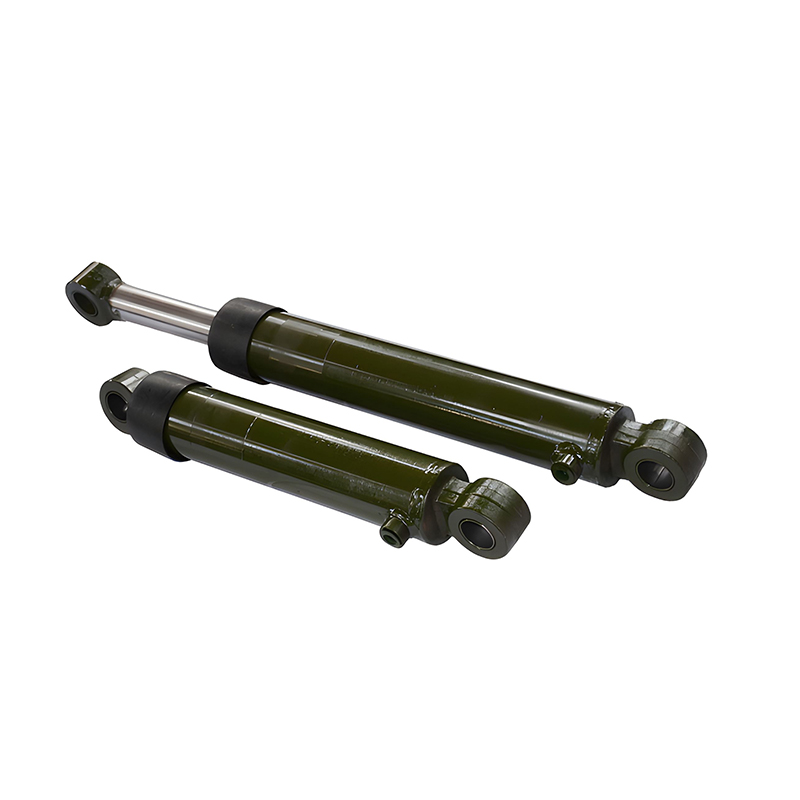
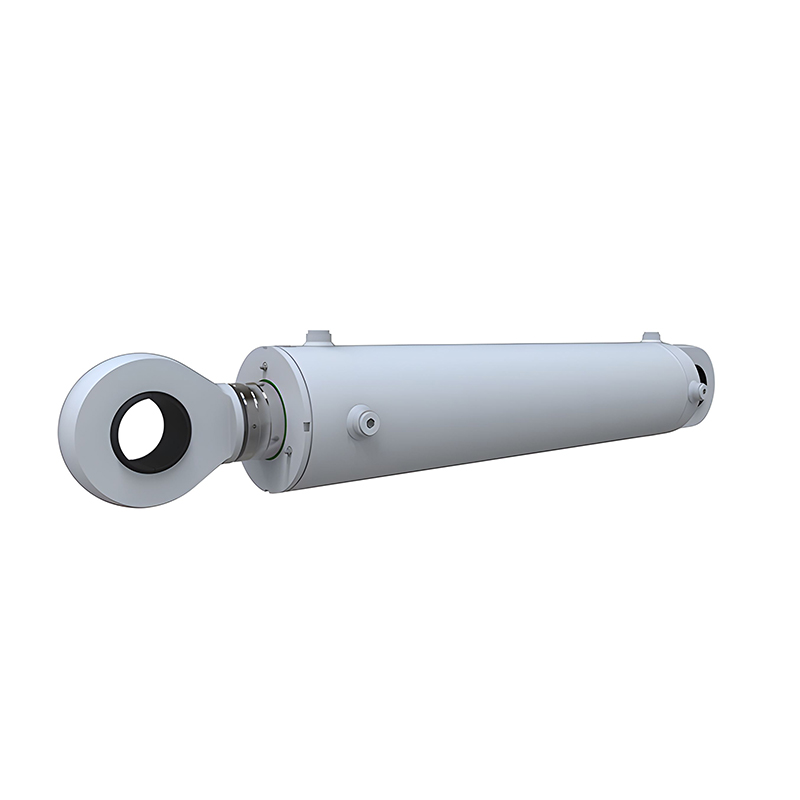
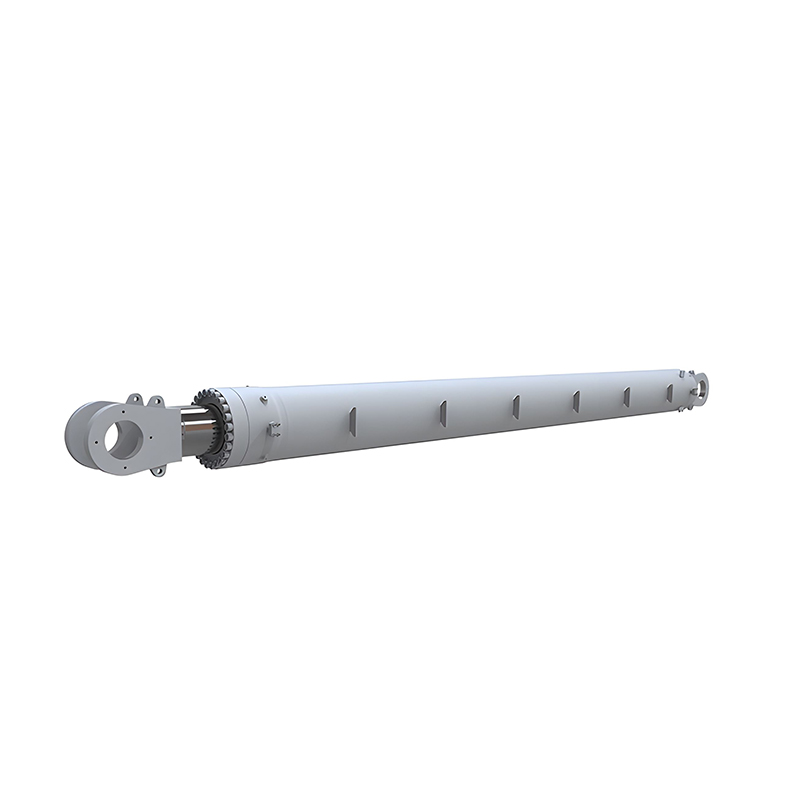
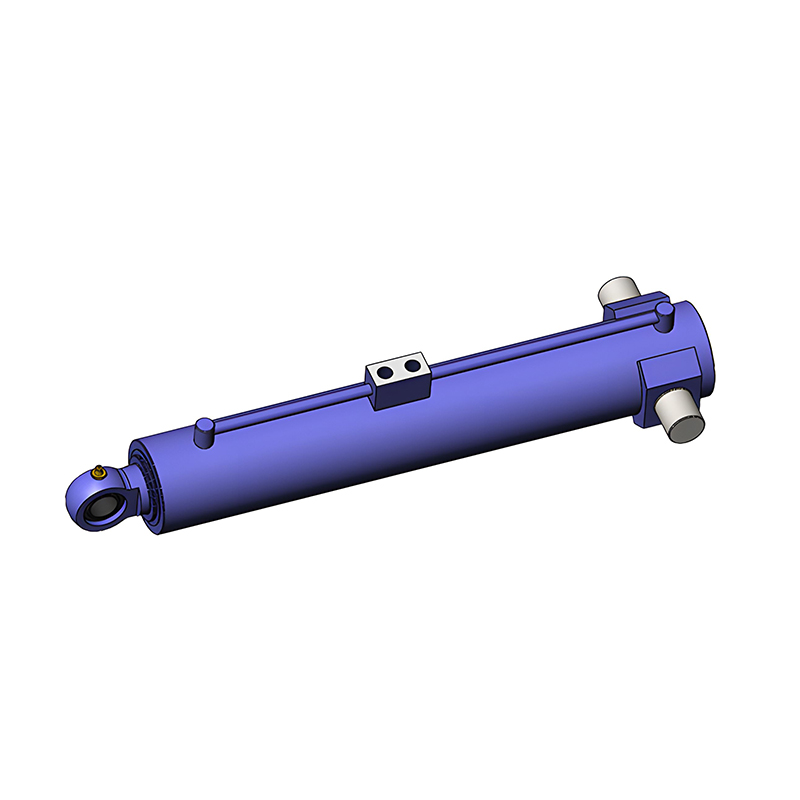
Logistics Equipment Hydraulic Cylinders
Applied to various logistics vehicles
Logistics equipment is one of the main working tools of modern enterprises, and the basis of rational organization of batch production and mechanized flow operation. With the development and progress of logistics, logistics equipment has been continuously improved and developed. Many new equipment are emerging, which greatly reduces people's labor intensity, improves logistics operation efficiency and service quality, reduces logistics cost, and plays an important role in logistics operation.
Overview
Logistics equipment is one of the main working tools of modern enterprises, and the basis of rational organization of batch production and mechanized flow operation.
With the development and progress of logistics, logistics equipment has been continuously improved and developed. Many new equipment are emerging, which greatly reduces people's labor intensity, improves logistics operation efficiency and service quality, reduces logistics cost, and plays an important role in logistics operation.
As the main component of logistics equipment, hydraulic cylinders play an important role in the normal operation of logistics equipment.
Parameters
|
Items |
Value |
Unit |
Scope of application |
|
|
Bore diameter |
50-90 |
mm |
Different types of vehicle tailboard |
|
|
Rod diameter |
20-70 |
mm |
||
|
Stroke |
20-1300 |
mm |
||
|
Working pressure |
5-25 |
MPa |
||
|
Output force |
Push |
10-180 |
KN |
|
|
Pull |
8-70 |
KN |
||
|
Working temperature |
-15-80 |
℃ |
||


Keep in Touch
News Center
Industry News
How to Measure a Hydraulic Cylinder for Seals: Bore, Rod, Stroke & More2026-10-22
Industry News
How to Find Seal Kit for Hydraulic Cylinder: A Practical Identification Guide2026-10-20
Industry News
How Dump Truck Hydraulics Work: PTO, Pump, Valve, and Hoist Cylinder Basics2026-10-14
Industry News
How a Hydraulic Log Splitter Works: The Cylinder Converts Pressure to Force2026-10-07
Industry News
how are hydraulic cylinders made: Applications, Selection Criteria, and Practical Guidance2026-09-30
Certificates


Vehicle Tailboard Hydraulic Cylinder Industry knowledge
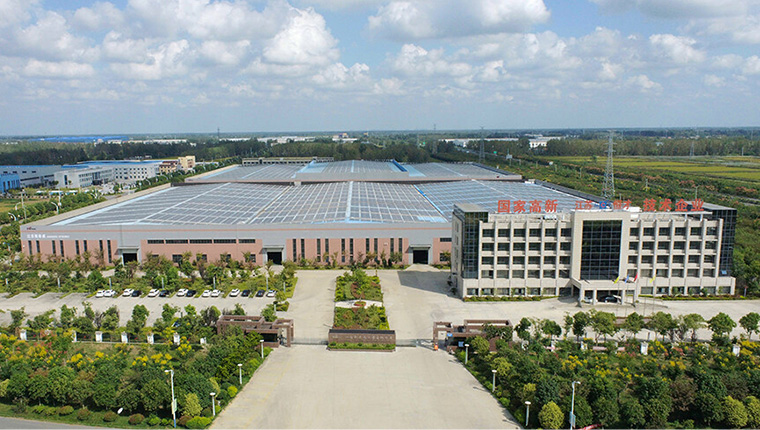
Jiangsu Hengcai Hydraulic Mechanical Co., Ltd. is a Vehicle Tailboard Hydraulic Cylinder manufacturer and direct supplier for truck and trailer tail lifts. Our hydraulic cylinder production started in 1988, and the current plant in Jianhu County, Yancheng City, Jiangsu Province, China runs core processes for welding, heat treatment, electroplating and spraying in-house. This product is part of our Logistics Equipment Hydraulic Cylinders range.
The role of this cylinder is to lift a vehicle tailboard and its cargo from ground level to body height, hold the platform securely during loading, and lower it in a controlled manner. That demands more than a standard actuator: the cylinder must support the platform linkage, withstand side loads, resist road salt and weather, and work reliably with the vehicle’s hydraulic power pack and control valves. Our typical design envelope covers bore diameters from 50 to 90 mm, rod diameters from 20 to 70 mm, strokes from 20 to 1300 mm, and working pressures from 5 to 25 MPa.
Vehicle tailboard cylinders are used wherever cargo is transferred between a truck body and ground level, either as original equipment on a vehicle line or as a replacement cylinder for an existing tail-lift mechanism. We build them for the following operating situations:
On these applications, the hydraulic cylinder provides controlled movement, keeps both sides of the platform synchronized, and prevents dangerous sudden drop if the pump is switched off or a valve fails. We match the cylinder design to single-acting or double-acting circuits, and we can include hydraulic locking and counterbalance valve provision in the cylinder porting.
The following table is the standard starting envelope for a Vehicle Tailboard Hydraulic Cylinder. We use these values to review layout, calculate force margins and confirm the cylinder with the vehicle integrator.
| Parameter | Hengcai Range | Effect on Tail-Lift Performance |
|---|---|---|
| Bore diameter | 50–90 mm | Determines push force at a given system pressure. |
| Rod diameter | 20–70 mm | Selected for pull force and buckling resistance on long strokes. |
| Stroke | 20–1300 mm | Matches platform travel and tail-lift linkage geometry. |
| Working pressure | 5–25 MPa | Covers typical vehicle power-pack outputs and lighter tail-lift circuits. |
| Push force | 10–180 kN | Used to check lifting capacity against platform load and lever ratio. |
| Pull force | 8–70 kN | Used for power-lower and linkage-return requirements. |
| Working temperature | -15–80°C | Matches externally mounted cylinders on vehicles in normal operating climates. |
Within this envelope, the final cylinder is selected by working point rather than by a one-size-fits-all catalogue. A long-stroke cylinder under a heavy platform gets a larger rod and reinforced end mountings to handle bending and side load; a short-stroke cylinder in a high-cycle urban van prioritizes dynamic sealing and end-of-stroke cushioning. Our proposal includes a dimensional drawing so the mounting envelope can be checked against the vehicle frame before production.
Because the cylinder sits below the body and behind the rear axle, it is exposed to road salt, spray, dust and seasonal temperature swings. The body and rod must survive that environment without seal damage or coating breakdown. In our manufacturing flow, the barrel is welded with controlled procedures, the rod is processed for surface hardness and followed by electroplating, and the final protective finish is applied on an electrostatic coating line. The seal package is selected according to pressure, stroke speed and hydraulic fluid type.
For refrigerated operation, coastal salt air or low-temperature fluids, we can adjust the seal material and rod finish during project review. This is a standard part of our customization service: we develop and produce according to the drawings or samples you provide, including the original interface dimensions of an existing tail-lift system.
We also support OEM programs where the cylinder must match a defined housing, hose layout and cover. In that case the cylinder envelope, finish and part numbering are adjusted to the vehicle line, and the first articles are checked against your drawings before batch release.
Hengcai keeps the core processes and inspection steps under one roof. Welding, heat treatment, electroplating and spraying are performed in-house to control consistency. The company holds ISO9001, ISO14001 and CE certification, and uses advanced testing equipment for production validation. The factory test area includes a 2P-2F durability bench and a reciprocating and buffer performance bench, so cylinder types are endurance-tested before release.
The plant produces more than 80,000 hydraulic cylinders per year across all product lines, which allows volume programs to be scheduled in controlled batches. Test records are kept for each job and can be included in the project documentation. For serial production, the same testing standard is applied to first articles and to periodic process audits.
On the vehicle line, the cylinder must receive clean fluid, correct pressure settings and proper rod alignment. We provide installation guidance and commissioning support for new vehicle programs. During commissioning, the engineer checks full stroke, limit switches, load-holding valve and oil level. We can also train the driver and maintenance team on daily checks and replacement intervals.
To prepare a proposal, dimensional drawing and quotation, send us the following:
Our standard envelope for this product line covers strokes from 20 to 1300 mm. The choice depends on the platform travel and the tail-lift linkage ratio. For longer effective travel in a confined mounting space, we can discuss a multi-stage or telescopic arrangement rather than extending the single-stage stroke beyond the standard range.
Yes. Single-acting cylinders work with gravity lowering, while double-acting cylinders push the platform down in cases where the linkage resistance is high. We select the circuit based on the vehicle’s hydraulic power pack and control valve, and we include the correct porting and cushioning in the cylinder design.
The cylinder and valve package can include hydraulic locking, a counterbalance valve or a pilot-operated check valve. This holds the platform at loading height and prevents drift. On request, we also add position sensors so the platform automatically stops at the selected dock level.
We need the vehicle model, platform load, stroke, mounting dimensions, port type, available pressure and whether sensors or locking valves are required. For OEM programs, a drawing or sample lets us match the original interface exactly and confirm the cylinder envelope before production.
Yes. We provide long-term supply of metal parts, pipe joints, sealing rings and rubber parts for the cylinder models we produce. This includes rod and barrel components, so a tail lift can be overhauled rather than replaced.
Our portfolio also includes Aerial Working Equipment Hydraulic Cylinder, Pump Truck Hydraulic Cylinder for applications with different operating ranges, interfaces or integration requirements.

Copyright © Jiangsu Hengcai Hydraulic Mechanical Co., Ltd. All Rights Reserved.
 Wholesale Vehicle Tailboard Hydraulic Cylinder Factory