English
 中文简体
中文简体 русский
 عربى
عربىOuick Product Search
Provide Hengcai OEM program, product name and other information. The content of this information is for reference only.
2026-10-07
Most people never think about the hydraulic cylinder when they split a pile of firewood. They ease a lever forward, settle into a steady rhythm, and watch a steel wedge push through a knotty oak round as though it were soft pine. Behind that quiet, relentless push is a beautifully simple application of fluid power, and at the heart of it sits the same component our factory has been machining and assembling since 1988: the hydraulic cylinder. In this article, we explain how a hydraulic log splitter works, part by part, and what makes the cylinder the true workhorse of the machine.
Every hydraulic log splitter obeys a principle first described by Blaise Pascal in the seventeenth century: pressure applied to a confined liquid is transmitted equally in every direction. Hydraulic oil is nearly incompressible, so when a pump forces oil into a cylinder, that oil pushes against the piston face with the same pressure on every square inch of surface area.
A small pump piston can therefore produce a modest force on the oil, and that same pressure, acting on a much larger cylinder piston, produces a far larger output force. A four-inch bore piston has roughly 12.6 square inches of area. At 2,500 psi, the oil pushes on it with nearly 31,500 pounds of force, more than 15 tons. That is the entire secret of a hydraulic log splitter.
A hydraulic log splitter is not a complicated machine, and its major components can be counted on one hand:
The cylinder is the component that actually converts hydraulic pressure into mechanical force, so its bore size, stroke length, sealing, and rod strength determine the splitter’s capability more than any other factor.
Inside the cylinder, a piston divides the barrel into two chambers. The piston rod passes through one end cap, which means one chamber contains the rod and the other chamber does not. When oil enters the rod-side port, it pushes the piston toward the cap end and retracts the rod. When oil enters the cap-side port, it pushes against the full piston face and extends the rod with maximum force.
The barrel, piston, rod, end caps, and seals must all work together under pressures that commonly reach 2,500 to 3,000 psi. The barrel is usually a honed seamless steel tube, the piston carries wear rings and a piston seal, and the rod is hard chrome-plated so it can slide through the gland without dragging in dirt or losing fluid.
Most hydraulic log splitters use a double-acting cylinder, meaning oil pressure drives the wedge in both directions. Some small, inexpensive splitters use a single-acting cylinder with a spring or gravity return.
| Feature | Single-Acting | Double-Acting |
|---|---|---|
| Oil pressure extends the ram | Yes | Yes |
| Oil pressure retracts the ram | No | Yes |
| Return method | Spring or gravity | Hydraulic pressure |
| Typical use | Small electric splitters | Most gas and tractor splitters |
| Cycle speed | Slower | Faster |
For a closer look at the design, visit our page on double-acting hydraulic cylinders. In a log splitter, double-acting operation gives the operator an active return stroke, which noticeably shortens cycle time.
Splitter ratings are usually given in tons. To calculate the theoretical force of a cylinder, multiply pressure by piston area: force in pounds equals pressure in psi times area in square inches. A five-inch bore at 2,500 psi yields about 49,000 pounds, or 24.5 tons. Real output is slightly lower because seals and friction absorb a little energy, so reputable manufacturers rate their machines conservatively.
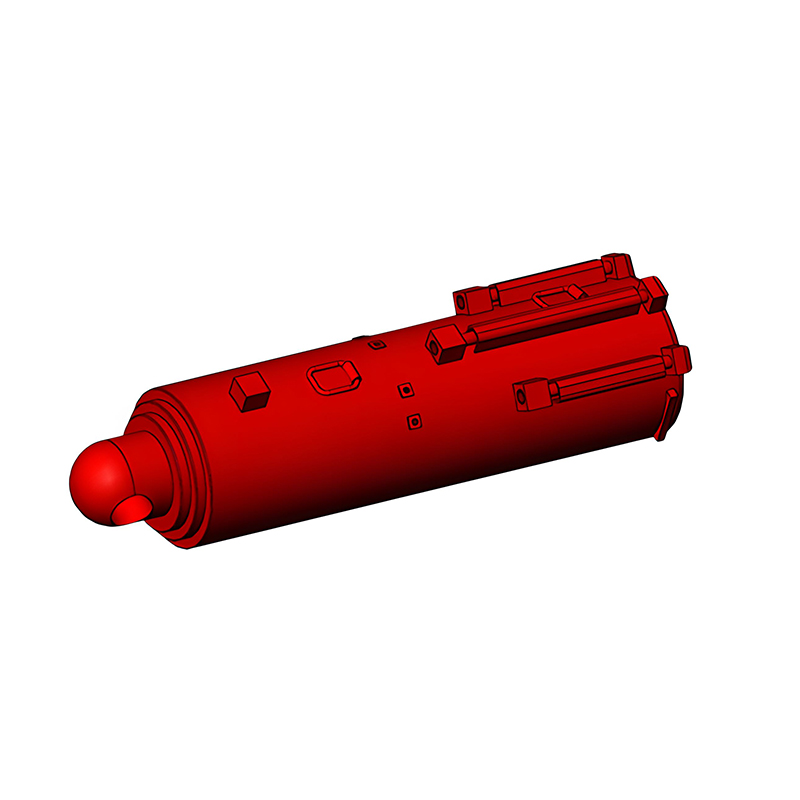
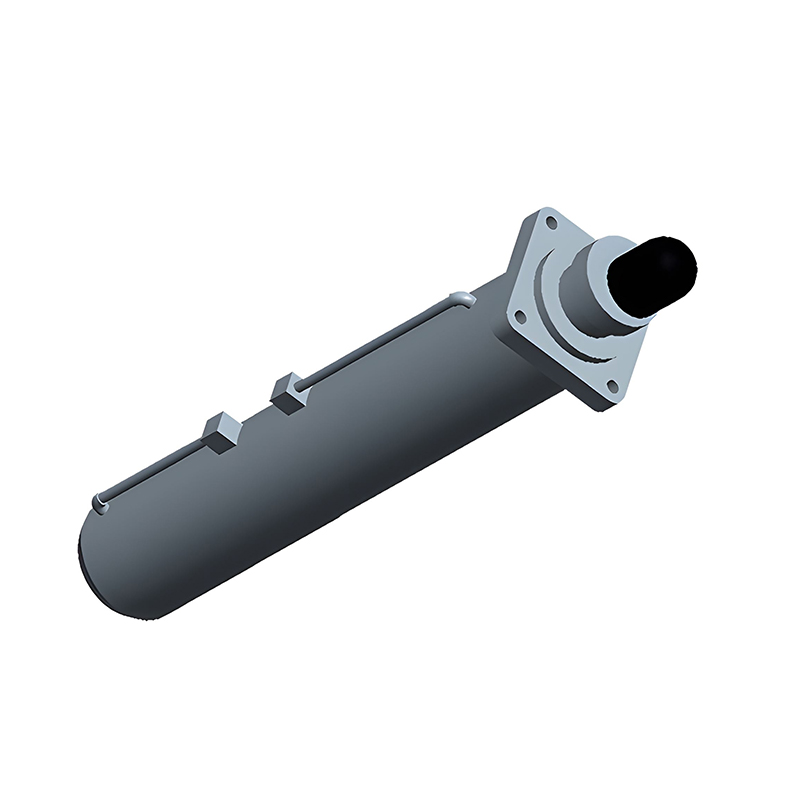
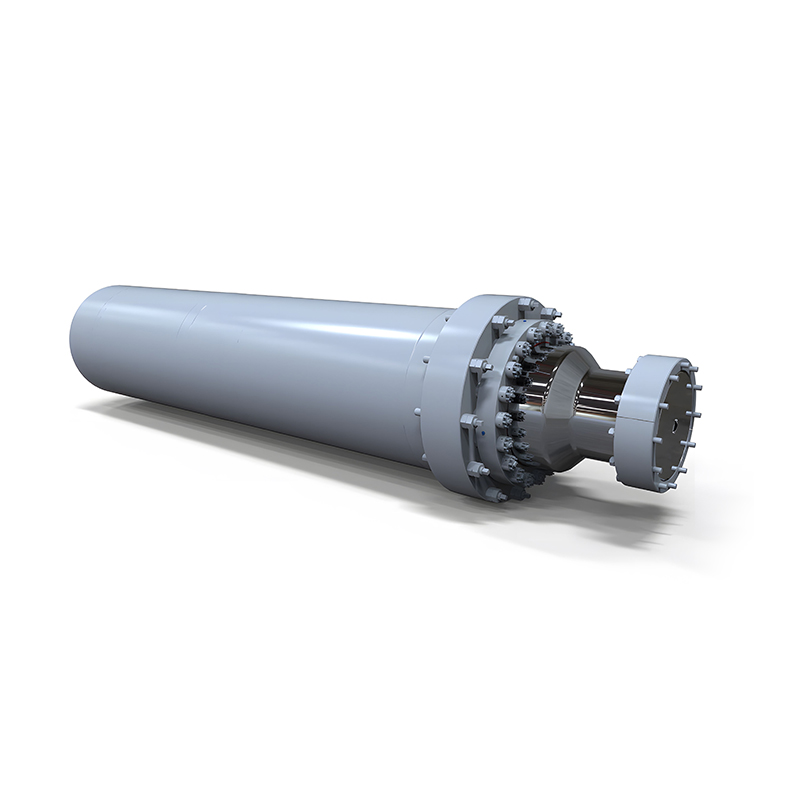 Hydraulic Press Cylinder with High-Strength Steel and Chrome-Plated PlungerThis cylinder is built for high-force press applications, using forged steel and a wear-resistant guide to handle side loads. Its design supports the force calculations explained above, making it a reliable reference for splitter-style hydraulics.View Product →
Because the bore, rod, and seals are the load-bearing core of the splitter, a log splitter cylinder must be built from high-tensile steel with properly machined ports and a rod that will not bend under side load. The same engineering discipline applies to other high-force applications, which is why cylinders built for hydraulic presses share the same barrel and sealing technology and can often outlast the machines they serve.
Horizontal splitters are the most common. The cylinder sits at one end of a long beam, and the operator places a log on the beam between the wedge and the ram. Vertical splitters orient the cylinder vertically so the wedge pushes down onto a log that rests on a cradle; this design suits very heavy rounds that are hard to lift. Self-contained splitters carry their own engine and pump, while tractor-mounted splitters run off the tractor’s hydraulic system.
In every hydraulic configuration, the cylinder receives the same high-pressure oil and delivers the same reliable push. The only real differences are the frame, the pump drive, and the operating position.
Log splitters work outdoors, often in mud, snow, and sawdust, so the cylinder takes a beating. The most common problems are:
Simple habits prevent most of these issues. Keep the oil clean and at the correct level, wipe the rod down before each use, and replace worn seals promptly with a quality hydraulic cylinder seal kit. A basic seal refresh is well within the reach of most owners, and it can restore a tired splitter’s performance in an afternoon.
The best log splitter is the one that matches your wood, your schedule, and your body. Look at cycle time, tonnage, and ease of transport before buying. For builders, rental fleets, and repair shops, the more important question is where the next cylinder will come from.
A replacement splitter cylinder must match the original bore, stroke, rod diameter, port sizes, and mounting style. That is why manufacturers who control their own machining, welding, and sealing tend to produce cylinders that fit correctly and last. On a farm, a log splitter is usually surrounded by other hydraulic equipment, such as loaders, conveyors, and feed handling machines, and the cylinder technology behind all of them is remarkably similar.
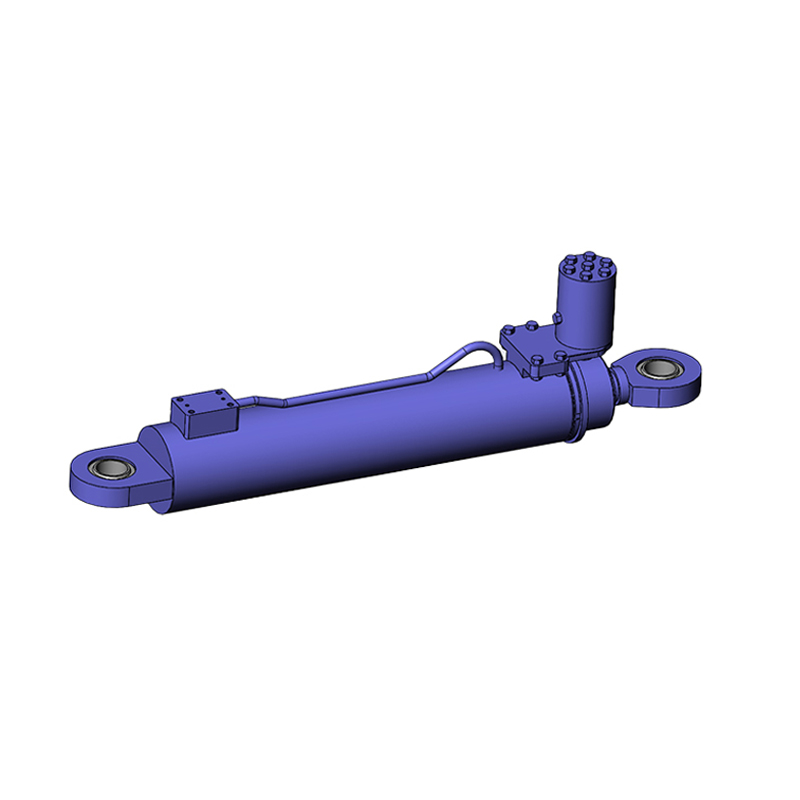
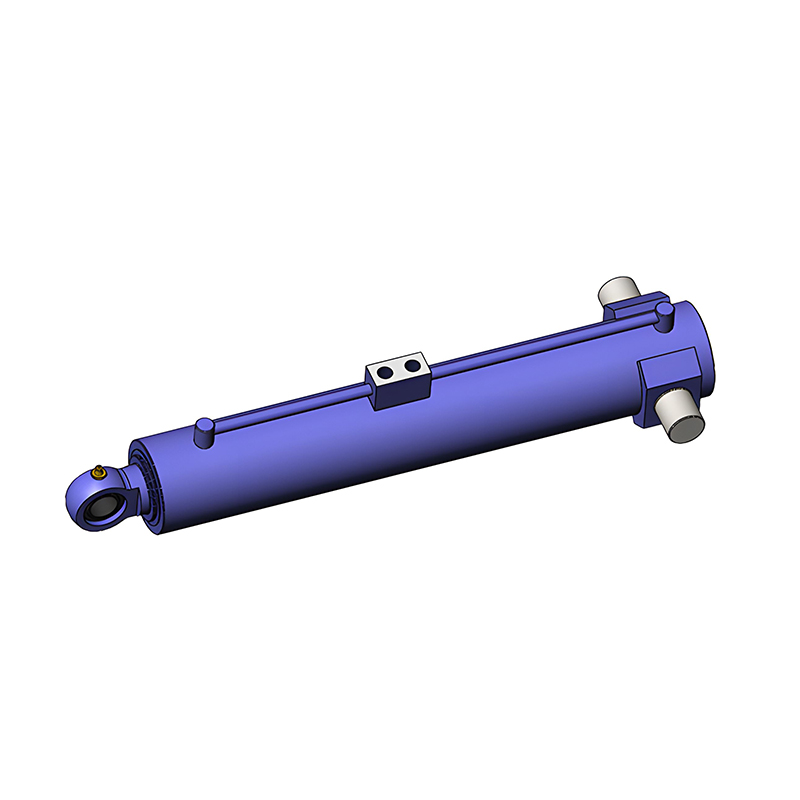
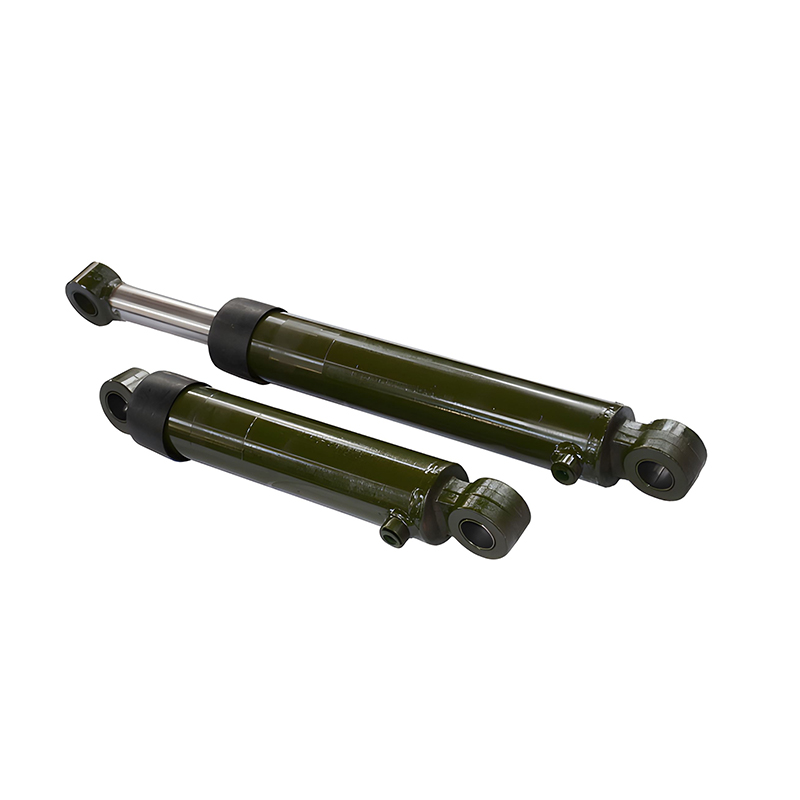
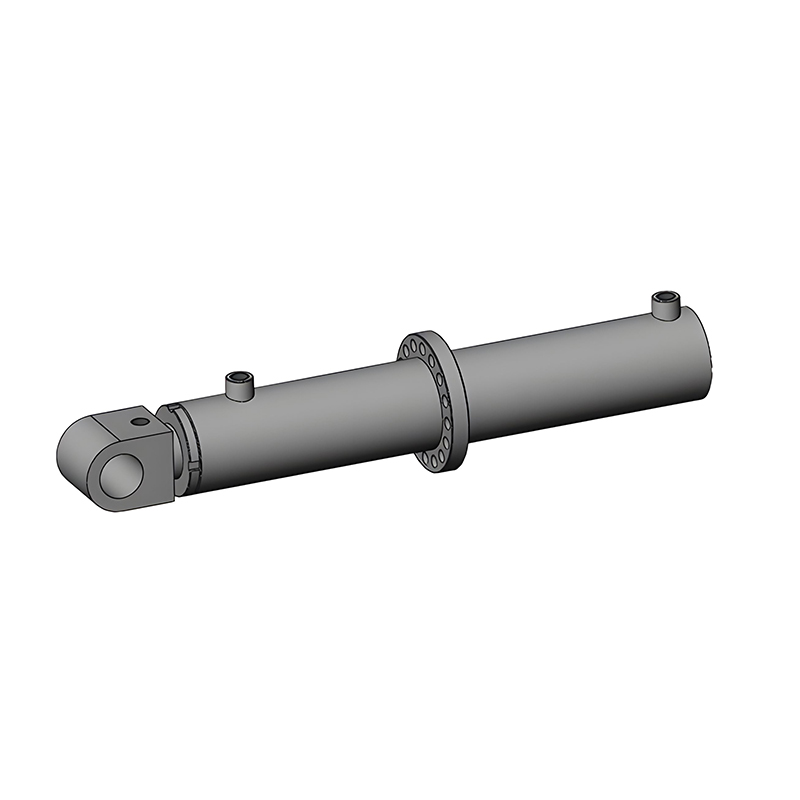 Agricultural Machinery Hydraulic Cylinder with Compound Sealing and Integrated ValveDesigned for farm equipment, this cylinder uses compound sealing for reduced pressure impact and an integrated valve to save space. It suits the surrounding hydraulic systems like loaders and conveyors, offering corrosion resistance and cost-effective performance.View Product →
Copyright © Jiangsu Hengcai Hydraulic Mechanical Co., Ltd. All Rights Reserved.
 Custom Hydraulic Cylinders Manufacturers