English
 中文简体
中文简体 русский
 عربى
عربىOuick Product Search
Provide Hengcai OEM program, product name and other information. The content of this information is for reference only.
2026-03-11
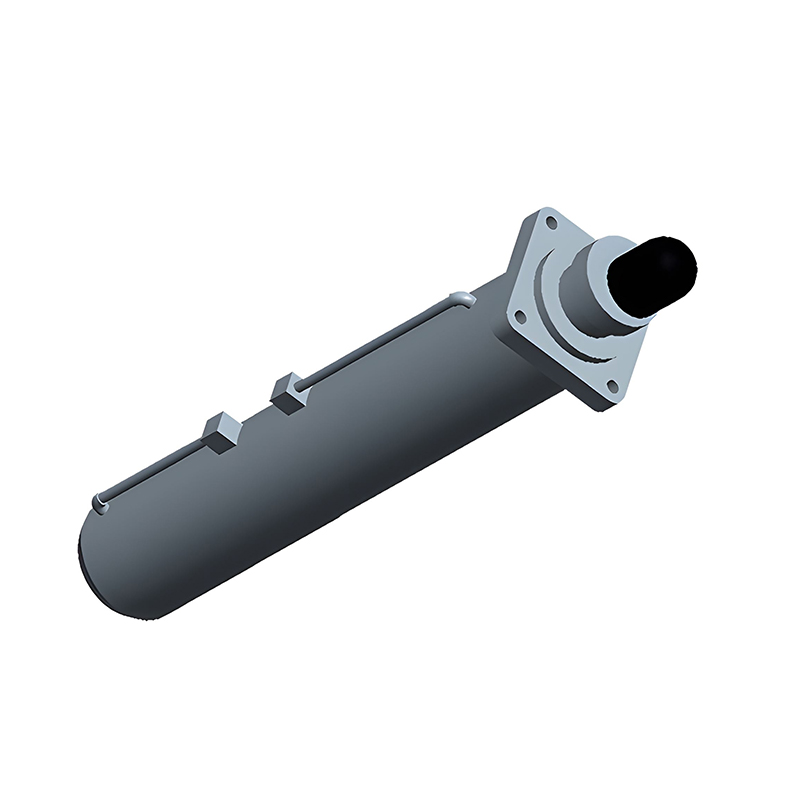
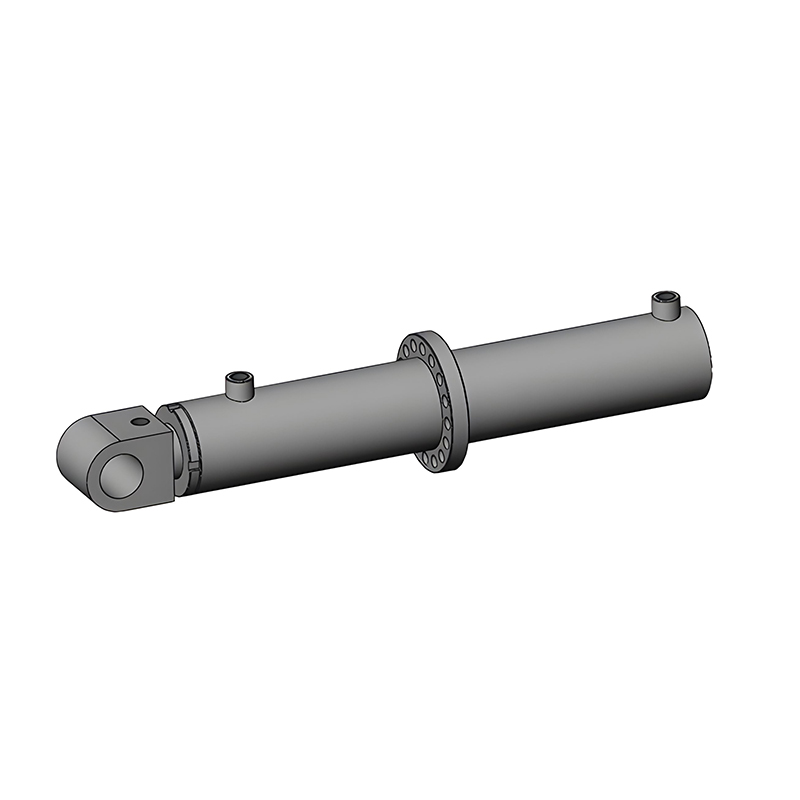
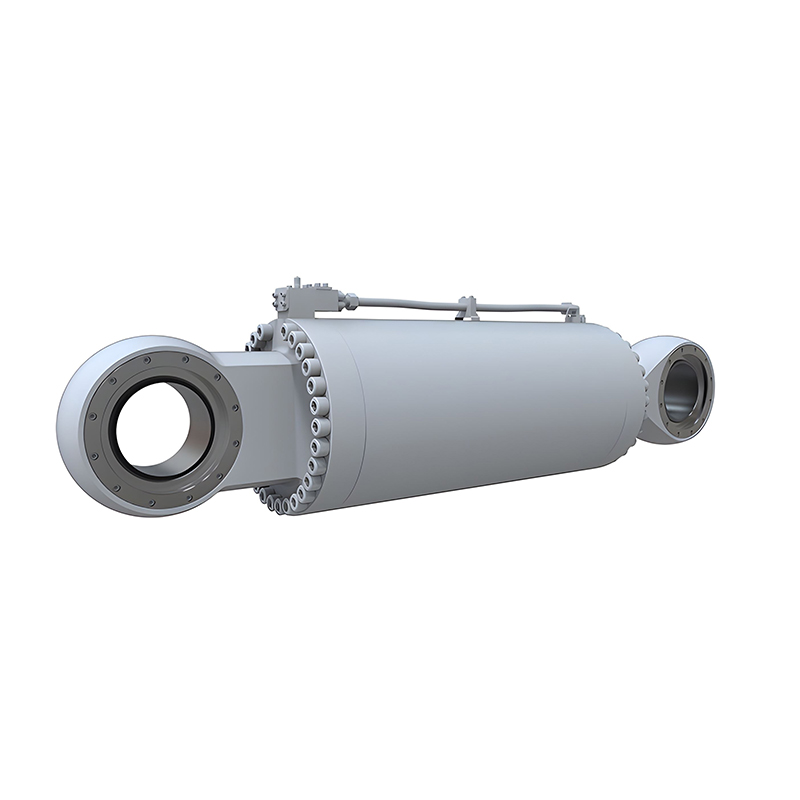
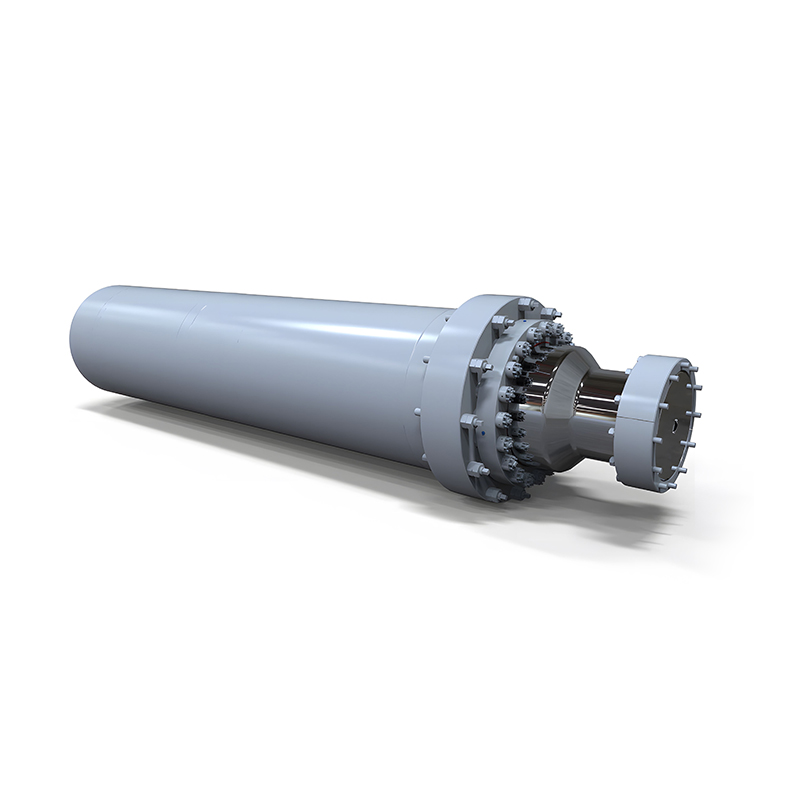
A hydraulic cylinder works by converting pressurized hydraulic fluid into linear mechanical force and motion. When fluid is pumped into one end of the cylinder, it pushes against a piston, generating force that extends or retracts a rod — moving loads with precision and power. This principle, rooted in Pascal's Law, enables hydraulic cylinders to produce forces ranging from a few hundred pounds to over 1,000 tons, making them indispensable in construction, manufacturing, aerospace, and agriculture.
Silicone hoses play a supporting role in hydraulic systems by managing coolant and low-pressure fluid routing, ensuring thermal stability across the wider system. Understanding how hydraulic cylinders work helps engineers and technicians select the right components — including hoses — for maximum efficiency and longevity.
Every hydraulic cylinder operates on Pascal's Law, which states that pressure applied to a confined fluid is transmitted equally in all directions. In practical terms, a small force applied over a small area can generate a massive force over a larger area.
The formula governing this is:
Force (F) = Pressure (P) × Area (A)
For example, if a hydraulic pump delivers 3,000 PSI of pressure and the piston has a bore diameter of 4 inches (area ≈ 12.57 in²), the cylinder produces approximately 37,700 lbs of force — nearly 19 tons from a relatively compact unit. This force-multiplication capability is why hydraulic systems outperform pneumatic or mechanical alternatives in heavy-duty applications.
A hydraulic cylinder is not a single monolithic part — it is an assembly of precision-engineered components, each with a specific role:
The operation sequence of a standard double-acting hydraulic cylinder follows a clear cycle:
This cycle can be repeated thousands of times per day in high-production environments, which is why seal integrity and fluid cleanliness are critical to cylinder longevity.
Not all hydraulic cylinders operate identically. The design determines how fluid pressure is used and in which directions force is generated:
| Type | Actuation | Return Method | Typical Use |
|---|---|---|---|
| Single-Acting | One direction (fluid) | Spring or gravity | Jacks, small presses |
| Double-Acting | Both directions (fluid) | Hydraulic fluid | Excavators, presses, clamps |
| Telescopic | Sequential stages | Gravity or fluid | Dump trucks, cranes |
| Differential | Both sides simultaneously | Fluid pressure differential | Fast-cycle machinery |
| Tandem | Two pistons in series | Hydraulic fluid | High-force, limited bore space |
Double-acting cylinders are the most widely used in industrial and mobile equipment because they deliver controlled power in both extension and retraction — essential for precise, repeatable operations.
Hydraulic fluid is not just a medium — it is the lifeblood of the system. It transmits force, lubricates internal components, and carries heat away from the cylinder. Common fluid types include:
Fluid contamination is the leading cause of hydraulic cylinder failure, responsible for up to 70–80% of hydraulic system breakdowns according to industry estimates. Particles as small as 10–15 microns can score cylinder bores and degrade seal performance. Maintaining fluid cleanliness to ISO 4406 cleanliness codes (typically 16/14/11 or better) is essential for reliable operation.
While reinforced rubber or steel hydraulic hoses carry high-pressure fluid directly to the cylinder, silicone hoses serve a critical supporting role in the broader hydraulic power unit — particularly in thermal management and coolant routing.
In hydraulic power units (HPUs), silicone hoses connect oil coolers, heat exchangers, and reservoir vents — components that keep hydraulic fluid within the optimal operating temperature of 40–60°C. Overheated fluid loses viscosity, reduces film strength, and accelerates seal wear inside the cylinder.
Engineers select hydraulic cylinders based on three interdependent performance parameters:
Calculated using the full bore area: F = P × π × (D/2)²
Example: At 2,500 PSI with a 3-inch bore → F ≈ 17,671 lbs (8.8 tons)
Uses the annular area (bore minus rod): always less than extension force due to the rod's cross-section reducing effective area.
Speed (in/min) = Flow Rate (in³/min) ÷ Piston Area (in²)
Increasing flow rate speeds up the cylinder; increasing bore size slows it for the same flow. Typical industrial cylinder speeds range from 1 to 40 inches per second depending on application requirements.
Hydraulic cylinders appear across virtually every heavy-duty industry. Their ability to deliver massive, controllable force in compact packages makes them irreplaceable:
Understanding failure modes helps maintenance teams extend cylinder life significantly. A well-maintained cylinder can last 10,000 to 100,000+ operating hours depending on conditions and duty cycle.

Copyright © Jiangsu Hengcai Hydraulic Mechanical Co., Ltd. All Rights Reserved.
 Custom Hydraulic Cylinders Manufacturers