English
 中文简体
 русский
 عربى
Ouick Product Search
Provide Hengcai OEM program, product name and other information. The content of this information is for reference only.
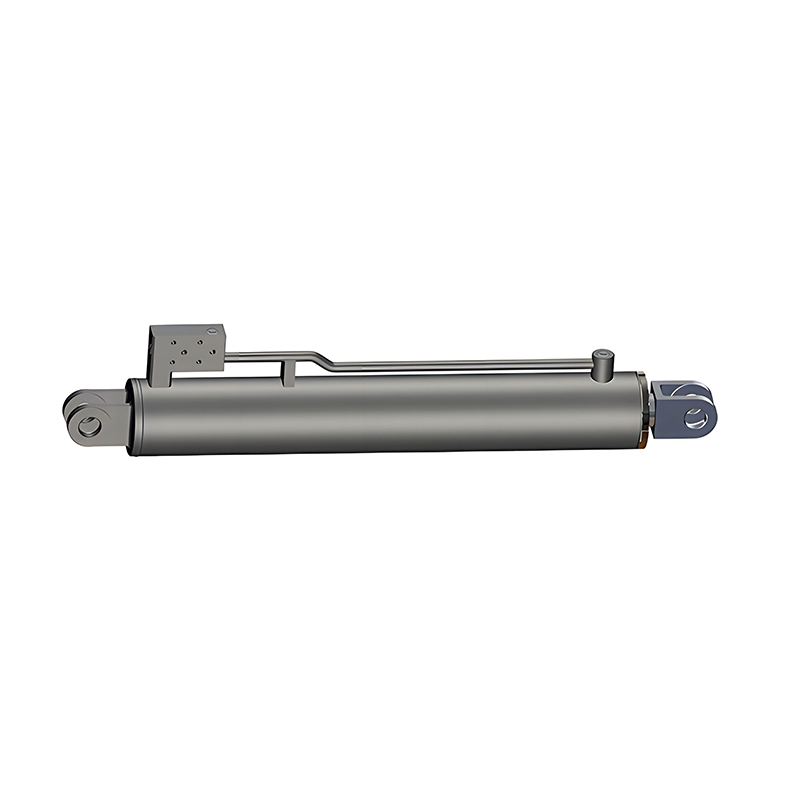
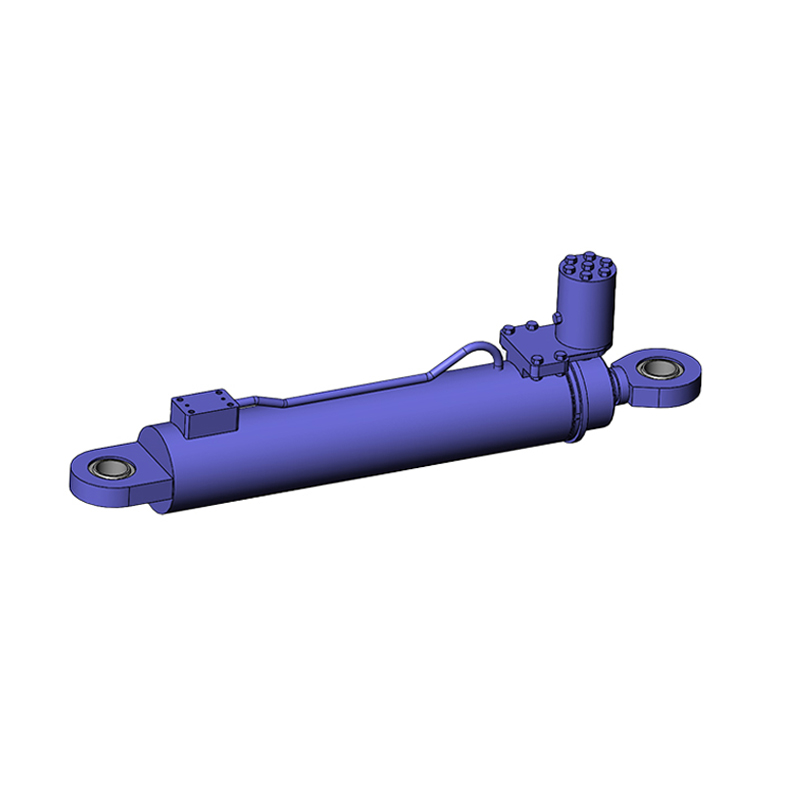
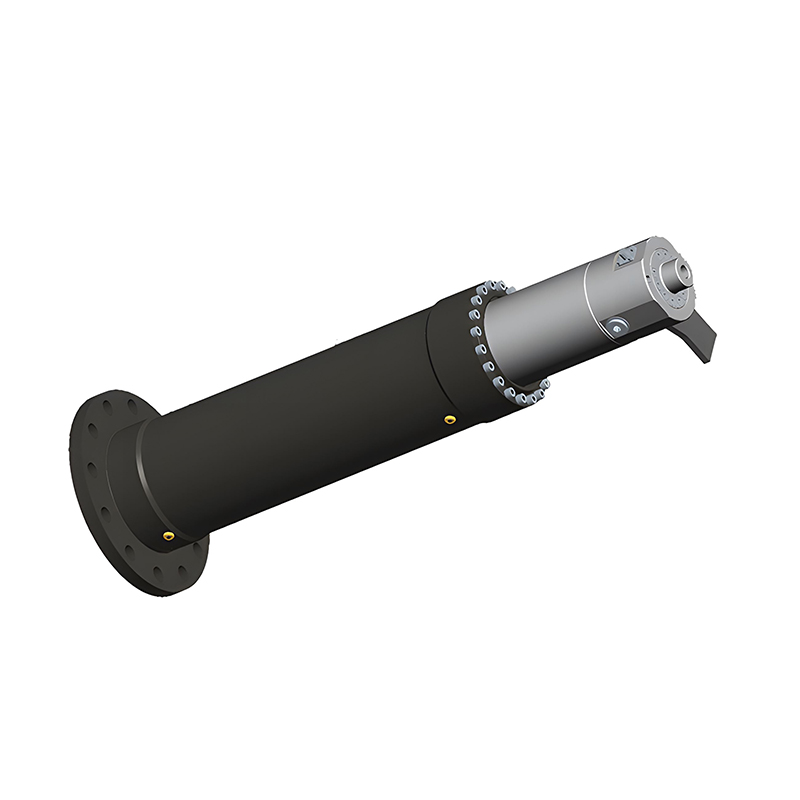
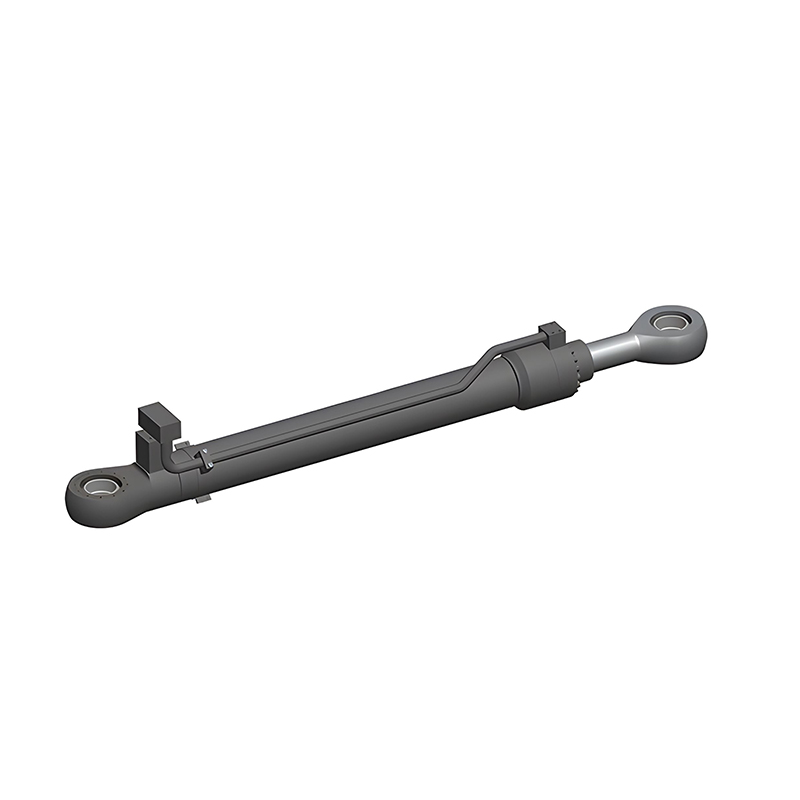
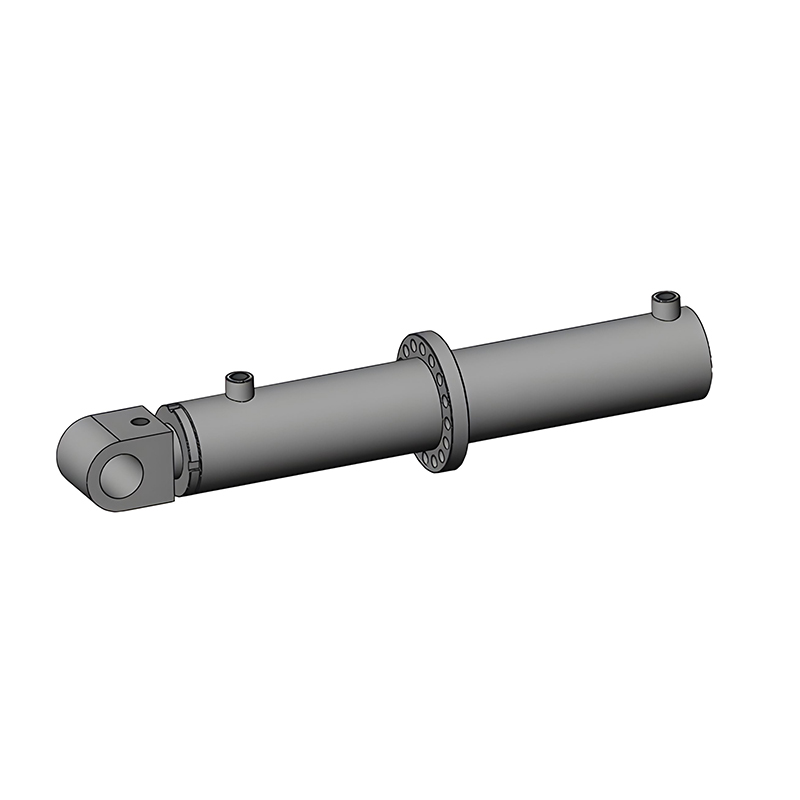
Sanitation Equipment Hydraulic Cylinders
Varieties and corrosion resistance
Garbage Compression Hydraulic Cylinders are used for urban road, site cleaning, or residential waste disposal, where flexibility and convenience, energy conservation, and environmental protection are required. Hengcai has been engaged in the research and manufacturing of hydraulic cylinders of this type for more than 30 years. With precision control and increased efficiency, we are your trusted partner.
Overview
Features
1. Standardized design, simple structure, economical and practical;
2. Friction negative tolerance matching, flexible action;
3. Easy to disassemble and assemble, easy to maintain;
4. Simple design, energy saving, and environmental protection;
5. Front and back floating buffer, stable operation.
Parameters
|
Item |
Value |
Unit |
Scope of application |
|
|
Bore diameter |
25 - 300 |
mm |
1 - 31Tons Hook-arm garbage truck |
|
|
Rod diameter |
12 - 260 |
mm |
||
|
Stroke |
21 - 4000 |
mm |
||
|
Working pressure |
2.5 - 33 |
MPa |
||
|
Output force |
Push |
≤ 2900 |
KN |
|
|
Pull |
≤ 580 |
KN |
||
|
Working temperature |
-40 - 100 |
℃ |
||


Keep in Touch
News Center
Industry News
How to Design a Cylinder: A Practical Guide to Hydraulic Cylinder Engineering2026-10-29
Industry News
how to dimension a cylinder: Applications, Selection Criteria, and Practical Guidance2026-10-27
Industry News
How to Measure a Hydraulic Cylinder for Seals: Bore, Rod, Stroke & More2026-10-22
Industry News
How to Find Seal Kit for Hydraulic Cylinder: A Practical Identification Guide2026-10-20
Industry News
How Dump Truck Hydraulics Work: PTO, Pump, Valve, and Hoist Cylinder Basics2026-10-14
Certificates


Garbage Copmression Truck Hydraulic Cylinder Industry knowledge
Jiangsu Hengcai Hydraulic Mechanical Co., Ltd. has researched and manufactured hydraulic cylinders since 1988 from our plant in Jianhu County, Yancheng City, Jiangsu Province, China. Our Garbage Copmression Truck Hydraulic Cylinder drives the compaction ram, ejector, tailgate and bin-lift functions on refuse bodies, where high thrust at low ram speed, stable holding under load and long seal service life decide how productive a truck stays on route.
This cylinder belongs to our Sanitation Equipment Hydraulic Cylinders range and is built on the same lines as our construction, logistics, marine and coal mine cylinders. Units are produced against the body builder's drawing or sample, or supplied from our standard cylinder sizes where the application allows.
Refuse collection equipment loads the cylinder in a repetitive, dirty duty cycle: many partial strokes, frequent pressure holds while the packer blade reverses, and continuous exposure to grit and leachate. We size each cylinder around the position it occupies in that cycle.
The envelope below is what we manufacture today for refuse bodies. Bore, rod and stroke are selected together so that thrust, buckling resistance and mounting geometry all work on the same chassis.
| Parameter | Range | Unit | Where it matters on the body |
|---|---|---|---|
| Bore diameter | 25 – 300 | mm | Sets thrust at a given system pressure |
| Rod diameter | 12 – 260 | mm | Buckling margin on long ejector strokes |
| Stroke | 21 – 4000 | mm | Packer sweep, ejector travel, lift arc |
| Working pressure | 2.5 – 33 | MPa | Matched to the truck's relief setting |
| Push force | up to 2900 | kN | Compaction ram and ejector plate |
| Pull force | up to 580 | kN | Return strokes, arm retraction, tipping |
| Working temperature | −40 to 100 | °C | Seal and fluid choice for cold or hot climates |
| Vehicle fit | 3 – 12 t compression trucks; 1 – 31 t hook-arm trucks | t | Tonnage band the cylinder family is built for |
Small compression bodies and large hook-arm units pull very different forces from the same circuit pressure. A 3 t compression truck may need a compact bore with a short packer stroke, while a 31 t hook-arm truck needs a larger bore and a longer, more heavily guided rod for container handling.
We look at the complete working point rather than the bore alone. System pressure, available pump flow, the holding time at each end of stroke and the number of cycles per shift determine whether a standard configuration is sufficient or a specific combination of bore, rod, stroke and buffer is required.
We configure the control interfaces around the required line interface, so the cylinder arrives ready to connect rather than needing modification on the assembly floor.
Clevis, flange or threaded ends, pin bores and mounting centres machined to your drawing.
Rod seal, piston seal and wiper selected for grit, leachate and the temperature band of the route.
Plated rod and sprayed barrel finish from our in-house surface lines.
Port size and thread standard aligned with your hose and valve specification.
Position sensing, integrated counterbalance or pilot-operated check functions and special rod end geometry are handled at the design review stage, so the cylinder matches the valve block and the truck's control logic from the first prototype.
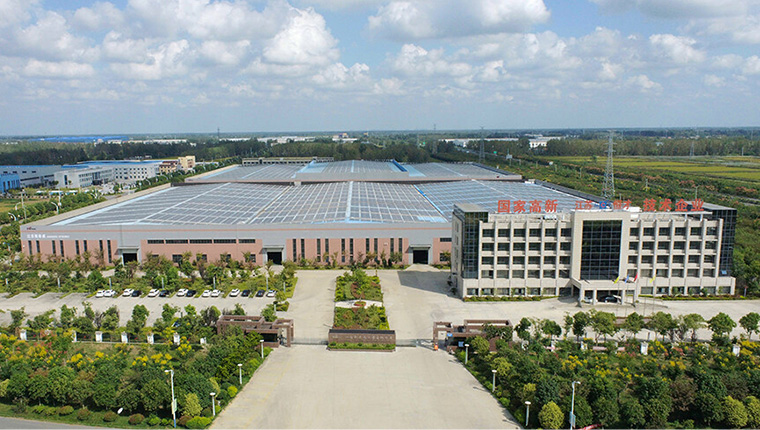
Refuse cylinders are produced at our 130,000 m² Jianhu facility, which serves as our Garbage Copmression Truck Hydraulic Cylinder factory for compression truck and hook-arm truck programmes.
Annual output exceeds 80,000 hydraulic cylinders, and our products run in export markets including the United States, Japan and Russia.
This is the project input we work from before releasing a drawing and a quotation. Where a detail is still open, we propose a value and confirm it with your engineering team during scheme review.
| Input | Why we need it | Typical data |
|---|---|---|
| Working point | Determines bore, rod and pressure class | Required push/pull force and system pressure at the port |
| Geometry | Fixes stroke, mounting centres and end form | Closed and open centre length, pin diameter, port position |
| Duty cycle | Drives buffer, seal and guidance selection | Cycles per shift, holding time, operating hours |
| Hydraulic circuit | Sets port size and valve interaction | Pump flow, relief setting, valve type, filtration level |
| Environment | Selects surface treatment and wiper | Ambient temperature range, dust, leachate, wash-down |
| Delivery scope | Defines documentation, marking and packing | Drawing standard, prototype and series quantities, packaging |
Correct installation protects the seals and the buffer setting as much as the cylinder design does. We support installation, commissioning and operator training as part of our after-sales service, and we respond to reported problems within 24 hours with a diagnosis or an agreed action plan.
All cylinders are guaranteed free from material and workmanship defects under normal use for a warranty period of one year. If a cylinder fails within that period, we replace it with a new unit or apply a discount on the next order.
The family covers 3–12 t garbage compression trucks and 1–31 t hook-arm garbage trucks, with bore 25–300 mm, rod 12–260 mm, stroke 21–4000 mm, working pressure 2.5–33 MPa, push up to 2900 kN and pull up to 580 kN. Ram, ejector, tailgate and bin-lift positions are configured within that envelope.
Yes. Custom development is our main mode of production — we work from customer drawings or samples and also hold standard hydraulic cylinder products. The process runs from requirements confirmation and scheme design review through product and process design, BOM preparation, manufacturing and testing before order conversion.
The design operates across −40 °C to 100 °C. For refuse duty we match the wiper, rod seal and rod surface treatment to the dust, leachate and wash-down exposure of your route, and confirm the fluid and seal combination during design review.
Welding, heat treatment, electroplating and spraying are carried out in house under our ISO9001 and ISO14001 systems, with CE certification for the applicable scope. Cylinders are checked on durability and reciprocating/buffer performance benches, and materials are verified in our physical, chemical and metallographic laboratories.
Send the required push and pull force, system pressure at the cylinder port, closed and open centre lengths, mounting and pin details, port standard, operating environment and expected quantities. If a detail is not yet fixed, we propose a configuration and confirm it with your engineering team.
Our one-year warranty covers material and workmanship defects under normal use, we respond to reported issues within 24 hours, and we aim to complete a diagnosis or agreed plan within 3–5 days. Installation, commissioning and training support, plus long-term supply of seals, joints, metal and rubber parts, are provided for cylinders we manufacture.

Copyright © Jiangsu Hengcai Hydraulic Mechanical Co., Ltd. All Rights Reserved.
 Wholesale Garbage Copmression Truck Hydraulic Cylinder Factory