English
 中文简体
 русский
 عربى
Ouick Product Search
Provide Hengcai OEM program, product name and other information. The content of this information is for reference only.
2026-10-22
Measuring a hydraulic cylinder for seals is one of those jobs that looks simple until you are holding a new seal that does not quite fit. The key is knowing which dimensions actually control the seal fit: bore diameter, rod diameter, seal groove width, and groove depth. Get those right, and the rest of the replacement process becomes straightforward.
In our workshop, we see seal failures caused by worn seals, contaminated oil, and scratched surfaces. But we also see perfectly good seals replaced with the wrong size simply because the cylinder was measured in a hurry. A few extra minutes with the right tools can prevent a second disassembly and a much longer downtime.
Accurate measuring is easier with the right equipment. You do not need a full metrology lab, but these tools will make the job safer and more reliable:
Cleanliness matters. A small burr, a piece of grit, or a worn caliper jaw can easily distort a reading. Wipe the barrel, rod, and glands clean before you measure.
Hydraulic cylinders are built around a few critical dimensions. For seal replacement, the most useful measurements are the bore, the rod diameter, and the grooves in which the seals actually sit. Follow these steps in order.
The bore diameter is the internal diameter of the cylinder barrel. It is one of the main numbers used to identify a seal kit because the piston seal must press evenly against the barrel wall.
After removing the piston and rod assembly, wipe the inside of the barrel clean. Use an inside micrometer or a bore gauge at several points along the barrel length. Take readings in two directions at each position. The bore diameter is the largest smooth reading that repeats across the barrel, not the value taken over scratches or deep wear marks.
If you are working on a welded-bodied cylinder, you can measure the bore from the open end after the rod gland is removed. Full disassembly is still the best way to confirm the measurement, especially when the cylinder has been in service for years.
Clean the exposed part of the piston rod, especially the area that moves through the rod seal. Measure the rod diameter with a digital caliper at two different positions along the rod and rotate the caliper at least 90 degrees. Use the average of the readings that are consistent.
If the rod is pitted or scratched in the seal contact zone, record the undamaged diameter as a reference. A rod with deep pitting should be repaired or replaced before new seals are installed, otherwise the new seal will wear quickly. This is common on excavator cylinders, where dirt and moisture can damage the chrome surface.
Seals sit in grooves, and the groove dimensions are often the deciding factor between two otherwise similar seals. Measure the groove bottom diameter and the groove width for every seal you plan to replace.
For the piston seal, measure the groove diameter on the piston outer surface and the width of the groove with a depth rod or caliper jaw. For the rod seal, measure the bore in the cylinder head or gland where the seal sits, along with the groove width. For a wiper seal, record the rod diameter and the counterbore diameter in the gland.
| Seal location | What to measure | Why it matters |
|---|---|---|
| Piston seal | Groove outer diameter and groove width | Matches piston seal cross-section and sealing diameter |
| Rod seal | Gland bore and groove width | Confirms rod seal diameter and profile |
| Wiper seal | Rod diameter and counterbore diameter | Ensures the wiper fits the groove and seals against the rod |
Once you have the bore diameter, rod diameter, and groove widths, compare those numbers with available seal kit specifications. Many standard hydraulic cylinders share common bore sizes and groove profiles, so the right kit is often easy to find.
At Hengcai, we regularly help customers cross-reference measurements with seal profiles. If you want to speed up the process, start with our hydraulic cylinder seal kits page and compare your numbers against the size range listed there. When the numbers match, you can order with confidence.
If you are measuring a cylinder that has already been rebuilt, remember that the seal groove may have been machined to a different tolerance than the original. Measuring the actual groove is usually safer than assuming a part is standard.
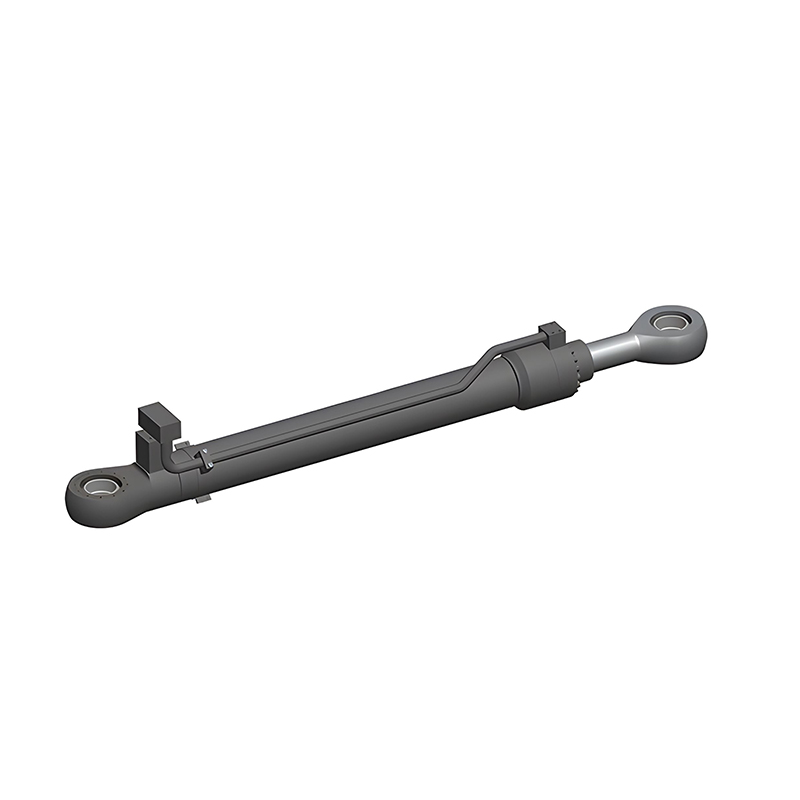 Excavator Hydraulic Cylinder with Customizable Bore and StrokeDesigned for excavators from 1.5 to 700 tons, this cylinder offers standardized sealing and durable construction—ideal when verifying measurements before replacement.View Product →
One of the biggest mistakes in seal replacement is mixing metric and imperial measurements. A 90 mm bore is close to 3.54 inches, but not exactly the same as a 3.5 inch bore. Similarly, a 50 mm rod is close to 1.97 inches but will not correctly match seals designed for a 2 inch rod.
Record all measurements in millimetres if the cylinder uses metric machining, or in inches if it was designed to imperial standards. If you are unsure, convert with care and keep the numbers in one system when talking to a supplier.
Even experienced technicians occasionally miss a worn step inside the barrel. Take your time, and write down every number as soon as you measure it.
Measuring a hydraulic cylinder for seals may reveal more than a worn seal. If the bore is scored, the rod is bent, or the chrome is heavily pitted, new seals will only last for a short time. In those cases, reconditioning the cylinder or replacing the entire unit is often more cost-effective.
For many machine owners, the fastest route is a direct replacement cylinder built to the same mounting dimensions. If your numbers do not line up with a known seal kit, or if the barrel and rod are beyond repair, a replacement cylinder may be the better choice.
At Hengcai, we manufacture replacement cylinders for construction, agricultural, marine, and logistics equipment. If you need to match an existing cylinder without rebuilding it, consider one of our interchangeable hydraulic cylinders and compare the key dimensions with your measured values before ordering.
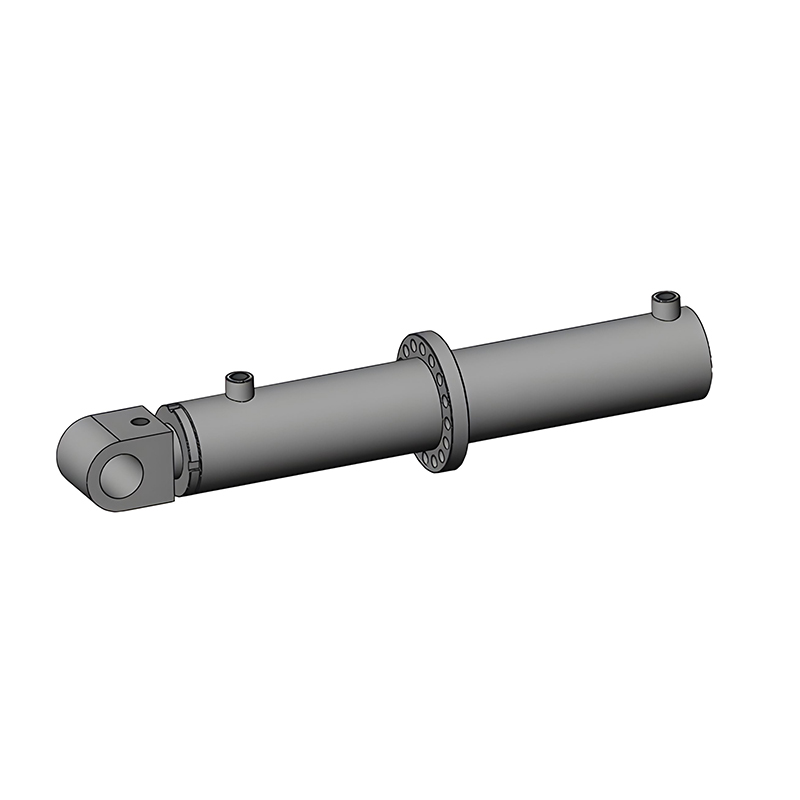 Agricultural Machinery Hydraulic Cylinder for Efficient OperationBuilt for seed drills, tillers, and harvesters, this cylinder reduces pressure impact and features an optional integrated valve to simplify installation.View Product →
Measuring a hydraulic cylinder for seals is a practical skill, but it is also a step that benefits from experience. Seal profiles, groove tolerances, and cylinder standards all influence the final choice. If you have a set of measurements and want a second opinion, our team can help you interpret them and recommend the right seal arrangement.
Send us the bore diameter, rod diameter, and groove measurements you have collected. We will help you confirm whether a standard seal kit fits or whether a custom solution is needed. With decades of experience building cylinders for construction, mining, agricultural machinery, and marine equipment, we know how to turn measurements into a reliable repair.

Copyright © Jiangsu Hengcai Hydraulic Mechanical Co., Ltd. All Rights Reserved.
 Custom Hydraulic Cylinders Manufacturers