English
 中文简体
 русский
 عربى
Ouick Product Search
Provide Hengcai OEM program, product name and other information. The content of this information is for reference only.
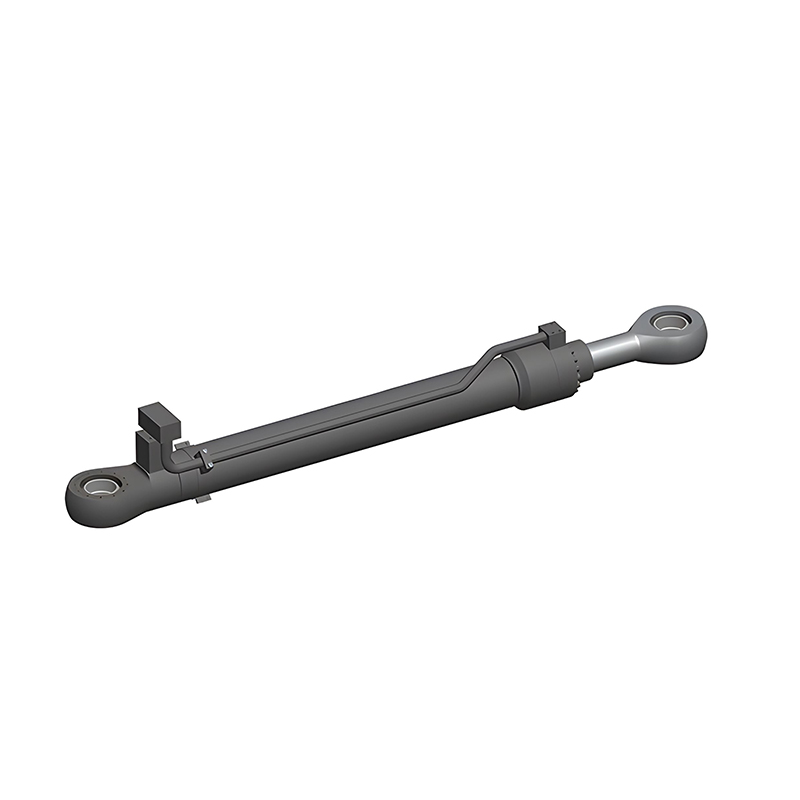
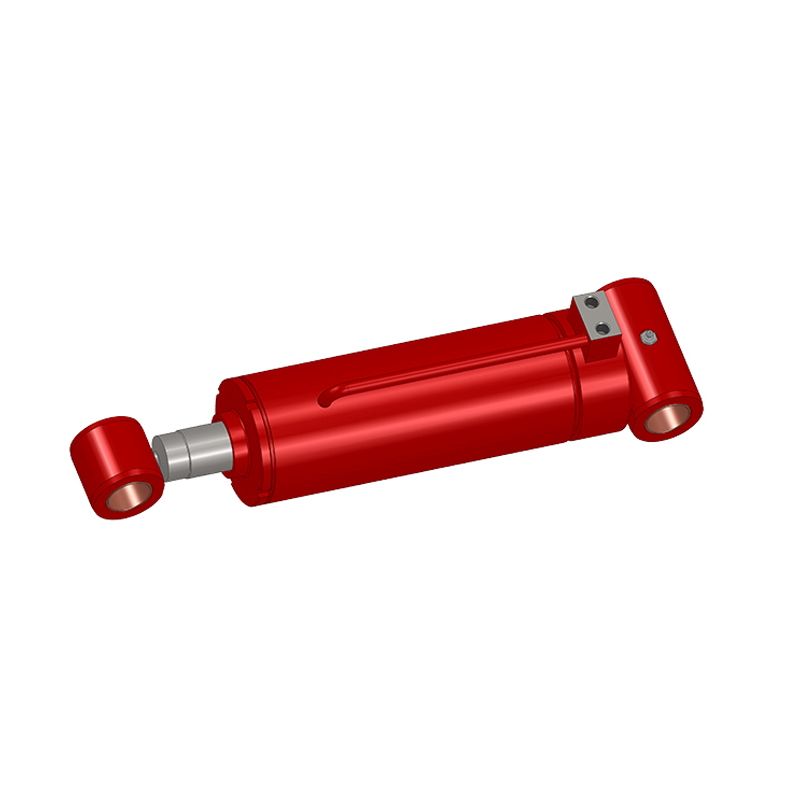
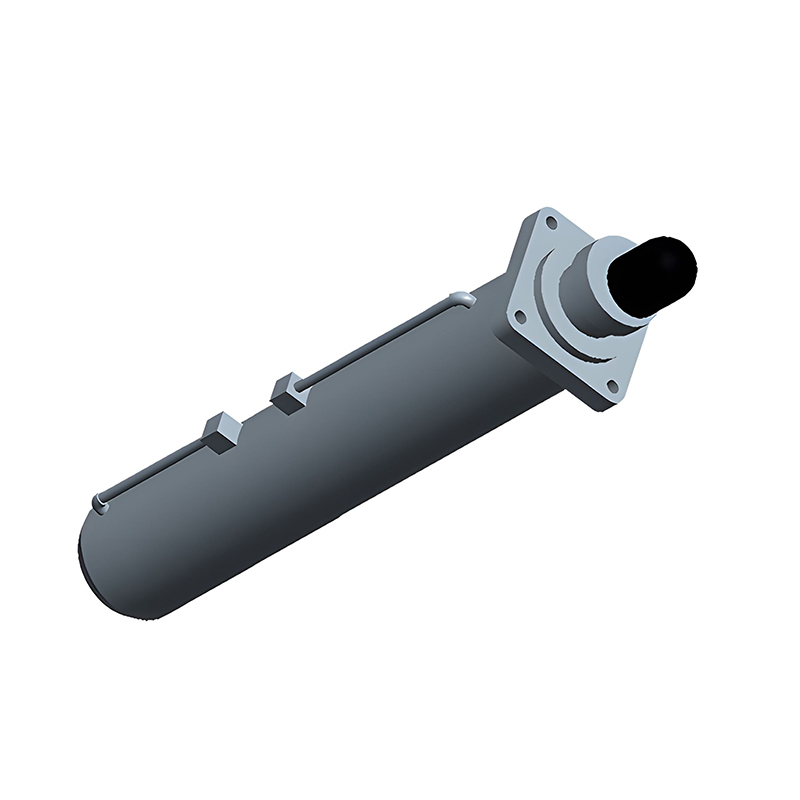
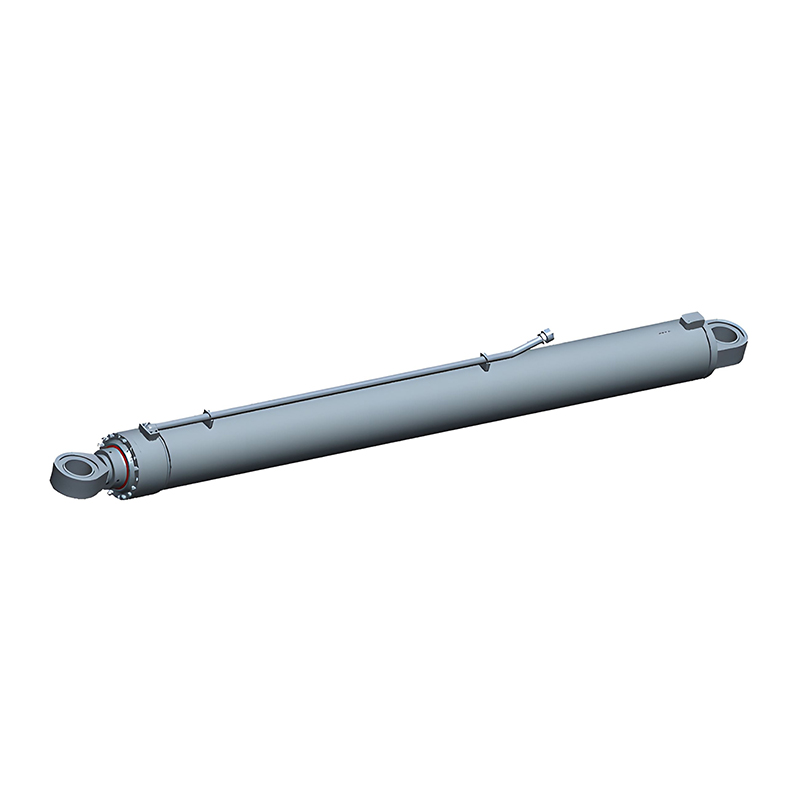
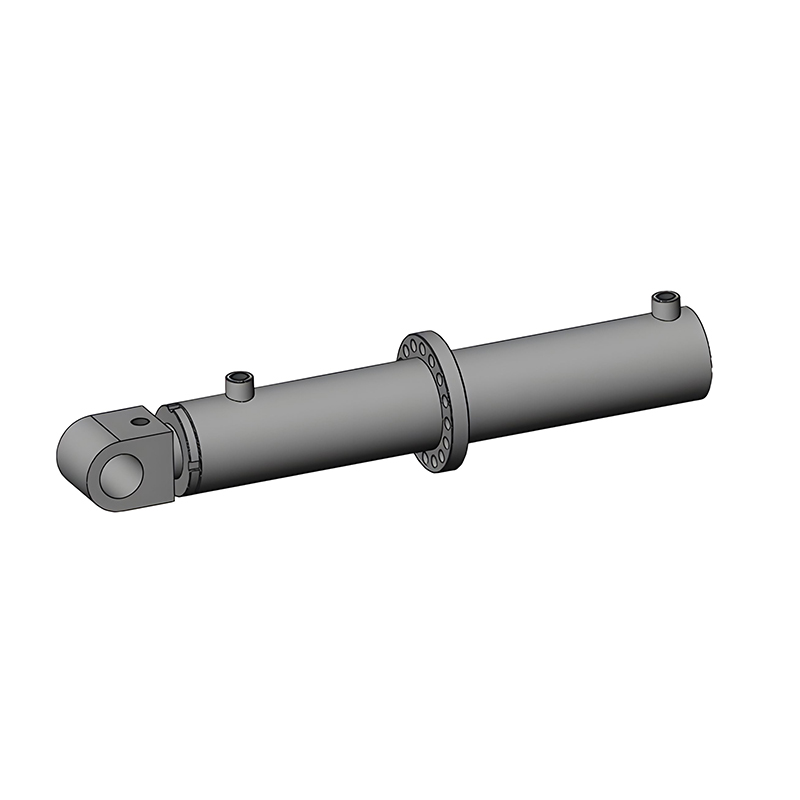
Construction Hydraulic Cylinders
Scientific structure optimization
The working condition of the excavator is very bad, with long continuous operation time and large pressure impact, so the requirement for buffer effect is very high. Hengcai has fully absorbed the advanced technology of foreign excavator cylinders. Through independent research and development and structural optimization, the company has industrialized hydraulic cylinders for excavating machinery, and the reliability of the products has reached a national and international level.
Overview
Features
1. Standardized design, applications of welding, anti-loosening, and other patent technology make our cylinders more reliable;
2. The lightweight design reduces weight and makes the device safer and more energy-efficient;
3. Simple design, easy to disassemble and repair;
4. TSZ and coating process on the external surface ensure better corrosion resistance.
Parameters
|
Item |
Value |
Unit |
Scope of application |
|
|
Bore diameter |
50 - 420 |
mm |
1.5 - 700 Tons excavator |
|
|
Rod diameter |
30 - 260 |
mm |
||
|
Stroke |
100 - 3800 |
mm |
||
|
Working pressure |
24.5 - 35 |
MPa |
||
|
Output force |
Push |
≤ 4800 |
KN |
|
|
Pull |
≤ 2000 |
KN |
||
|
Working pressure |
-40 - 100 |
℃ |
||


Keep in Touch
News Center
Industry News
How to Design a Cylinder: A Practical Guide to Hydraulic Cylinder Engineering2026-10-29
Industry News
how to dimension a cylinder: Applications, Selection Criteria, and Practical Guidance2026-10-27
Industry News
How to Measure a Hydraulic Cylinder for Seals: Bore, Rod, Stroke & More2026-10-22
Industry News
How to Find Seal Kit for Hydraulic Cylinder: A Practical Identification Guide2026-10-20
Industry News
How Dump Truck Hydraulics Work: PTO, Pump, Valve, and Hoist Cylinder Basics2026-10-14
Certificates


Excavator Hydraulic Cylinder Industry knowledge
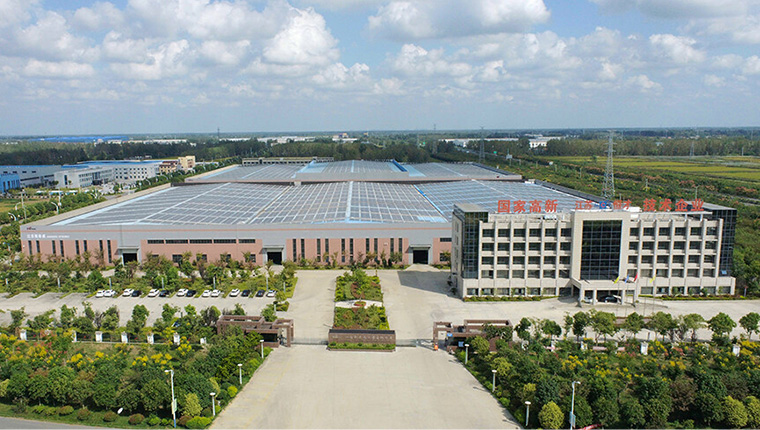
Jiangsu Hengcai Hydraulic Mechanical Co., Ltd. has manufactured hydraulic cylinders since 1988 from our plant in Jianhu County, Yancheng City, Jiangsu Province. The Excavator Hydraulic Cylinder range covers boom, arm, bucket and attachment cylinders for machines from 1.5 t compact units to 700 t mining-class excavators, with bore diameters from 50 mm to 420 mm. Every cylinder in this range is produced in our own works — the operation we present as our Wholesale Excavator Hydraulic Cylinder Factory in Jianhu County.
Excavator duty is severe: long continuous running, heavy pressure shock at stroke ends and constant exposure to grit, water and temperature swing. Our development work therefore centres on buffer behaviour, structural rigidity and sealing life rather than on a single headline figure. We studied the structural practice used in imported excavator cylinders, optimised the design in-house and moved it into series production, so the reliability level of the range matches established national and international expectations for this application.
Excavator cylinders are built to order against the linkage geometry of the host machine, so the figures below define the range we can manufacture rather than a fixed catalogue of finished sizes. Bore and rod combinations are selected against the required digging force, the rated pressure of the machine's main pump and the buckling length of the fully extended rod.
| Parameter | Range | How we use it |
|---|---|---|
| Bore diameter | 50 – 420 mm | Sets thrust area against pump pressure |
| Rod diameter | 30 – 260 mm | Checked for buckling and side load at full stroke |
| Stroke | 100 – 3800 mm | Matched to boom, arm and bucket linkage travel |
| Rated working pressure | 24.5 – 35 MPa | Seal selection, tube wall and weld class follow this value |
| Output force | Push ≤ 4800 kN / Pull ≤ 2000 kN | Confirmed against digging and lifting duty |
| Operating temperature | −40 to 100 °C | Governs seal compound and oil grade recommendation |
| Machine class | 1.5 – 700 t excavator | Links cylinder size to carrier and attachment weight |
Standardised design sits behind most of the reliability gains in this range. Welding and anti-loosening techniques developed and patented in our own plant remove the loosening paths that appear on cylinders run at high cycle counts, and the cushioning arrangement is tuned to the pressure shock of each specific linkage.
Barrel and rod stock is selected from high-strength alloy steel together with wear-resistant and corrosion-resistant grades, chosen against the pressure band and the environment the machine works in. Slender rod and barrel processing, honing and large ring welding are all handled on our own machining lines, which is what keeps straightness and bore finish consistent across a batch.
Seal kits are matched to the working pressure, oil temperature and duty cycle of the application. Heat treatment is carried out on an overall tempering unit or a fully automatic surface induction heating line, followed by hardness, tensile and automatic metallographic analysis to confirm that each batch meets the specified structure. External coating runs through a 315-metre fully automatic electrostatic coating line, with coating thickness, hardness, adhesion and corrosion resistance all tested.
Our excavator cylinder production currently uses 22 manufacturing processes and 109 individual processing capabilities, with a self-made parts rate of about 70%. Core processes — welding, heat treatment, electroplating and spraying — and the important parts are produced internally, which is where the quality stability of the range comes from.
Because excavator cylinders interface directly with the machine's linkage, hoses and control valve, configuration is settled with the host machine in view. The table below shows the choices we build into this range and what each one is for.
| Configuration item | What we supply | Where it fits |
|---|---|---|
| Mounting ends | Pin-eye, clevis, flange, threaded or welded boss | Boom, arm, bucket and attachment linkage |
| Cushioning | End-of-stroke buffer, tuned cushion | High-cycle boom and arm circuits |
| Port arrangement | Adjustable oil ports, metric or inch threads | Hose routing and angle setting on the machine |
| Rod and barrel | Custom bore, rod and stroke; hardened, plated rod surface | Replacement or new-machine build |
| Sealing system | Seal kits selected for pressure band and temperature | Leak control under continuous duty |
| Surface finish | TSZ treatment plus coating; paint colour to specification | Wet, coastal and outdoor sites |
We work from customer drawings or physical samples, and we also hold standard hydraulic cylinder products alongside the customised program. Design review covers the cylinder's key forces, buffer behaviour and mounting geometry before manufacturing drawings are released, and the R&D process runs from requirement confirmation through scheme review, customer confirmation, process design and BOM preparation to testing and order conversion.
You receive cylinders ready for pin fitting and hose connection, with oil ports set to the routing agreed at order stage. Once the machine is charged, we recommend cycling the cylinder through full stroke under light load to purge air and confirm that cushioning engages cleanly at both ends. Our field and remote support covers installation, commissioning and operator training.
Maintenance access was designed in from the start: the structure can be stripped quickly when a cylinder has to be repaired, and the seal arrangement is intended for straightforward seal replacement on site. Adjustable piston rods and oil ports simplify later alignment work. Where the host machine carries a monitoring system, cylinder working status can be fed back to the machine so that developing problems are flagged before they become a breakdown.
Long-term spare parts supply is available for our cylinders, including metal parts, pipe joints, sealing rings and rubber components. Cylinders carry a one-year warranty against defects in material or workmanship under normal use; quality issues reported online or by phone receive a response within 24 hours, with a diagnosis or agreed plan inside 3-5 days. In-warranty failures are resolved by replacement cylinder or a discount against the next order.
The same manufacturing base supplies the rest of our construction machinery range, so a mixed project can be sourced from one production system and one set of drawings control.
Our excavator hydraulic cylinder range covers machines from 1.5 t to 700 t. Within that, we manufacture bore diameters of 50 to 420 mm, rod diameters of 30 to 260 mm and strokes up to 3800 mm, at working pressures from 24.5 to 35 MPa.
Push force is available up to 4800 kN and pull force up to 2000 kN. The exact figure for your cylinder follows from bore diameter, rod diameter and rated pressure, and we confirm it against the digging force and lifting duty of the host machine during design review.
Yes. Customised production is the main part of our business, and we develop and build cylinders from customer drawings or physical samples. Standard hydraulic cylinder products are also available where a catalogue size suits the application.
Core processes such as welding, heat treatment, electroplating and spraying are carried out internally, with a self-made parts rate around 70%. Cylinders pass through a 2P-2F durability test bench and a reciprocating and buffer performance test bench, while physical, chemical and metallographic laboratories verify material and dimensional accuracy. Our quality system is certified to ISO9001 and ISO14001, and CE certification is held for applicable products.
External surfaces receive TSZ treatment and coating, and coating thickness, hardness, adhesion and corrosion resistance are tested on the coating line. Rod surfaces are hardened and plated, and seal compounds are chosen for the pressure band and temperature range of the application, including operation down to −40 °C.
We support installation, commissioning and operator training, and provide long-term spare parts supply including metal parts, pipe joints, sealing rings and rubber components. Cylinders carry a one-year warranty against defects in material or workmanship under normal use, with quality reports answered within 24 hours and a diagnosis or agreed action plan within 3-5 days.

Copyright © Jiangsu Hengcai Hydraulic Mechanical Co., Ltd. All Rights Reserved.
 Wholesale Excavator Hydraulic Cylinder Factory