English
 中文简体
 русский
 عربى
Ouick Product Search
Provide Hengcai OEM program, product name and other information. The content of this information is for reference only.
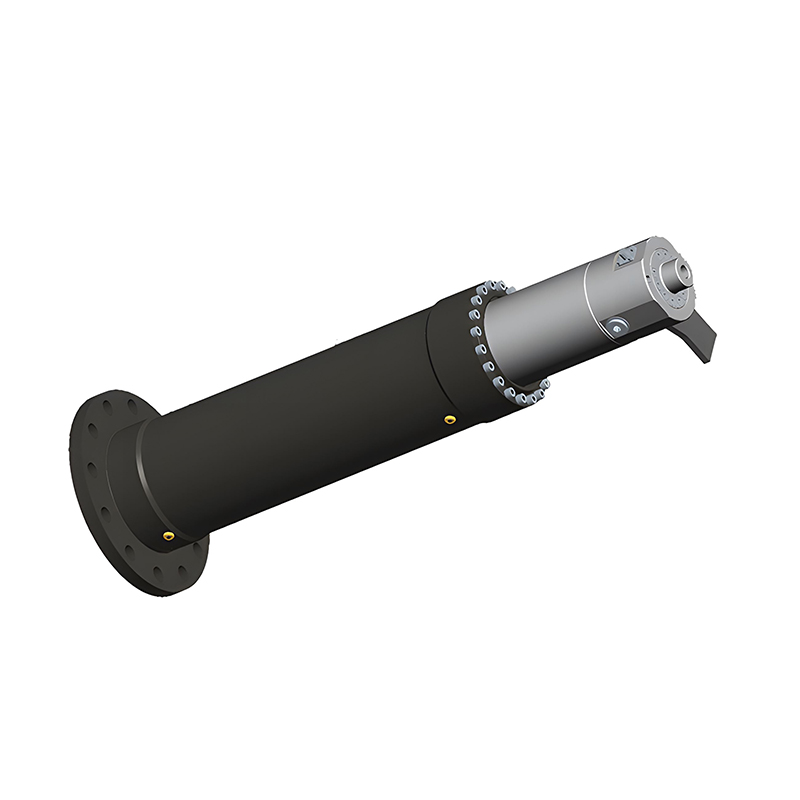
Construction Hydraulic Cylinders
Many innovative technologies
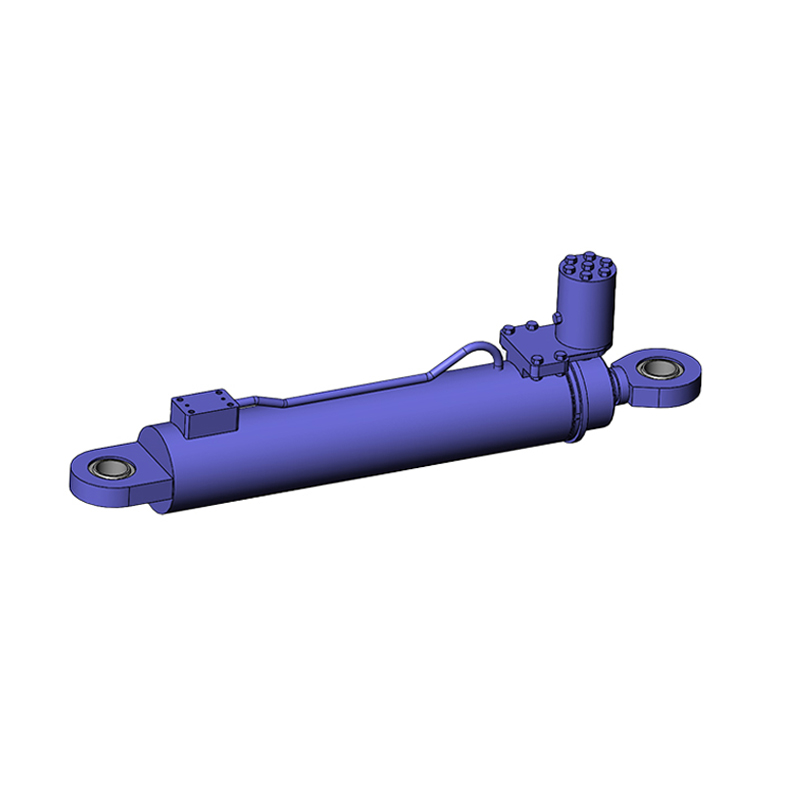
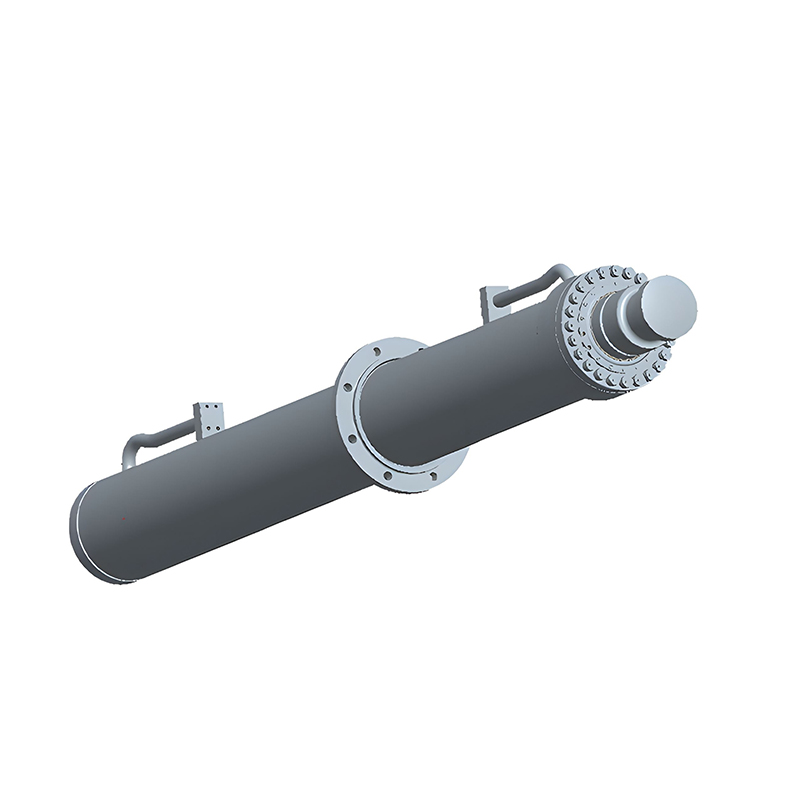
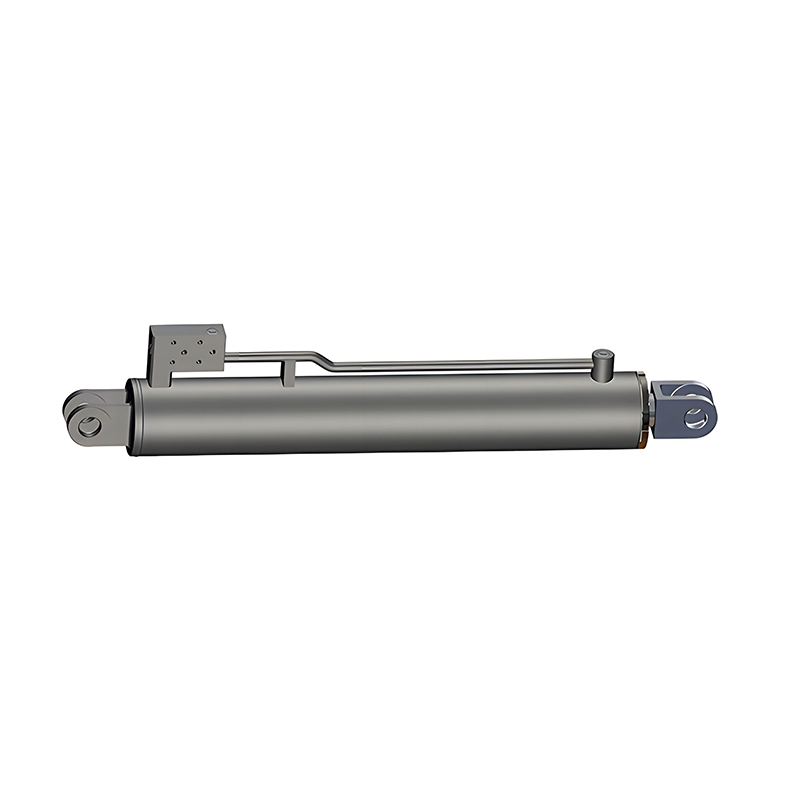
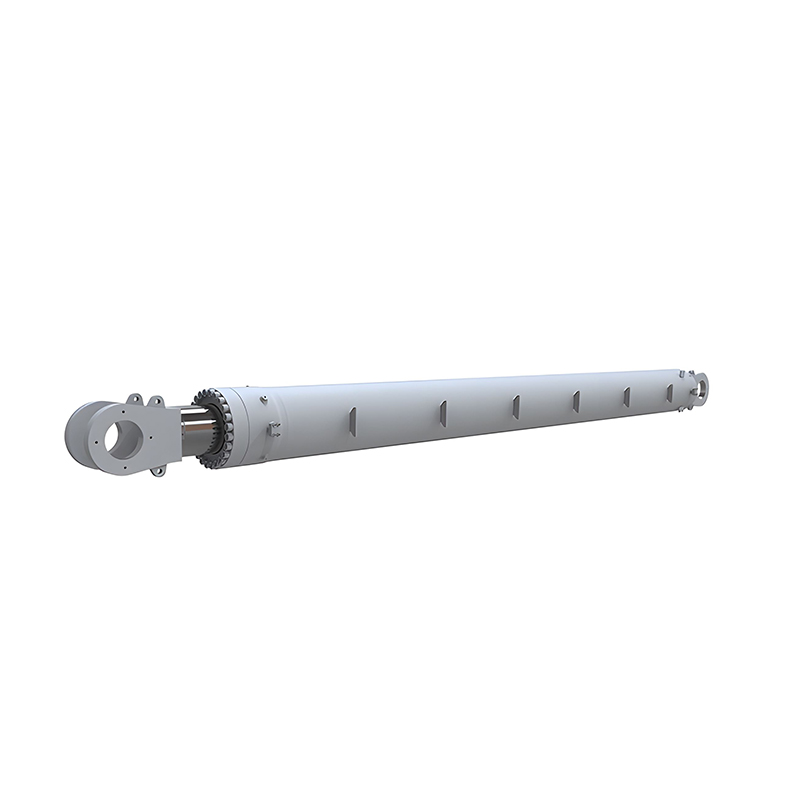
Crane requires high safety performance, and frequent operation during operation, especially shock and vibration, thus require high reliability. At the same time, the limit condition bears a large side load and has higher requirements on the hardness and wear resistance of the rod surface. Standardized design, applications of welding, anti-loosening, and other patent technology make our cylinders more reliable.
Overview
Features
1. Anti-leakage patent technology is adopted to improve the sealing performance;
2. The application of lightweight technology makes the main engine more energy efficient;
3. The waterproof patent technology of the pumping cylinder can prevent the emulsification of hydraulic oil;
4. The sleeve technology of the support cylinder improves the capacity to resist eccentric greatly.
Parameters
|
Item |
Value |
Unit |
Scope of application |
|
|
Bore diameter |
40 - 620 |
mm |
Crane of 1-4000 Tons |
|
|
Rod diameter |
25 - 535 |
mm |
||
|
Stroke |
30 - 15875 |
mm |
||
|
Working pressure |
10 - 42 |
MPa |
||
|
Output force |
Push |
≤ 9656 |
KN |
|
|
Pull |
≤ 3674 |
KN |
||
|
Working pressure |
-40 - 100 |
℃ |
||


Keep in Touch
News Center
Industry News
How to Design a Cylinder: A Practical Guide to Hydraulic Cylinder Engineering2026-10-29
Industry News
how to dimension a cylinder: Applications, Selection Criteria, and Practical Guidance2026-10-27
Industry News
How to Measure a Hydraulic Cylinder for Seals: Bore, Rod, Stroke & More2026-10-22
Industry News
How to Find Seal Kit for Hydraulic Cylinder: A Practical Identification Guide2026-10-20
Industry News
How Dump Truck Hydraulics Work: PTO, Pump, Valve, and Hoist Cylinder Basics2026-10-14
Certificates


Crane Hydraulic Cylinder Industry knowledge
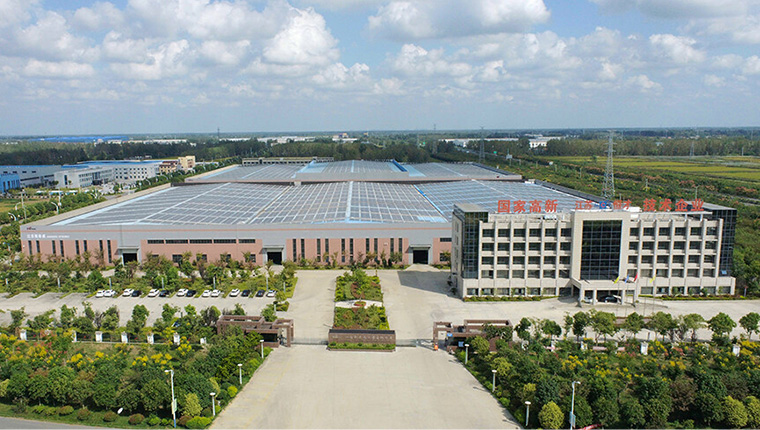
Jiangsu Hengcai Hydraulic Mechanical Co., Ltd. is a Crane Hydraulic Cylinder manufacturer working from a 130,000 m² plant in Jianhu County, Yancheng City, Jiangsu Province, China. We have concentrated on hydraulic cylinder development and production since 1988, and crane duty is one of the application classes our engineering team works with most often — from 1 t truck-mounted units to 4000 t lifting systems.
Crane cylinders leave our works as standard catalogue units or as fully customized assemblies built to customer drawings and samples. Bore, rod, stroke, mounting, porting, sealing and coating are all fixed against the actual machine interface, so the cylinder arrives as a drop-in assembly rather than a generic part that has to be adapted on site.
Crane work combines frequent operation, shock and vibration, and in many linkages a limit condition where the cylinder carries a substantial side load. That combination moves the reliability question onto the rod surface, the guidance inside the bore, and the sealing package that has to hold pressure over long cycle counts.
The table below is the working envelope we manufacture against for crane hydraulic cylinders. Values are confirmed per project rather than applied as a blanket rating.
| Item | Range | Unit | Notes for crane duty |
|---|---|---|---|
| Bore diameter | 40 – 620 | mm | Sized from required push force and permissible pressure |
| Rod diameter | 25 – 535 | mm | Set by buckling length, side load and pull force |
| Stroke | 30 – 15875 | mm | Long strokes for boom and luffing functions |
| Working pressure | 10 – 42 | MPa | Matched to the crane’s system pressure setting |
| Push force | ≤ 9656 | kN | Confirms lifting and luffing capability |
| Pull force | ≤ 3674 | kN | Return and retraction duty |
| Operating temperature | −40 – 100 | °C | Seal and coating selection follow the site climate |
| Crane capacity match | 1 – 4000 | t | Truck-mounted to heavy lifting systems |
| Cylinder function | Typical configuration | Design focus |
|---|---|---|
| Boom luffing / derricking | Mobile, truck-mounted and deck cranes | Buckling resistance at extended length, end-of-stroke cushioning, stable sealing under side load |
| Telescopic boom extension | Truck and all-terrain cranes | Multi-stage thrust, stage concentricity, seal life across repeated cycling |
| Outrigger and support leg | Crane carriers and stabiliser beams | Sleeve technology for eccentric load, holding stability under static load |
| Marine crane hydraulic cylinder | Ship and offshore deck cranes | Corrosion-resistant rod and coating systems, reliable behaviour down to −40 °C |
Crane cylinders are configured against the machine drawing, so the options below are selected together with the customer rather than offered as separate add-ons. Related construction cylinders we produce include the Pump Truck Hydraulic Cylinder and the wider Construction Hydraulic Cylinders range.
Cylinder production at Hengcai runs across 22 manufacturing processes and 109 processing capabilities, with a self-made parts rate of about 70%. The quality-critical processes — welding, heat treatment, electroplating and spraying — are kept in house, which is the core of our product consistency. Annual output exceeds 80,000 hydraulic cylinders, supported by a workforce of more than 200 people and a fully automated production line.
Welding quality is controlled with advanced welding processes and procedures. Heat treatment is completed on an overall tempering device or a fully automatic surface induction heating unit, then confirmed by hardness testing, tensile testing and automatic metallographic analysis. Coating runs through a 315-metre automatic electrostatic coating line, with thickness, hardness, adhesion and corrosion resistance checked by test equipment.
Cylinder performance is verified on an internationally advanced 2P-2F durability test bench and on a reciprocating and buffer comprehensive performance test bench. Our physical, chemical and metallographic laboratories verify material properties, chemical composition and dimensional accuracy. The company operates to ISO9001 and ISO14001 systems and holds CE certification, and design data is managed through a PLM platform linked to SAP for traceability from development through to sales.
| Project input | Detail we confirm with you |
|---|---|
| Crane type and cylinder function | Truck-mounted, all-terrain, marine deck, port or industrial crane; boom, telescopic, outrigger or support position |
| Duty and cycle profile | Load spectrum, cycles per hour, operating hours per day, shock and vibration level |
| Hydraulic system data | Working pressure within 10–42 MPa, flow rate, oil grade and filtration cleanliness |
| Geometry | Bore, rod, stroke, closed length and mounting centres |
| Interfaces | Pin diameter, clevis, flange or trunnion, port size and position, rod-end thread |
| Load conditions | Push and pull force, side load direction and magnitude, holding requirement |
| Environment | Ambient and oil temperature from −40 to 100 °C, dust, salt spray, washdown exposure |
| System integration | Control valve, load-holding valve, cushioning requirement, sensor ports if used |
| Finish and marking | Coating system, colour, nameplate data and traceability marking |
| Documentation and logistics | Drawing approval route, inspection records, packaging, batch volume and delivery schedule |
Every crane cylinder we supply is developed against a confirmed drawing set, with a defined development route from requirement confirmation through scheme review, customer approval, process design, manufacturing and final testing before order conversion. That sequence keeps the delivered cylinder aligned with the linkage it has to operate in.
Our crane hydraulic cylinders serve cranes from 1 t to 4000 t capacity, with bore diameters from 40 mm to 620 mm, rod diameters from 25 mm to 535 mm and strokes from 30 mm to 15,875 mm. Working pressure runs from 10 MPa to 42 MPa, giving push force up to 9656 kN and pull force up to 3674 kN.
Custom manufacturing is our main mode of supply. We develop and produce cylinders from customer drawings or physical samples, and we also hold standard hydraulic cylinder products for common interfaces. New development and design changes are handled by our own R&D team through a controlled process from requirement confirmation to order conversion.
Crane linkages often work at limit positions where offset loading cannot be avoided. Our support cylinders use sleeve technology that raises resistance to eccentric loading, and rod surfaces are produced to hardness and wear-resistance targets appropriate to crane duty, with heat treatment followed by hardness, tensile and metallographic verification.
Cylinders are run on our 2P-2F durability test bench and on the reciprocating and buffer comprehensive performance test bench. Physical, chemical and metallographic laboratories verify material properties, chemical composition and dimensional accuracy, while welding, heat treatment and coating are inspected in house with hardness, tensile, adhesion, thickness and corrosion-resistance checks as the specification requires.
We maintain a long-term supply of cylinder accessories for every cylinder type we produce, covering metal parts, pipe joints, sealing rings and rubber components. Installation and commissioning guidance, operator training and technical response within 24 hours of a reported issue are part of the after-sales service.
All cylinders are guaranteed free from material or workmanship defects under normal use for a period of one year. Where a cylinder develops a problem inside the warranty period, we replace it with a new unit or apply a discount on the following order, after diagnosing the issue and agreeing a plan with the customer.

Copyright © Jiangsu Hengcai Hydraulic Mechanical Co., Ltd. All Rights Reserved.
 Wholesale Crane Hydraulic Cylinder Factory