English
 中文简体
中文简体 русский
 عربى
عربىOuick Product Search
Provide Hengcai OEM program, product name and other information. The content of this information is for reference only.
2026-02-18
In industrial manufacturing, consistency and accuracy are essential for producing high-quality products. One of the most important tools used to ensure these characteristics in pressing operations is the hydraulic press cylinder. Whether in metalworking, automotive manufacturing, or plastic forming, hydraulic press cylinders play a crucial role in achieving the precise and reliable results required in these industries.
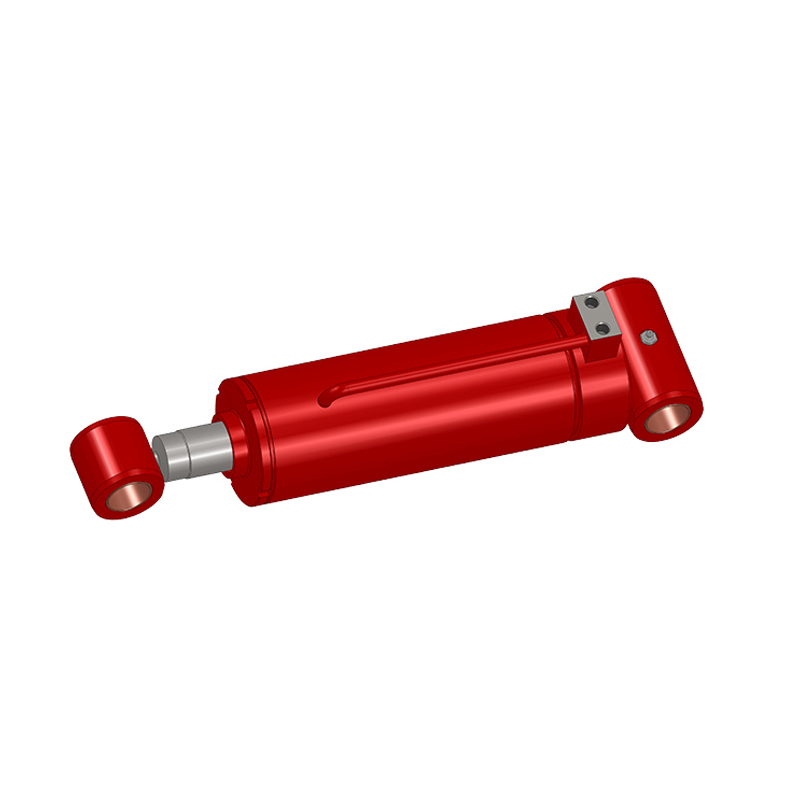
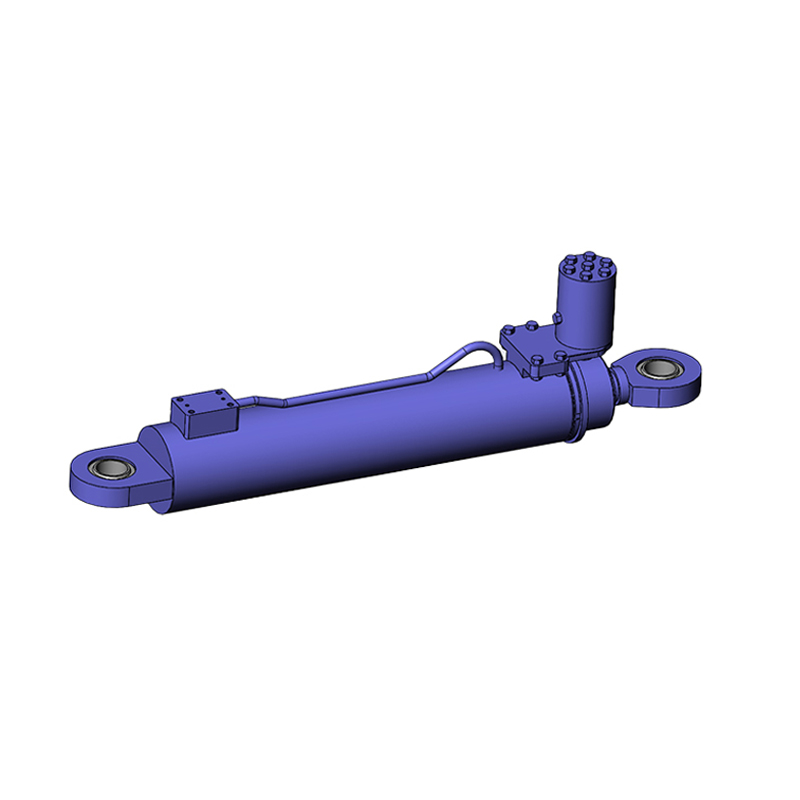
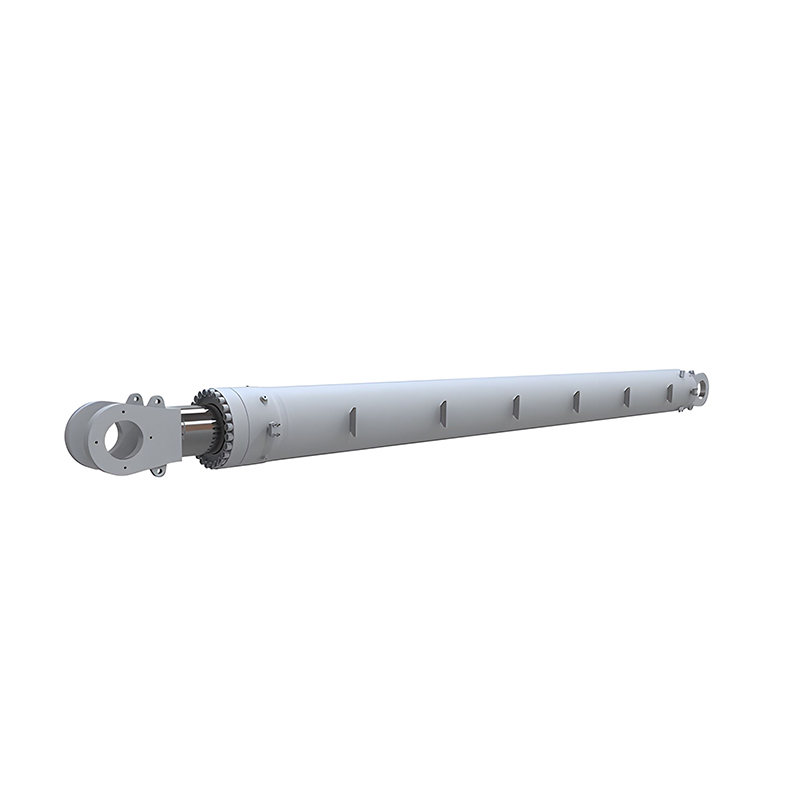
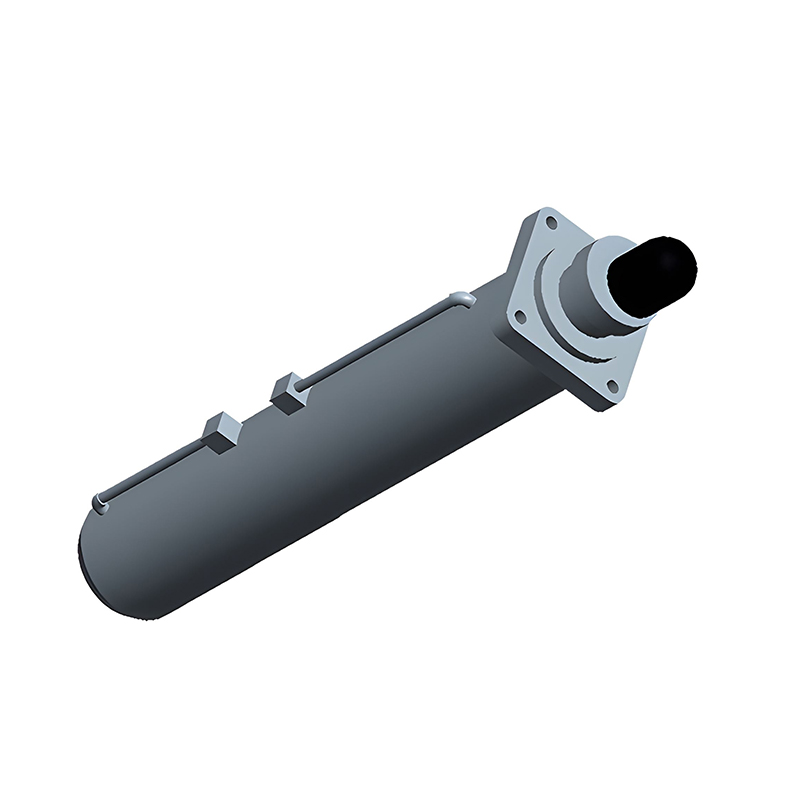
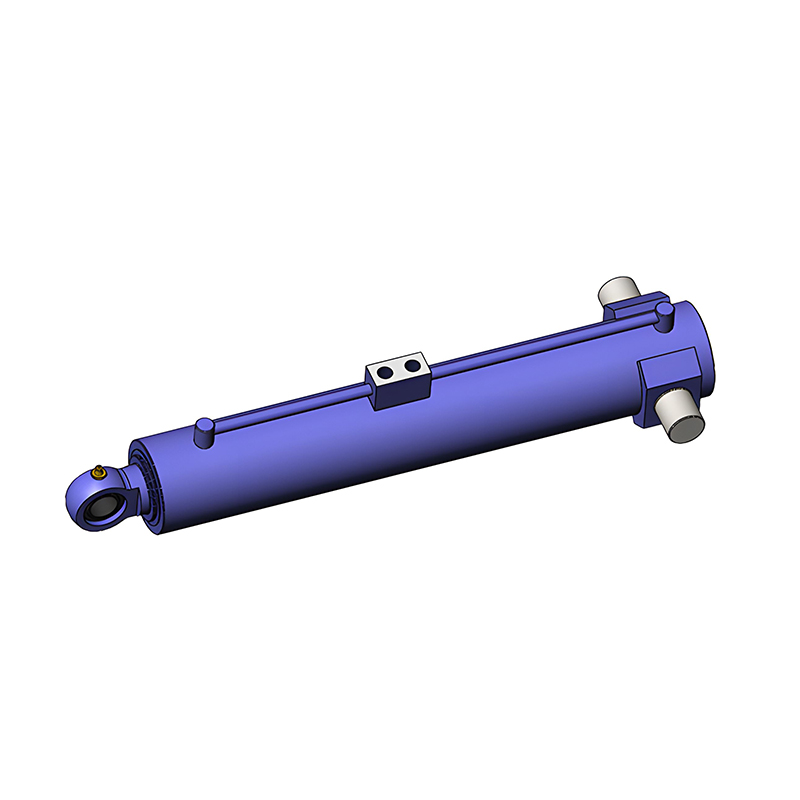
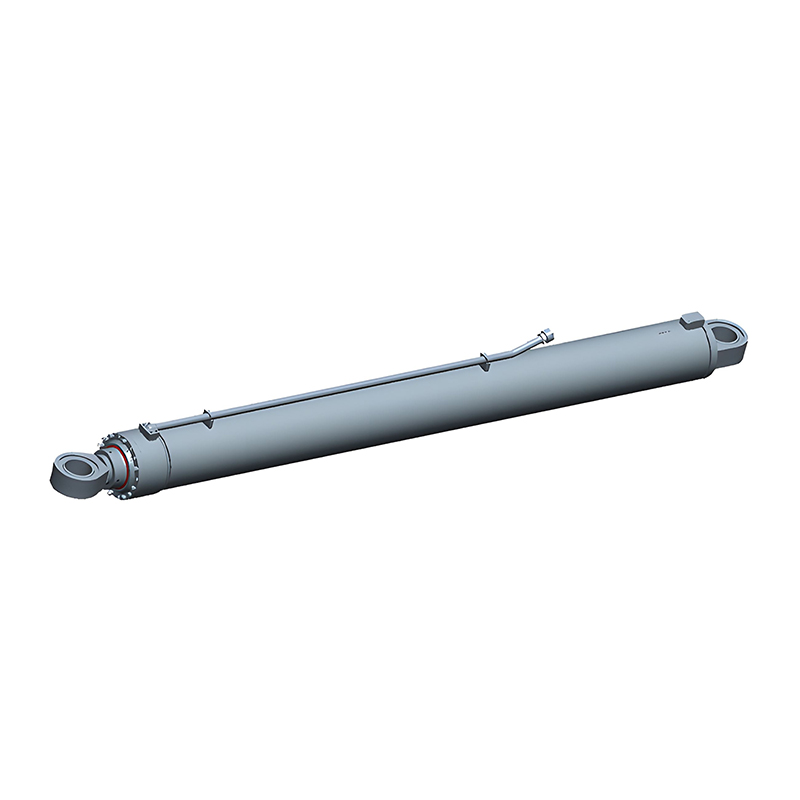
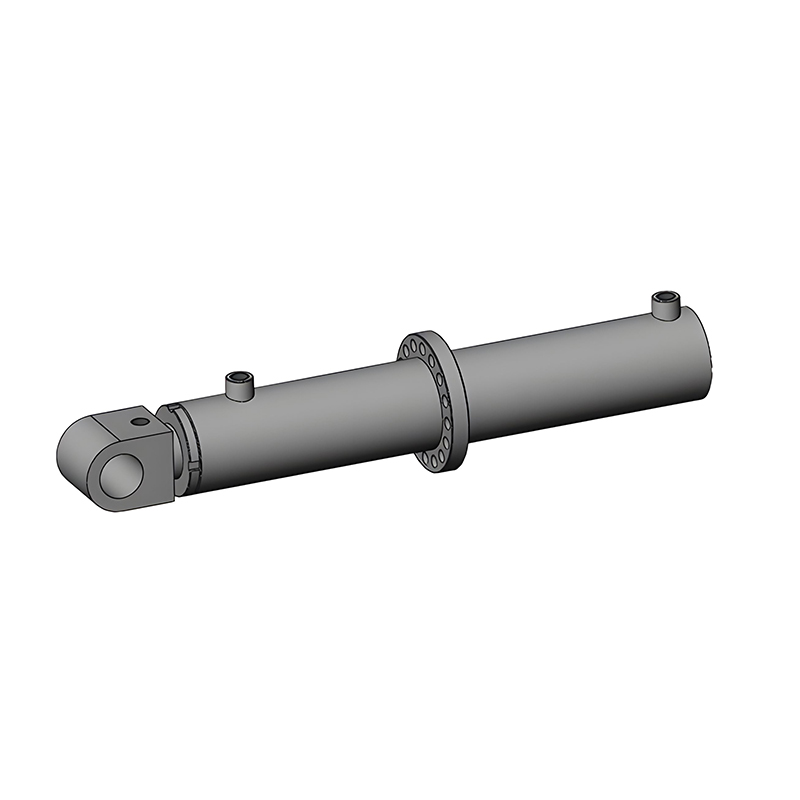
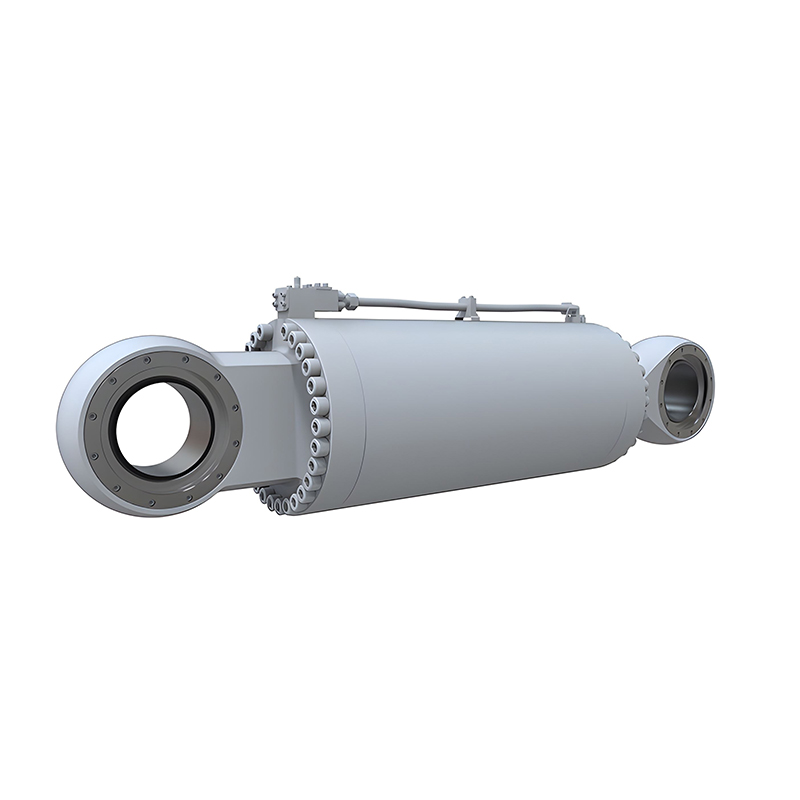
A hydraulic press cylinder is a type of hydraulic cylinder used in a press machine to apply force to a workpiece. It works by converting hydraulic pressure into linear force, which is then used to shape, mold, or compress materials. These cylinders are essential in applications where precise force control is needed, such as metal stamping, forging, and plastic molding.
Hydraulic press cylinders are designed to operate under high pressure, making them ideal for industries that require heavy-duty performance and precise control. The pressure is created by a hydraulic pump that forces fluid into the cylinder, causing the piston inside to move and generate the required force. This mechanism ensures that the force applied is smooth and consistent, which is crucial for achieving accurate results in pressing operations.
In pressing operations, the goal is to apply a consistent amount of force to the material, ensuring that the material is shaped accurately according to the specifications. Hydraulic press cylinders contribute significantly to this process in the following ways:
One of the key advantages of hydraulic press cylinders is their ability to provide precise and controlled force. Unlike mechanical presses, which can experience fluctuations in force due to friction and wear, hydraulic press cylinders maintain a consistent pressure throughout the operation.
Hydraulic systems can be adjusted to apply the exact amount of force needed for each step of the pressing process. This level of control is essential for operations where the material’s shape and size must meet exact specifications. For example, in the automotive industry, precise force is needed to form car body parts, ensuring they fit perfectly during assembly.
Hydraulic press cylinders are designed to provide smooth and even operation, which reduces the likelihood of defects in the workpiece. When force is applied evenly and steadily, the material is less likely to be subjected to uneven stress, which could cause warping or other defects.
This consistency is particularly important in industries like metal stamping, where the material must be shaped without compromising its integrity. By providing smooth and predictable force application, hydraulic press cylinders help ensure that the final product is free from defects and meets the desired quality standards.
Another advantage of hydraulic press cylinders is their ability to work with a wide range of materials, including metals, plastics, rubber, and composites. Different materials require different amounts of force to be shaped or molded, and hydraulic cylinders can be adjusted to meet the specific requirements of each material.
For example, in plastic molding, hydraulic press cylinders can provide the precise force needed to mold plastic components without damaging them. Similarly, in metalworking, hydraulic press cylinders can deliver the high pressure necessary to form metals without causing cracks or imperfections. This adaptability makes hydraulic press cylinders versatile tools in various industries.
In manufacturing, consistency across products is key to maintaining high-quality standards. Hydraulic press cylinders help reduce variation in output by providing consistent force, pressure, and speed throughout the pressing cycle. This consistency ensures that every part produced in the same run will have the same dimensions and properties, which is essential for applications requiring precision, such as in the production of engine parts or electronic components.
By minimizing variation, hydraulic press cylinders contribute to improved product quality and reduce the risk of defects, rework, or waste in the manufacturing process.
Hydraulic systems are known for their stability, especially in high-pressure applications. The use of hydraulic press cylinders provides a stable and reliable method of applying force, which helps improve the overall stability of the pressing process.
Stability in the process is crucial for achieving accurate results, particularly when working with complex geometries or tight tolerances. By providing a steady and reliable force, hydraulic press cylinders ensure that the pressing operation is stable, which leads to more accurate and consistent outcomes in the final product.
Hydraulic press cylinders offer several benefits that help improve the overall performance of pressing operations. These include:
Hydraulic press cylinders help increase the efficiency of pressing operations by providing quick and responsive force application. Because hydraulic systems can be easily controlled and adjusted, operators can optimize the pressing process for maximum speed without sacrificing quality. This allows manufacturers to achieve higher throughput and reduce cycle times, resulting in improved overall efficiency.
The ability to control the force applied by hydraulic press cylinders leads to higher precision in pressing operations. In industries such as aerospace or automotive manufacturing, where high precision is required, hydraulic press cylinders help ensure that parts are produced to the exact specifications. This level of precision is difficult to achieve with other types of presses, making hydraulic cylinders the preferred choice for high-accuracy applications.
Hydraulic press cylinders are known for their energy efficiency, as they require less energy to operate compared to mechanical presses. Hydraulic systems can generate high force with relatively low energy input, making them more energy-efficient and cost-effective in the long run. This is particularly important in industries where energy costs are a significant concern, such as in heavy manufacturing or metalworking.
Hydraulic press cylinders come in a variety of sizes and configurations, making them highly customizable for different applications. Manufacturers can choose cylinders that meet the specific requirements of their operations, whether they need high force for heavy-duty applications or smaller cylinders for more delicate tasks. This customization ensures that hydraulic press cylinders can be optimized for each unique pressing operation.
Choosing the right hydraulic press cylinder for your pressing operation depends on several factors. Here are some key considerations:
The first step in selecting a hydraulic press cylinder is determining the required force and load capacity for your operation. Hydraulic cylinders are available in a range of sizes and force ratings, so it’s important to select a cylinder that can provide the necessary force for your specific task. Choosing a cylinder with too little force can lead to incomplete pressing, while choosing one with too much force may damage the material or equipment.
Hydraulic press cylinders operate under high pressure, so it’s essential to choose a cylinder that can handle the required pressure for your operation. Make sure the cylinder’s pressure rating matches the needs of your hydraulic system to ensure reliable and safe operation.
Consider the materials you will be pressing when selecting a hydraulic press cylinder. Different materials require different force levels and processing conditions. Make sure the hydraulic cylinder you choose is compatible with the materials you are working with to ensure optimal results.
Finally, consider the durability and maintenance requirements of the hydraulic press cylinder. Look for cylinders that are built to last and are designed for easy maintenance. Proper maintenance will help extend the lifespan of the cylinder and ensure consistent performance over time.

Copyright © Jiangsu Hengcai Hydraulic Mechanical Co., Ltd. All Rights Reserved.
 Custom Hydraulic Cylinders Manufacturers