English
 中文简体
中文简体 русский
 عربى
عربىOuick Product Search
Provide Hengcai OEM program, product name and other information. The content of this information is for reference only.
2026-07-29
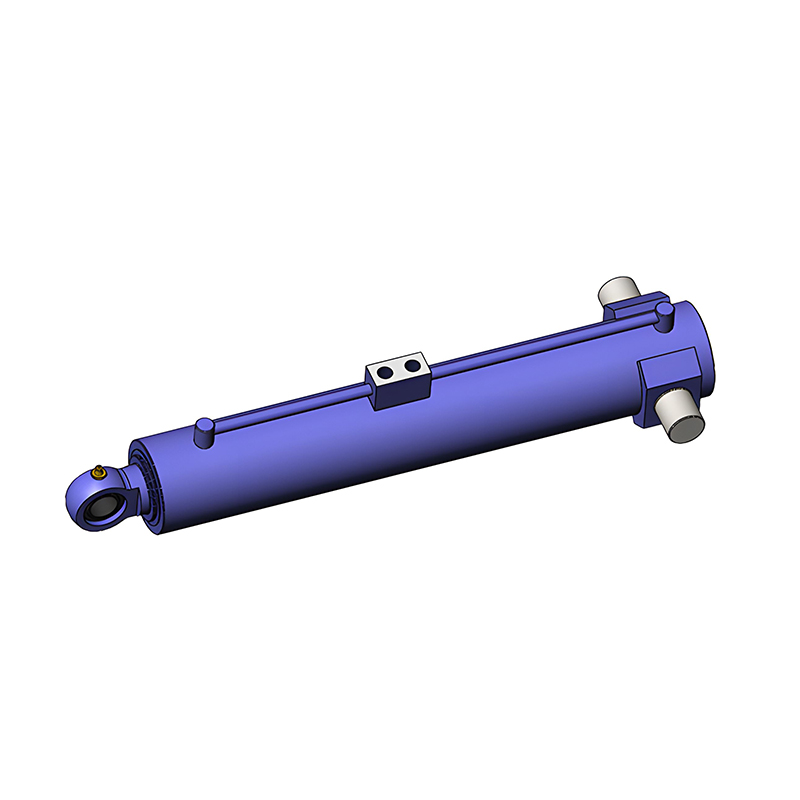
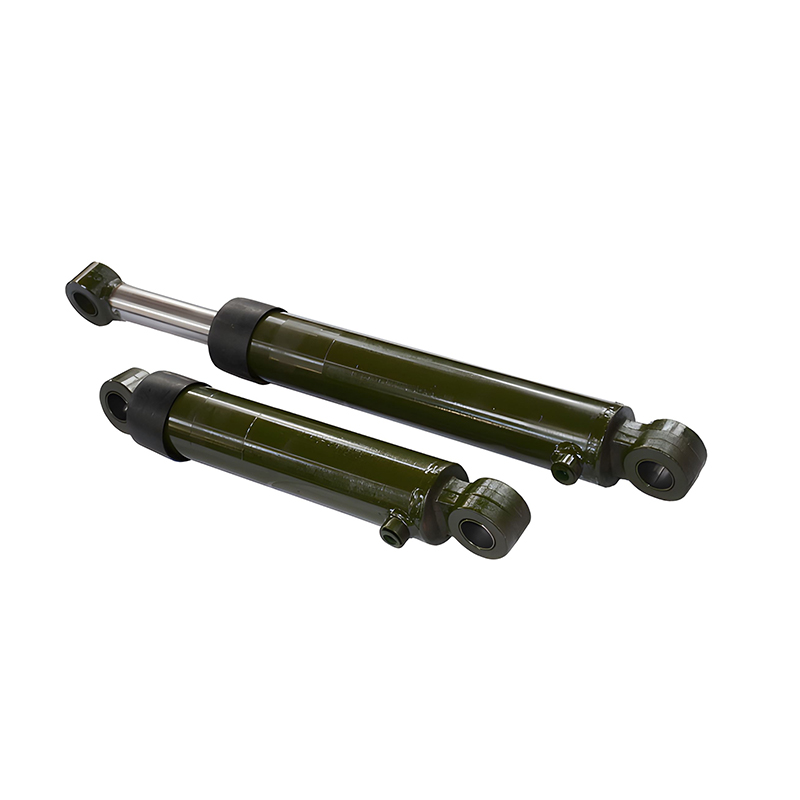
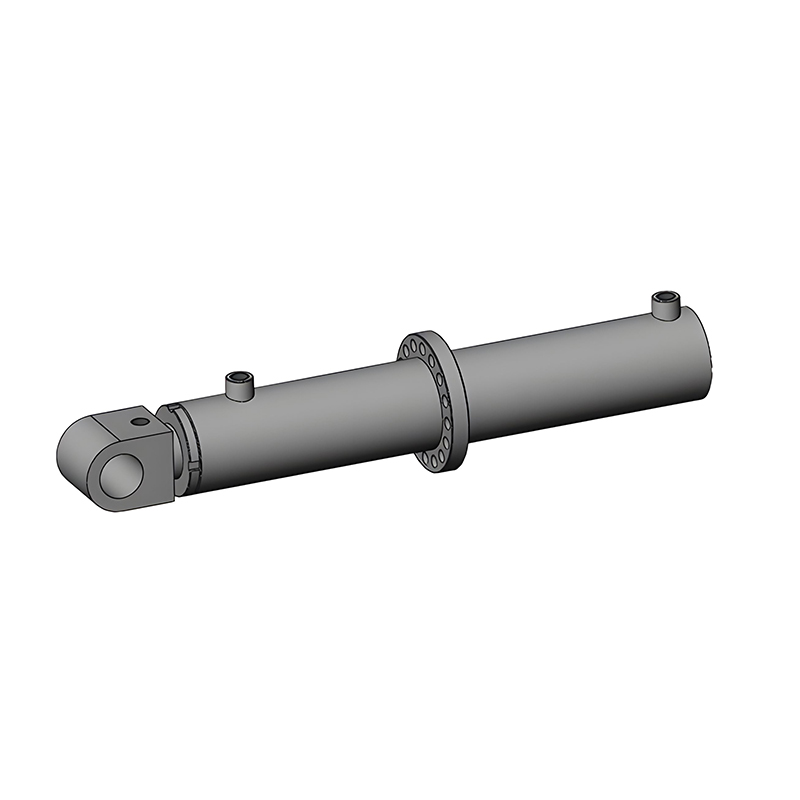
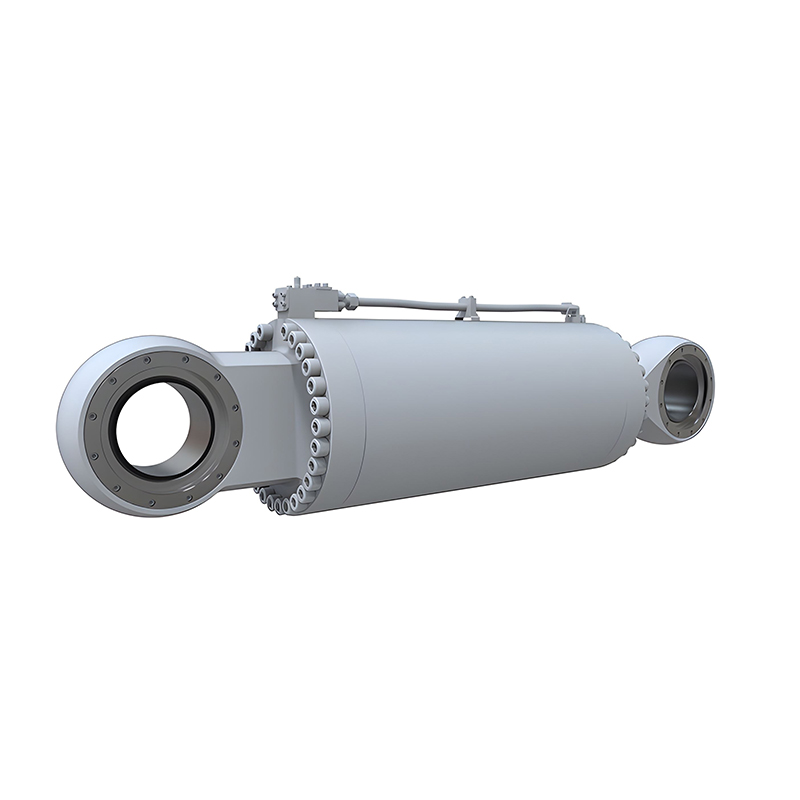
A logistics equipment hydraulic cylinder is the sealed, pressure-rated actuator — lift, tilt, steering, or telescopic — that converts hydraulic fluid pressure into the linear force forklifts, dock levelers, scissor lifts, and tail lifts use to raise, tilt, and position loads. Most operate between 2,000–3,000 PSI (14–21 MPa) for standard forklift circuits and up to 3,500 PSI for heavy dock and lift equipment, and the single biggest driver of premature failure is fluid contamination, not metal fatigue.
Below: how to match a cylinder to your equipment, why most failures start in the seal rather than the barrel, and what specification data actually protects your warranty.
"Logistics equipment hydraulic cylinder" isn't one product — it's a category that splits into distinct mechanical roles depending on what the equipment moves and how. Buying the wrong type for the job is the most common and most expensive sourcing mistake, because a mismatched cylinder can meet the pressure spec on paper and still fail within months under the wrong load direction.
| Cylinder Type | Typical Equipment | Action Type | Primary Function |
|---|---|---|---|
| Lift Cylinder | Forklifts, order pickers | Single-acting | Raises the mast carriage and load vertically |
| Tilt Cylinder | Forklifts, reach trucks | Double-acting | Angles the mast forward/back to stabilize loads |
| Steering Cylinder | Forklifts, tow tractors | Double-acting | Drives the power-steering linkage |
| Telescopic Cylinder | Tail lifts, tipping trailers | Multi-stage | Extends long stroke in a compact retracted length |
| Scissor-Lift Cylinder | Dock levelers, pallet lifts | Double-acting | Drives the platform through its vertical travel |
| Lip-Extension Cylinder | Dock levelers | Double-acting | Extends/retracts the telescoping lip to meet the truck bed |
The lift cylinder carries the highest fluid volume and the highest duty cycle of the three forklift cylinders, since it moves on nearly every pallet transaction. On a warehouse forklift running 10–12 hours a day, that single cylinder can log over 600 lifting cycles in a shift — which is why lift cylinders are usually the first component to show wear, and the first spec buyers should verify against actual cycle counts, not just tonnage rating.
Two numbers on a spec sheet — working pressure and stroke length — determine whether a cylinder survives your duty cycle or fails inside the warranty window. Neither should be taken from a generic catalog entry; both need to match your specific equipment's hydraulic circuit and lift height.
Stroke length is the distance the piston travels, and it directly sets how high a mast lifts or how far a platform rises. Forklift capacities generally range from roughly 3,000 to 15,000 lbs for standard models, with heavy-duty and construction-site variants exceeding that — and every increase in rated capacity has to be paired with a longer stroke and a heavier load rating on the cylinder, or the barrel and rod will be operating outside their design margin even while lifting well within the truck's stated tonnage.
Sourcing rule of thumb: Match the cylinder to the equipment's rated capacity plus stroke length first, then confirm bore diameter and rod material second. A cylinder that's pressure-rated correctly but under-stroked for your mast height will bottom out prematurely and take seal damage on every full-extension cycle.
Most logistics equipment hydraulic cylinders don't fail from metal fatigue — they fail from what's flowing through them. Fluid contamination is consistently identified as the leading cause of hydraulic cylinder failure across independent maintenance studies, ahead of pressure spikes, misalignment, or manufacturing defects.
A cylinder that avoids all six of these is capable of well over 200,000 lifting cycles in continuous service — a benchmark drawn from real 3-ton warehouse forklift deployments running 10–12 hour shifts — with sealing performance staying stable and no measurable increase in downtime across that run.
Buyers sourcing for automated warehouses, cross-dock facilities, and high-throughput distribution centers are optimizing for cycle life first, tonnage second — because a cylinder that's technically rated for the load but not built for the frequency will be the one that triggers unplanned downtime.
| Specification to Request | Why It Matters for High-Cycle Use |
|---|---|
| Hard chrome-plated rod | Resists scoring and corrosion under repeated extension/retraction |
| Precision-honed bore | Reduces internal friction and seal wear across high cycle counts |
| Documented cycle-test data | Confirms performance at your actual duty cycle, not a generic rating |
| Sealing system spec (compound + design) | Determines contamination resistance and rebuild interval |
| Emergency velocity fuse (for lift/platform equipment) | Stops uncontrolled descent if a hydraulic line fails |
| Warranty period tied to cycle count, not just time | Time-only warranties don't reflect high-frequency operations |
For dock levelers and scissor lift platforms specifically, an emergency velocity fuse at the cylinder base is a standard safety feature that shuts down flow instantly if a hydraulic line ruptures, preventing the platform from free-falling under load. This is a non-negotiable spec for any lift platform cylinder, regardless of tonnage.
Preventive maintenance is the dominant strategy across manufacturing and logistics operations, and for good reason — catching a worn seal before it fails costs a fraction of an emergency cylinder swap plus the downtime it causes.
Repair-vs-replace decision point: If a visual inspection with a clean finger finds a bore scratch deeper than a fingernail, repair is not cost-effective — internal scoring causes ongoing leakage regardless of seal quality, and the unit should be replaced rather than resealed.
Because logistics operations rarely run one type of equipment, sourcing decisions usually need to cover several cylinder categories at once — and each has a different failure profile worth planning around.
Highest cycle frequency of any category here; prioritize hard chrome rods and documented cycle-test data over marginal pressure headroom.
Safety-critical due to platform load; an emergency velocity fuse and overload relief valve are baseline requirements, not upgrades.
Multi-stage design means seal count is higher per unit — verify seal specification at every stage, not just the primary bore.
Lower load but continuous fine-motion cycling; precision honing and low-friction seals matter more than raw pressure rating.
Under proper maintenance and clean fluid conditions, a correctly specified lift cylinder can exceed 200,000 lifting cycles — roughly 12 months of continuous 10–12 hour daily use on a warehouse forklift — before requiring a reseal.
No. Lift cylinders are single-acting and built for high-volume one-direction force; tilt cylinders are double-acting and built for controlled bidirectional movement. They use different sealing systems and are not interchangeable.
Given that fluid contamination is the leading cause of cylinder failure, fluid cleanliness should be checked on the same fixed schedule as seal inspection — not only when a leak or performance drop is already visible.
We manufacture Logistics Equipment Hydraulic Cylinders alongside Construction, Sanitation, Marine, and Coal Mine Hydraulic Cylinders — every unit specified against your actual load, stroke, and cycle requirements.
Request a Cylinder Specification Quote
Copyright © Jiangsu Hengcai Hydraulic Mechanical Co., Ltd. All Rights Reserved.
 Custom Hydraulic Cylinders Manufacturers