English
 中文简体
中文简体 русский
 عربى
عربىOuick Product Search
Provide Hengcai OEM program, product name and other information. The content of this information is for reference only.
2026-08-05
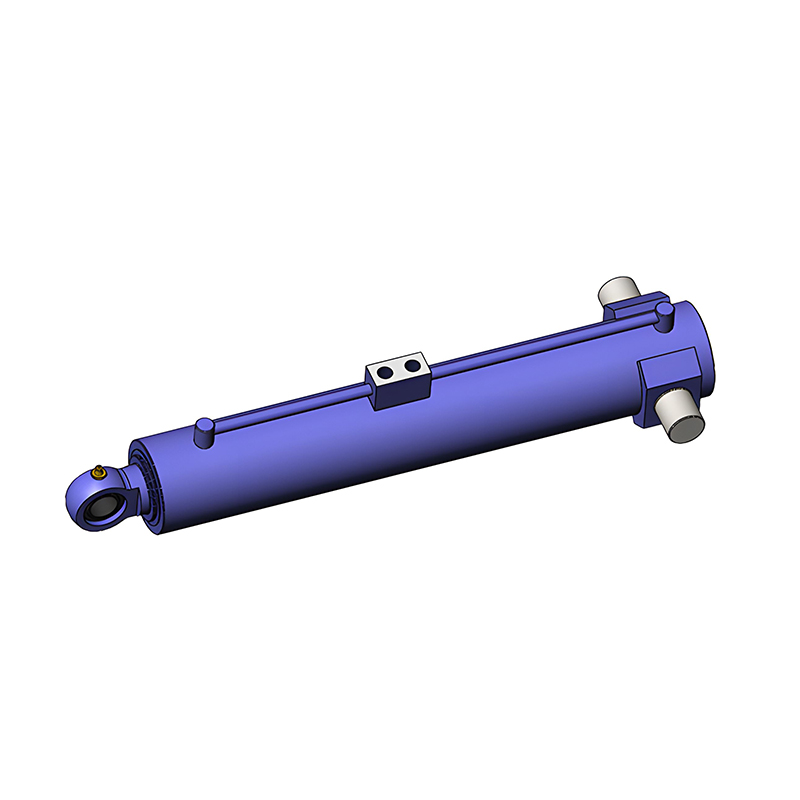
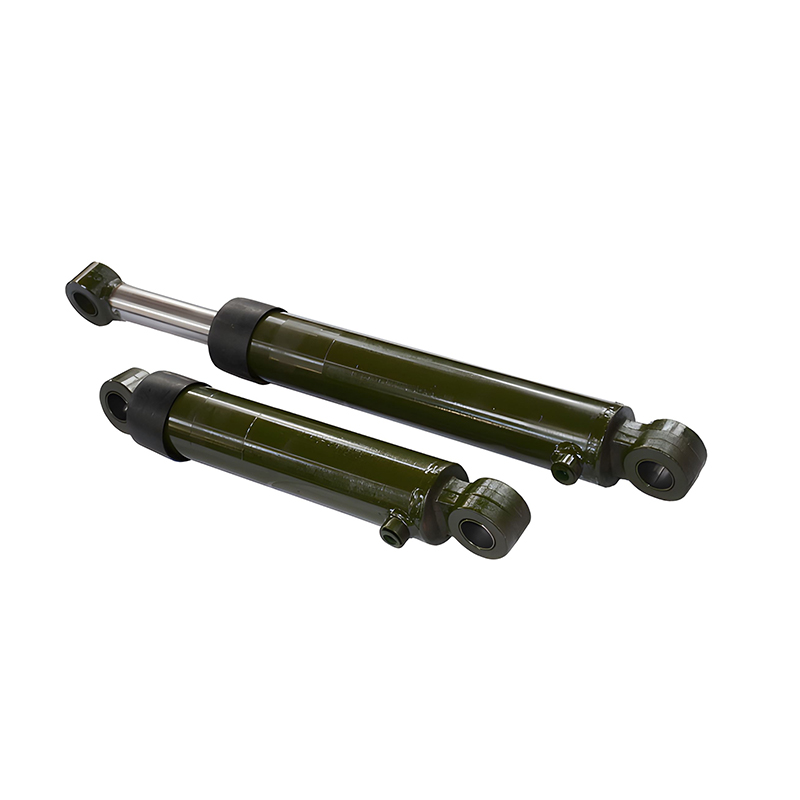
Hydraulic cylinders are the primary force-generating components in modern agricultural machinery. They convert hydraulic pressure into linear mechanical force, enabling tractors, harvesters, planters, and loaders to lift, push, tilt, and clamp with the power and precision that manual or mechanical systems cannot match. Without reliable hydraulic cylinders, most field operations on modern farms would be impossible to perform at scale.
Choosing the right hydraulic cylinder — or diagnosing one that is failing — requires understanding how these components are specified, what stresses agricultural use places on them, and what distinguishes a cylinder built for farm equipment from a generic industrial unit. This guide covers all of that in practical terms.
A hydraulic cylinder operates on Pascal's Law: pressure applied to a confined fluid is transmitted equally in all directions. When a tractor's hydraulic pump pressurizes oil and directs it into a cylinder, that pressure acts on the piston face and generates force. The output force is determined by the formula: Force = Pressure × Piston Area.
For example, a cylinder with a 4-inch bore operating at 2,500 psi generates approximately 31,400 pounds of push force — enough to lift a fully loaded implement, drive a tillage tool through compacted soil, or power a bale wrapper arm through thousands of daily cycles.
The two main cylinder types used in agricultural machinery are:
Telescopic cylinders — which extend in multiple stages — are also used in agricultural tipper trailers and grain carts where a long stroke is needed from a compact retracted length.
Selecting or replacing a hydraulic cylinder on farm equipment requires matching several critical specifications. Getting any one of these wrong can result in inadequate force, premature seal failure, or structural damage to the implement.
| Specification | Typical Range (Agricultural) | Why It Matters |
|---|---|---|
| Bore diameter | 1.5" – 6" | Determines push force at a given pressure |
| Rod diameter | 0.75" – 3.5" | Affects pull force and column strength under side load |
| Stroke length | 4" – 72" | Must match the required range of implement movement |
| Operating pressure | 1,500 – 3,500 psi | Must match the tractor's hydraulic system output |
| Mounting style | Clevis, trunnion, flange, tang | Determines how load is transferred and whether misalignment is tolerated |
| Seal material | Nitrile, polyurethane, PTFE | Affects temperature range, wear life, and fluid compatibility |
| Rod surface finish | 16–32 Ra microinch | Critical for seal life; too rough or too smooth causes premature seal wear |
When replacing a cylinder, always measure the existing unit's bore, rod, and stroke from the physical component — not from a parts catalog — since wear, prior repairs, or non-OEM replacements may mean the installed cylinder no longer matches the original specification.
Modern farm equipment relies on hydraulic cylinders across virtually every system. Understanding which cylinder serves which function helps in diagnosing problems and prioritizing maintenance:
Agricultural cylinders operate under conditions that accelerate wear compared to many industrial applications: abrasive dust and grit, wide temperature swings, shock loading from hard ground, and seasonal periods of intense use followed by extended storage. The most common failure modes are predictable and detectable before they cause a breakdown in the field.
The rod seal is the most frequently replaced component in any hydraulic cylinder. It is exposed to the rod surface on every stroke and to the external environment — including dust, mud, crop debris, and UV — when the rod is extended. A weeping rod seal that leaves an oil film on the rod is an early warning sign; a seal that allows visible oil to drip or run is already at failure.
Rod seal failure is accelerated by a scored or pitted rod surface, which cuts the seal lip on every retraction cycle. If a new seal fails within hours or days of installation, inspect the rod surface carefully — a seal kit alone will not fix a damaged rod.
When the piston seal wears or is damaged, hydraulic oil bypasses from the high-pressure side to the low-pressure side of the piston without doing useful work. Symptoms include a cylinder that drifts or slowly collapses under load, struggles to extend fully, or requires unusually high pump flow to complete its stroke. This is a piston seal issue, not a pump issue — confirm by disconnecting the load and observing whether the cylinder holds position with hydraulic pressure applied.
Side loads — forces applied at an angle to the cylinder's axis — are the primary cause of bent rods in agricultural cylinders. This happens when an implement contacts an obstruction, when a cylinder is mounted with incorrect alignment, or when the attachment geometry changes under load. A bent rod damages the rod seal and wiper on every stroke and eventually scores the barrel bore. A visibly bent or bowed rod is not repairable in the field — the cylinder must be replaced or professionally re-rodded.
Not all hydraulic cylinders are built to the same standard. Agricultural cylinders must withstand conditions that would be unusual in clean factory or workshop environments. Key construction features that distinguish a farm-grade cylinder from a light-duty or generic replacement include:
Hydraulic cylinders on farm equipment rarely fail without warning. A consistent maintenance routine catches problems early and avoids mid-season failures at the worst possible time.
OEM (Original Equipment Manufacturer) hydraulic cylinders are designed and validated for the specific implement, load cycle, and hydraulic system they are paired with. They carry the full manufacturer warranty and are guaranteed to fit without modification. The trade-off is cost — OEM cylinders for major brands like John Deere, CNH, or AGCO can run two to four times the price of a quality aftermarket equivalent.
Quality aftermarket cylinders from established hydraulic suppliers can match OEM specifications in bore, rod, stroke, and seal materials while offering significant cost savings. The risk is in lower-quality imports where the chrome thickness, seal compound, and internal tolerances do not match OEM standards — these may fail within one season rather than lasting the 5–10 years a well-built cylinder should achieve in normal farm use.
When selecting an aftermarket cylinder, request documentation on chrome plating thickness, seal material specification, and operating pressure rating. A reputable supplier will provide these; one that cannot is unlikely to be supplying a farm-grade product regardless of the price.

Copyright © Jiangsu Hengcai Hydraulic Mechanical Co., Ltd. All Rights Reserved.
 Custom Hydraulic Cylinders Manufacturers