English
 中文简体
中文简体 русский
 عربى
عربىOuick Product Search
Provide Hengcai OEM program, product name and other information. The content of this information is for reference only.
2025-12-17
In the world of construction and heavy industries, engineering machinery cylinders are crucial components that ensure the efficient operation of various machines and equipment. Whether it's a bulldozer, excavator, or crane, hydraulic cylinders and other types of engineering machinery cylinders provide the necessary power and precision to carry out complex tasks. Understanding the different types of engineering machinery cylinders and their applications can help businesses make informed decisions when selecting the right components for their machines.
Engineering machinery cylinders are devices that convert hydraulic, pneumatic, or mechanical energy into linear motion to perform various tasks in industrial machines. These cylinders are typically a part of the hydraulic system, which is used extensively in construction, mining, agriculture, and other heavy-duty sectors. The design of the cylinder allows it to exert force and control motion, enabling machines to lift, push, pull, or rotate heavy loads.
There are different types of engineering machinery cylinders, each tailored for specific uses based on size, load capacity, and environment. Understanding these cylinders' structure and function can help users select the best option for their machinery.
Single-acting cylinders are one of the most basic types of hydraulic cylinders. They only use hydraulic force to extend the piston, while the retraction is powered by a spring or an external force such as gravity. Single-acting cylinders are commonly used in applications where movement in only one direction is required, such as in simple lifting operations or pushing tasks.
Applications:
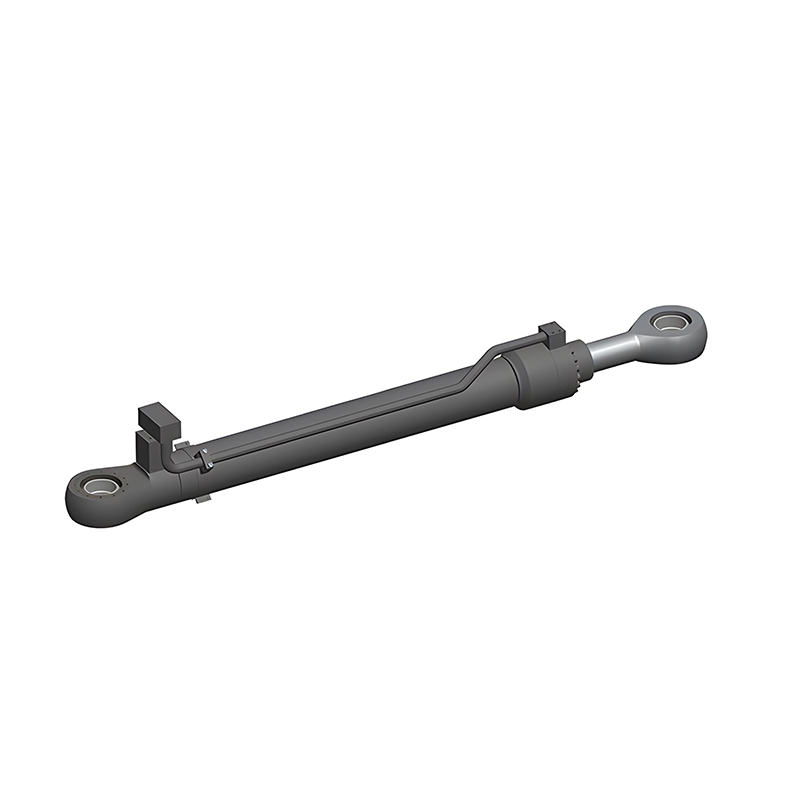
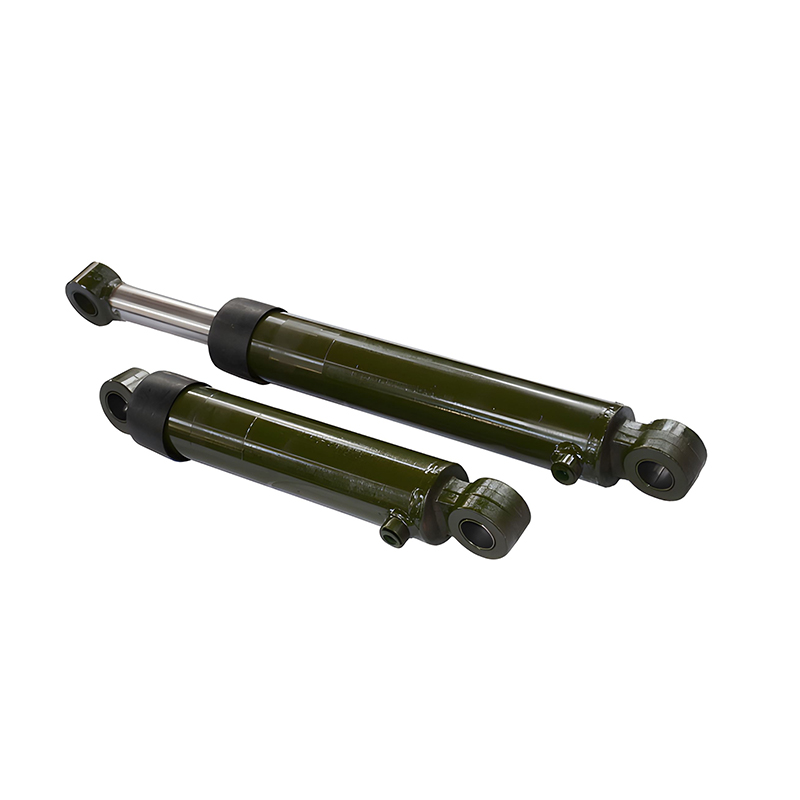
Double-acting cylinders are the most widely used type in engineering machinery. Unlike single-acting cylinders, double-acting cylinders use hydraulic force to extend and retract the piston. This type of cylinder is used for applications that require precise control over both the extension and retraction movements.
Applications:
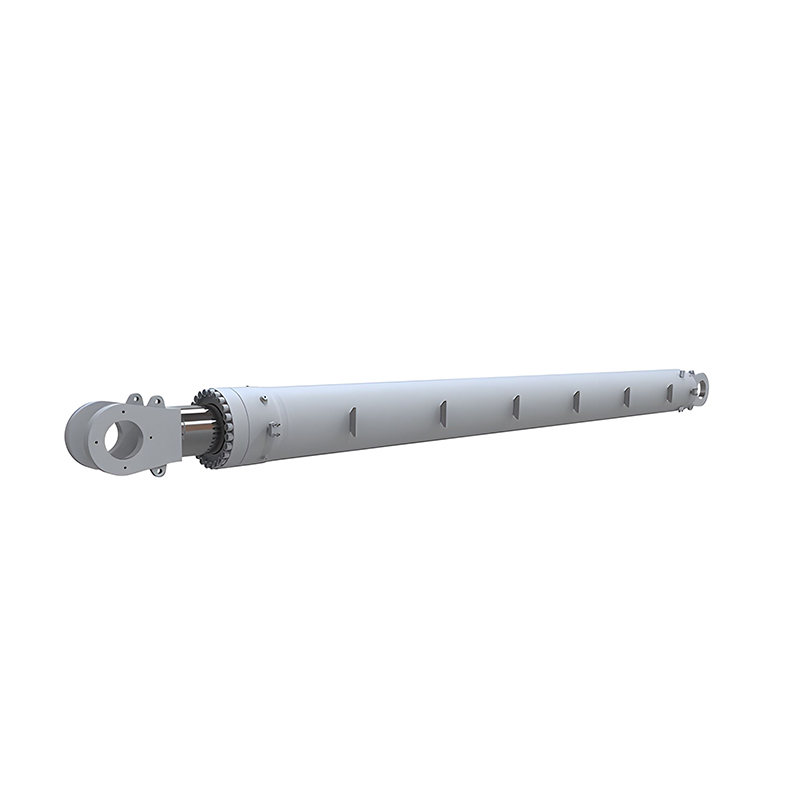
Telescoping cylinders consist of multiple nested cylinders, which extend in stages, allowing for a long stroke in a compact form. These cylinders are ideal for applications that require long extensions in tight spaces. Telescoping cylinders are typically used when there is a need for high lift in confined spaces or when the equipment needs to extend over long distances.
Applications:
Rodless cylinders, unlike traditional cylinders that use a rod to transfer motion, use a carriage system that moves along a track. These cylinders are often used in applications where a traditional piston rod is not feasible due to space limitations or design constraints. They can provide a long stroke length in a compact design and are often found in automated systems and precision machinery.
Applications:
Pneumatic cylinders use compressed air to produce linear motion. These cylinders are simpler and often lighter than hydraulic cylinders, making them suitable for applications where high force is not required. Pneumatic cylinders are used in various light-duty applications where high-speed, repetitive motion is needed.
Applications:
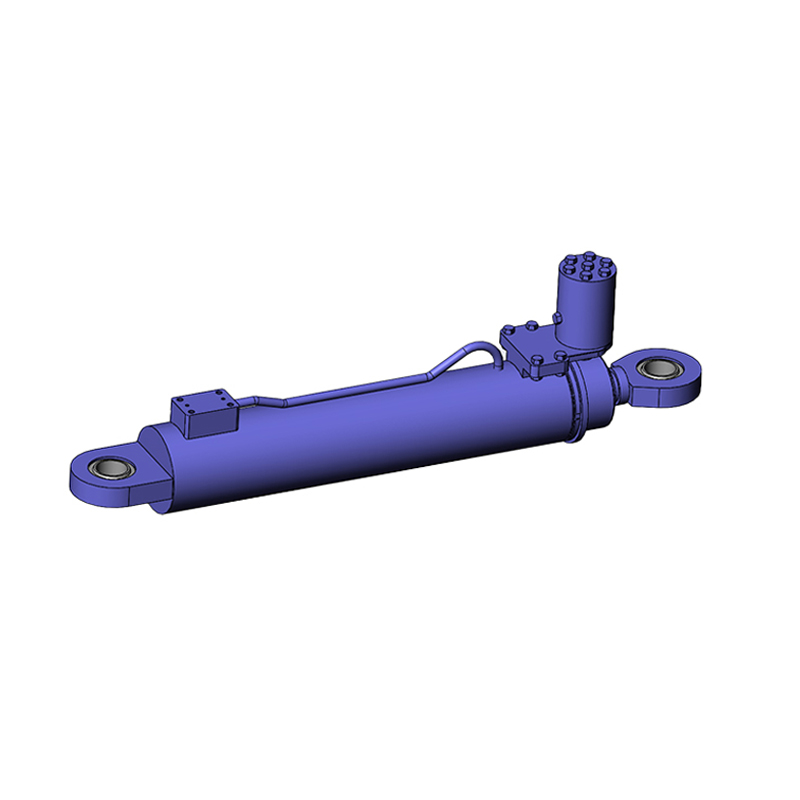
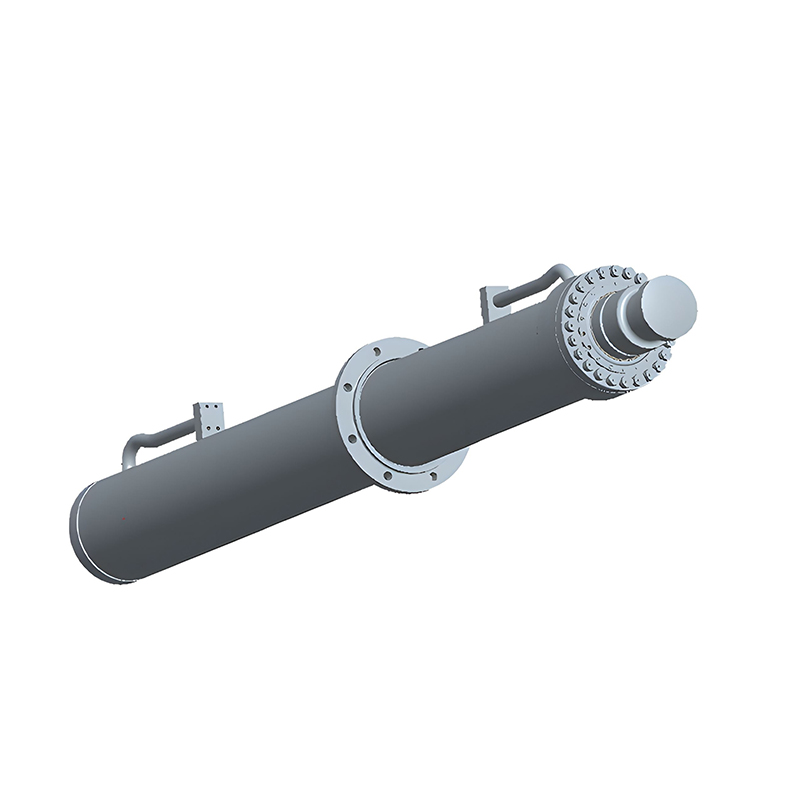
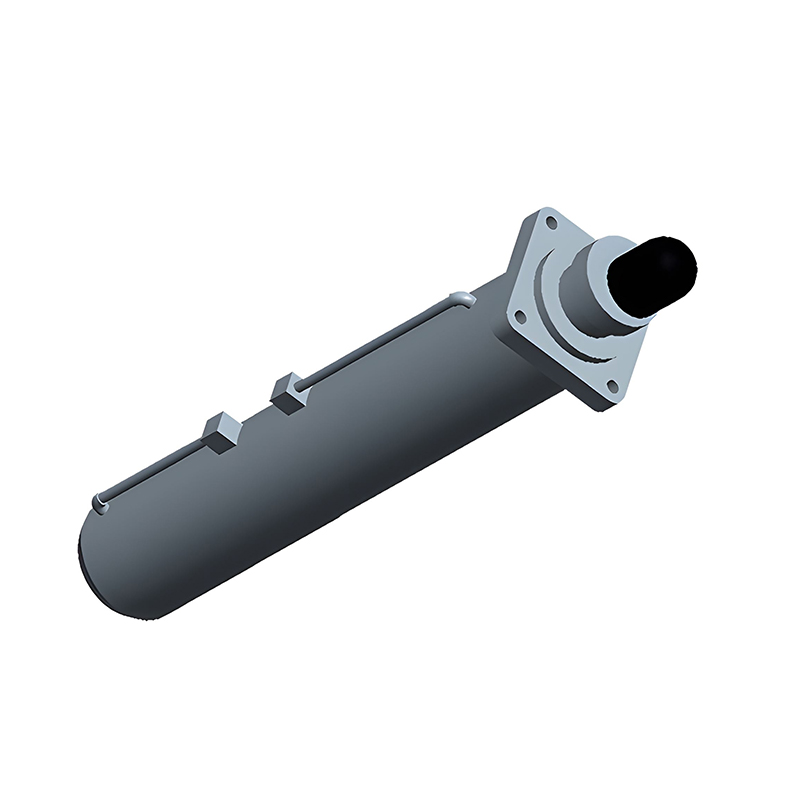
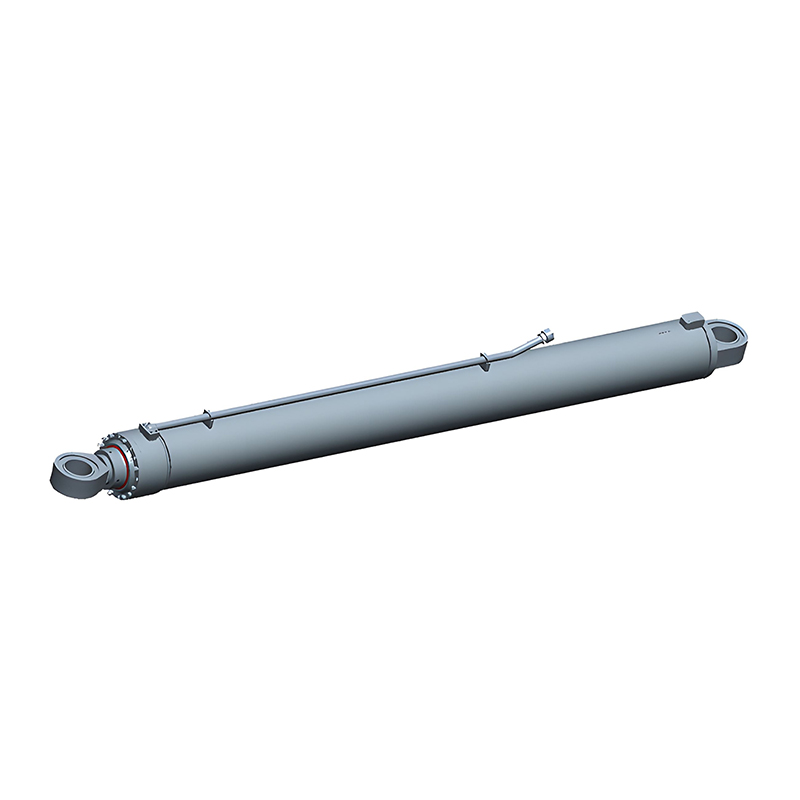
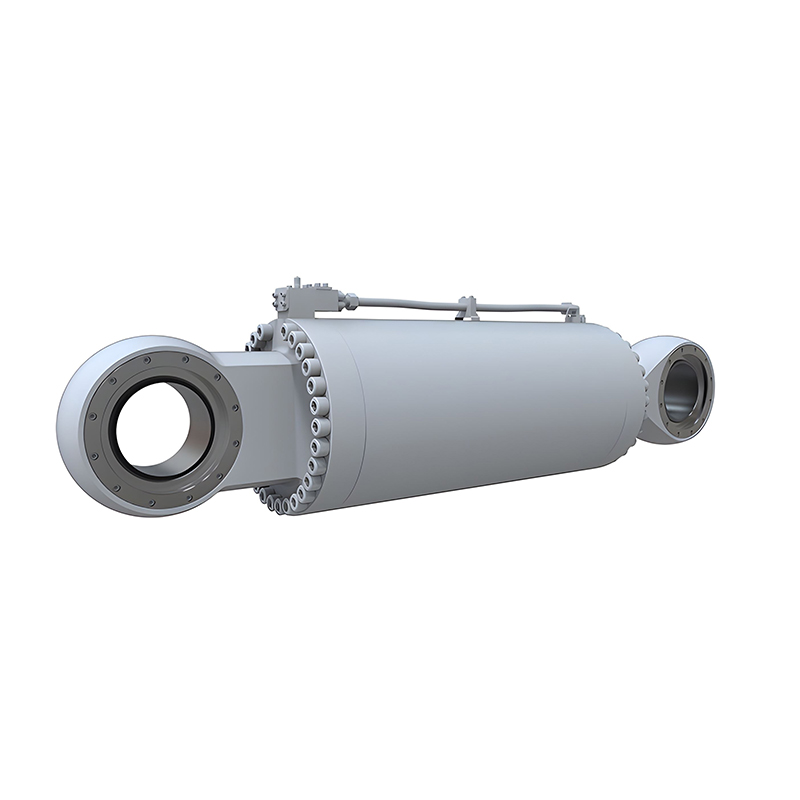
Hydraulic cylinders are a type of engineering machinery cylinder that use hydraulic fluid to create high force and motion. These cylinders are more powerful and suitable for heavy-duty applications where significant force is required. Hydraulic cylinders are used in virtually all sectors that require heavy lifting, pushing, or pulling tasks.
Applications:
Engineering machinery cylinders are versatile and play critical roles in various industries. Let’s examine some key sectors and their applications in more detail.
In the construction industry, machinery cylinders are essential for performing tasks such as digging, lifting, and positioning. Hydraulic cylinders are widely used in excavators, bulldozers, backhoes, and cranes. These cylinders allow precise control over heavy loads and ensure that construction tasks can be carried out safely and efficiently.
For example, in an excavator, hydraulic cylinders control the movement of the arm, boom, and bucket, allowing the machine to dig, lift, and place materials with high accuracy. Similarly, cranes rely on hydraulic cylinders to lift and lower loads, ensuring stability and safety during lifting operations.
Mining operations often involve working in harsh environments where heavy-duty equipment is required to move large amounts of earth and materials. Hydraulic cylinders are used in mining trucks, drilling rigs, and crushers. They allow operators to perform lifting, pushing, and drilling operations with high precision and force.
For instance, in mining trucks, hydraulic cylinders help in tipping the truck bed to unload materials. Hydraulic cylinders also play a key role in the movement of drilling rigs, allowing for deep penetration into the earth.
Agriculture is another sector where engineering machinery cylinders play a pivotal role. Modern tractors, combine harvesters, and plows all rely on hydraulic and pneumatic cylinders to perform tasks such as lifting, pushing, and turning. These cylinders allow farmers to automate and increase the efficiency of their operations.
For example, hydraulic cylinders in combine harvesters are used for adjusting the header height, while pneumatic cylinders can help control various attachment functions, such as seed planting or material transport.
In industrial settings, engineering machinery cylinders are crucial for performing tasks that require precise motion and control. Manufacturing processes such as stamping, molding, and metalworking often rely on hydraulic cylinders to apply consistent force in controlled environments. These cylinders enable the operation of large machines that shape and form materials like metal, plastic, and composites.
When choosing engineering machinery cylinders for a specific application, several factors need to be considered, including:

Copyright © Jiangsu Hengcai Hydraulic Mechanical Co., Ltd. All Rights Reserved.
 Custom Hydraulic Cylinders Manufacturers