English
 中文简体
中文简体 русский
 عربى
عربىOuick Product Search
Provide Hengcai OEM program, product name and other information. The content of this information is for reference only.
2025-12-10
As industries around the world continue to evolve and expand, the demand for reliable and high-performance industrial equipment has surged. Hydraulic cylinders, essential components in many types of machinery, play a critical role in ensuring that construction, manufacturing, and agricultural equipment operate efficiently and safely. To meet this increasing demand, hydraulic cylinder source factory have adopted innovative production techniques, streamlined supply chains, and improved quality control processes.
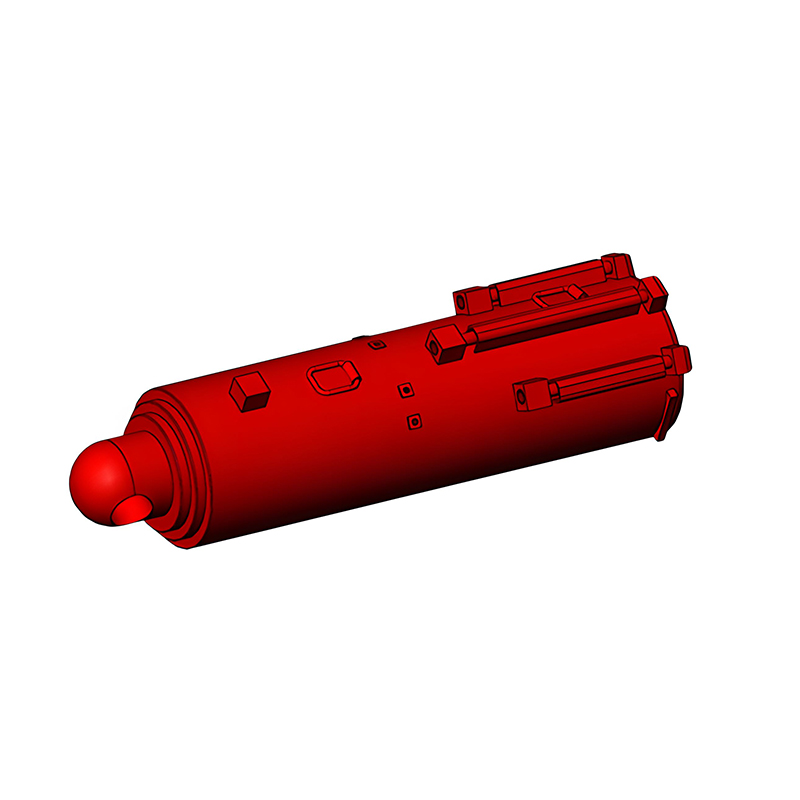
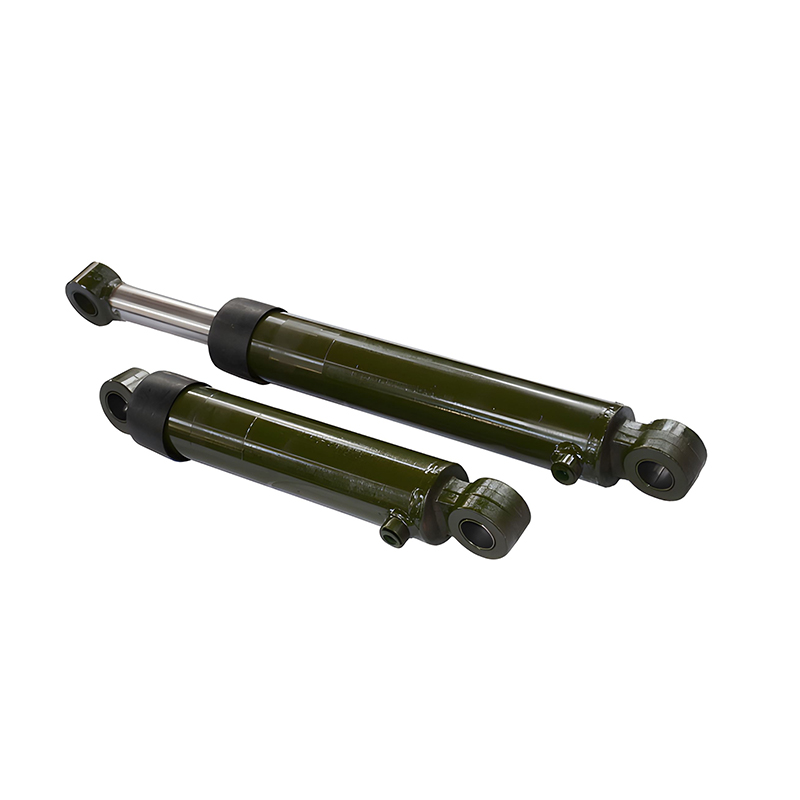
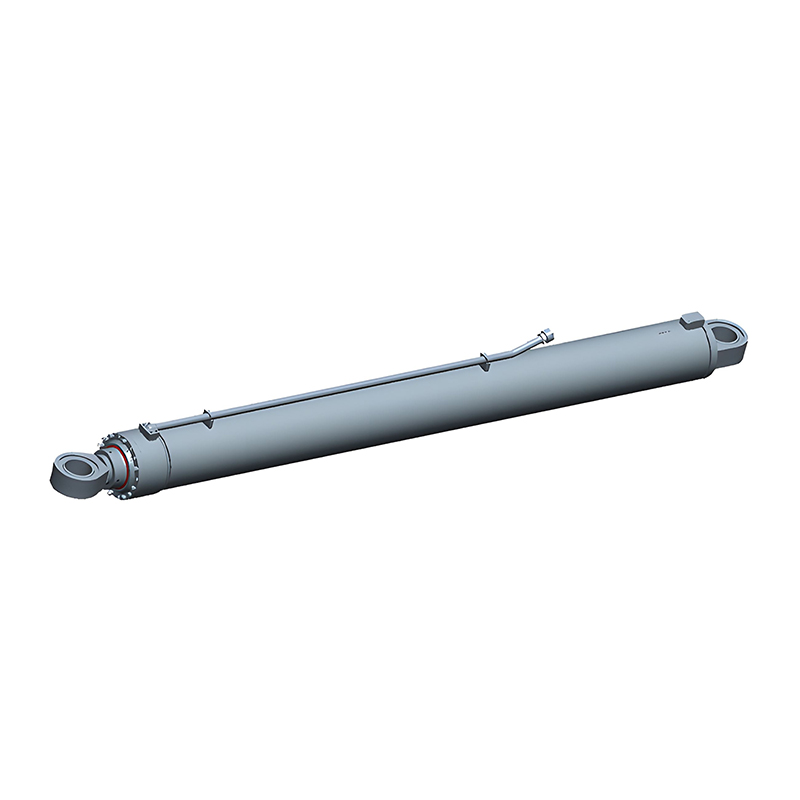
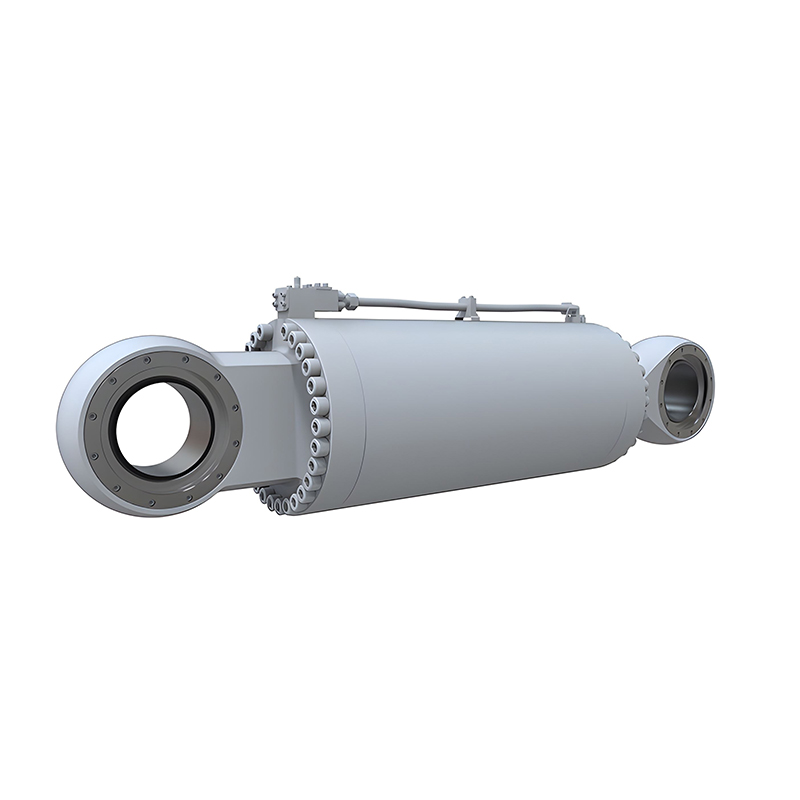
Hydraulic cylinders are used in a wide range of machinery, from cranes and excavators to agricultural machinery and manufacturing equipment. These cylinders are responsible for converting hydraulic energy into mechanical force, enabling equipment to perform a variety of tasks such as lifting, pushing, or pulling heavy loads. Due to their versatility and durability, hydraulic cylinders are found in nearly every heavy-duty industry.
The rise in infrastructure development, agricultural automation, and industrial manufacturing has led to an increased need for high-quality hydraulic cylinders. This, in turn, has placed pressure on manufacturers to enhance their production capabilities and deliver products that meet rigorous performance standards.
Hydraulic cylinder source factories are responding to the growing demand for industrial equipment by optimizing their manufacturing processes, expanding their capacity, and focusing on customer-specific requirements. Here are some of the key strategies that these factories are employing to meet the industry's evolving needs:
One of the most significant ways hydraulic cylinder factories are addressing increased demand is through the adoption of advanced manufacturing technologies. Automated systems, robotics, and precision machinery have made it possible to produce hydraulic cylinders more quickly and with greater accuracy. This not only speeds up production but also reduces the likelihood of defects, ensuring higher-quality products.
The use of computer numerical control (CNC) machines, for example, allows manufacturers to produce cylinders with a high degree of precision. This technology ensures that each component meets strict specifications, reducing the need for manual adjustments and minimizing errors. In addition, factories are increasingly turning to 3D printing technology to prototype designs and produce complex parts more efficiently.
To keep up with the rising demand, many hydraulic cylinder factories are investing in larger facilities and expanding their production capacity. This includes increasing the number of assembly lines, adding more skilled workers, and incorporating more advanced equipment into their operations.
As a result, these factories are able to produce a wider range of hydraulic cylinders at a faster pace. For instance, some factories are now able to produce cylinders with varying diameters, stroke lengths, and pressure ratings to cater to different types of machinery and industries. This flexibility allows factories to serve a broader market, from construction and mining equipment to agricultural machines and manufacturing lines.
In addition to enhancing production capabilities, hydraulic cylinder source factories are focusing on improving their supply chain management. A reliable supply chain is critical for ensuring that raw materials such as steel, aluminum, and seals are available when needed. With the growing global demand for hydraulic cylinders, delays in raw material delivery can disrupt production schedules and result in missed deadlines.
Many factories are strengthening relationships with key suppliers, investing in inventory management systems, and diversifying their sources of materials to mitigate these risks. By establishing more robust supply chain networks, hydraulic cylinder factories can ensure a steady flow of materials and avoid production bottlenecks.
Quality control is essential in the production of hydraulic cylinders, as these components are often exposed to extreme pressures and harsh working conditions. Even small defects can compromise the performance of machinery, leading to costly downtime and repairs.
To address this, hydraulic cylinder factories are implementing stricter quality control measures throughout the production process. Advanced testing equipment is used to monitor the performance of each cylinder, from pressure tests to durability assessments. Some factories also conduct non-destructive testing (NDT) methods, such as ultrasonic or X-ray testing, to detect hidden flaws within the materials.
Additionally, many manufacturers have adopted internationally recognized quality standards, such as ISO 9001, to ensure that their products meet global industry requirements. This commitment to quality has helped build trust with customers and foster long-term business relationships.
As industries become more specialized, the demand for customized hydraulic cylinders has grown. Hydraulic cylinder source factories are increasingly offering tailored solutions to meet the unique needs of their customers.
For example, in the construction industry, equipment like excavators, bulldozers, and cranes require hydraulic cylinders with specific load-bearing capacities and stroke lengths. In the agricultural sector, tractors and harvesters often need hydraulic cylinders designed for high-efficiency performance in challenging field conditions. Similarly, the manufacturing industry requires hydraulic cylinders that can withstand high cycles and extreme temperatures.
By offering customizable designs, factories are able to provide solutions that are better suited to the specific demands of various industries. This includes adjusting the materials used, such as corrosion-resistant coatings for outdoor machinery or heat-treated steel for high-performance applications.
In today's environmentally conscious market, there is an increasing focus on sustainability in manufacturing processes. Hydraulic cylinder source factories are implementing eco-friendly practices to reduce their environmental impact and meet the sustainability goals of their clients.
One area where factories are making strides is in reducing energy consumption during production. Many manufacturers are incorporating energy-efficient machinery, optimizing production schedules to reduce idle time, and implementing waste reduction programs. Additionally, some factories are using recycled materials in their products, further reducing their carbon footprint.
By embracing sustainability, hydraulic cylinder factories not only improve their environmental performance but also align with the values of customers who prioritize eco-friendly practices.
As the demand for hydraulic cylinders grows worldwide, many source factories are expanding their operations into new global markets. This global expansion is driven by the increasing need for hydraulic cylinders in emerging economies, where infrastructure development and industrialization are accelerating.
By establishing production facilities in key regions, manufacturers can reduce shipping costs, shorten lead times, and cater to local demand more effectively. Additionally, having a global presence allows hydraulic cylinder factories to diversify their customer base and reduce reliance on any single market.

Copyright © Jiangsu Hengcai Hydraulic Mechanical Co., Ltd. All Rights Reserved.
 Custom Hydraulic Cylinders Manufacturers