English
 中文简体
中文简体 русский
 عربى
عربىOuick Product Search
Provide Hengcai OEM program, product name and other information. The content of this information is for reference only.
2025-12-24
In today's world, efficient waste management systems are essential to the well-being of urban areas and rural communities alike. As cities grow and the amount of waste produced increases, it becomes increasingly important to rely on modern technologies that enhance efficiency, reduce environmental impact, and improve the overall effectiveness of waste management processes. Among the many innovations in waste management technology, sanitation machinery cylinders play a pivotal role in optimizing waste collection, transportation, and disposal operations.
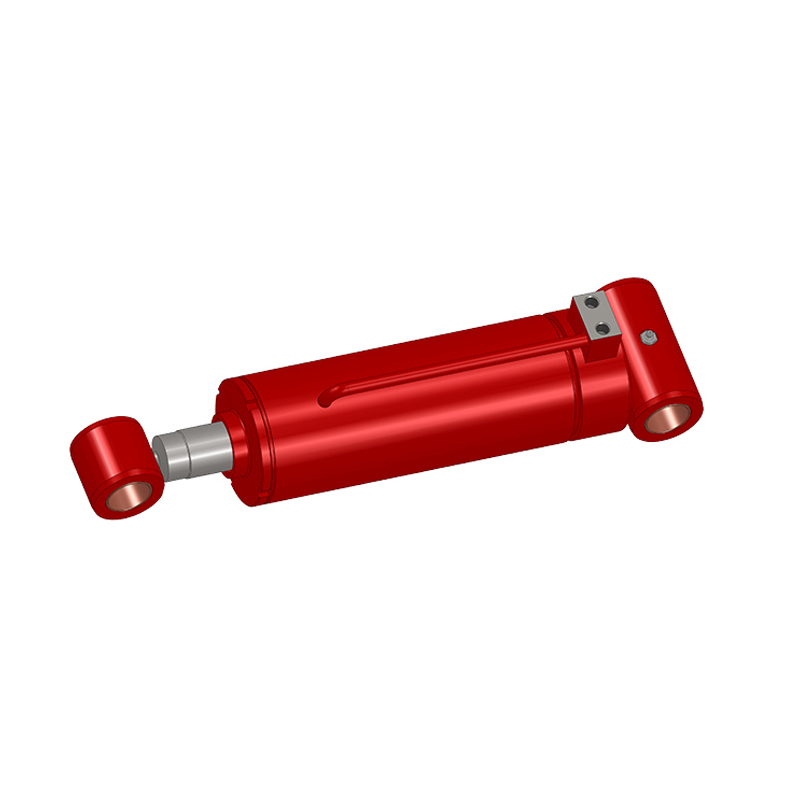
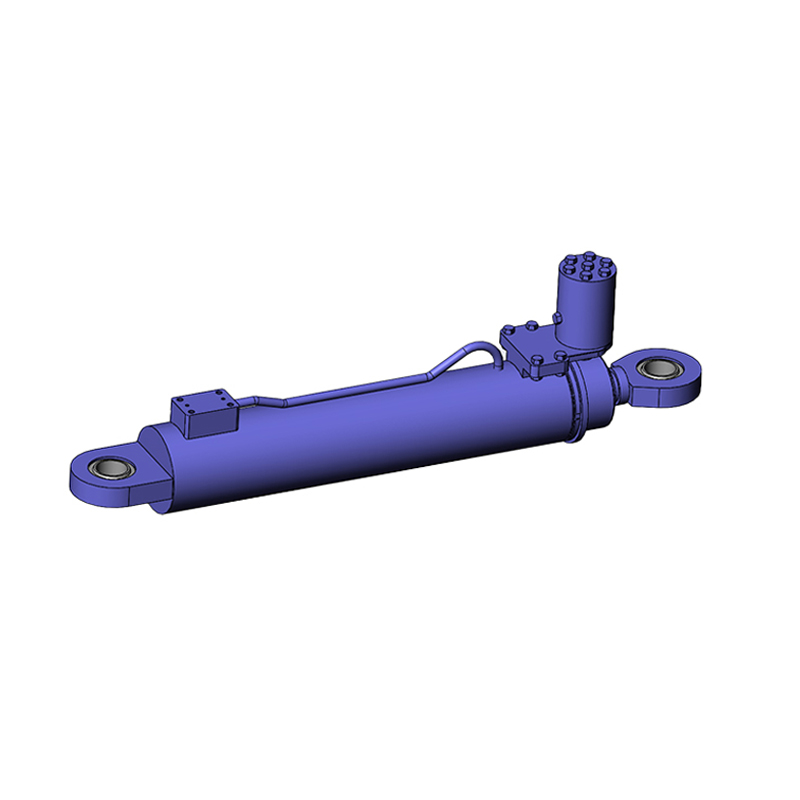
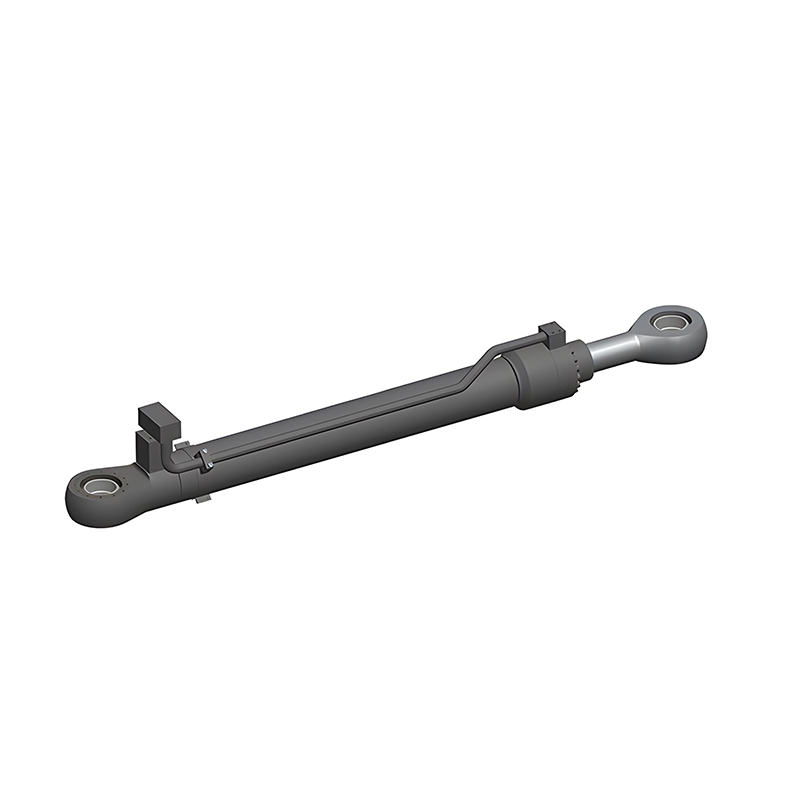
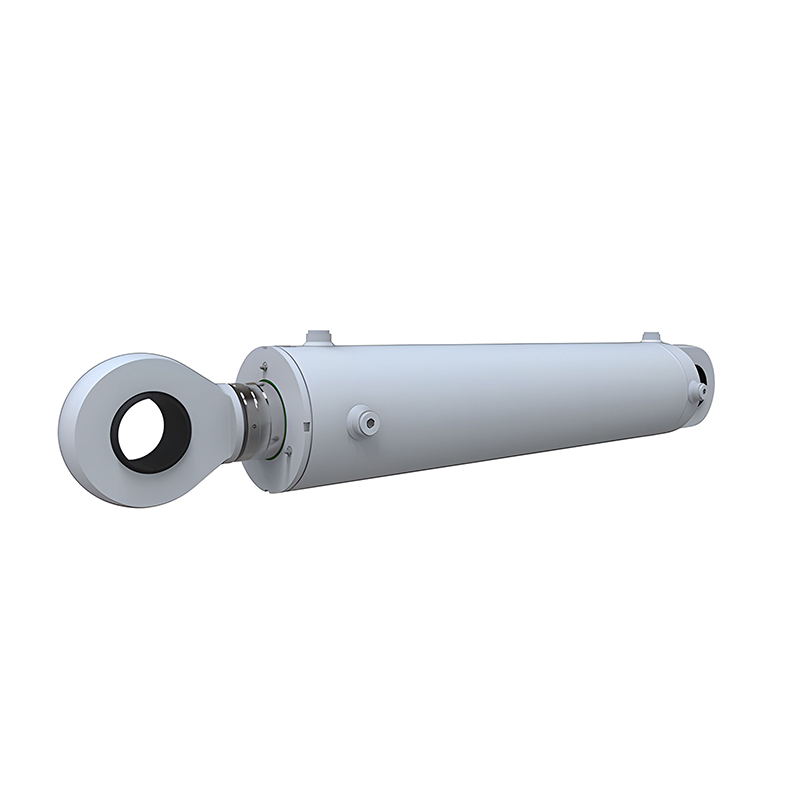
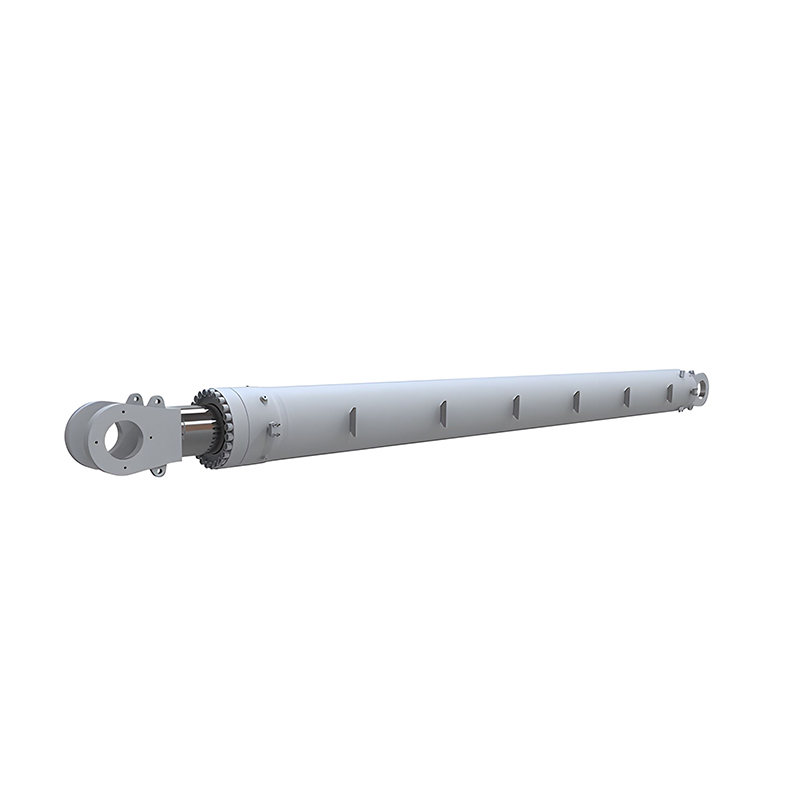
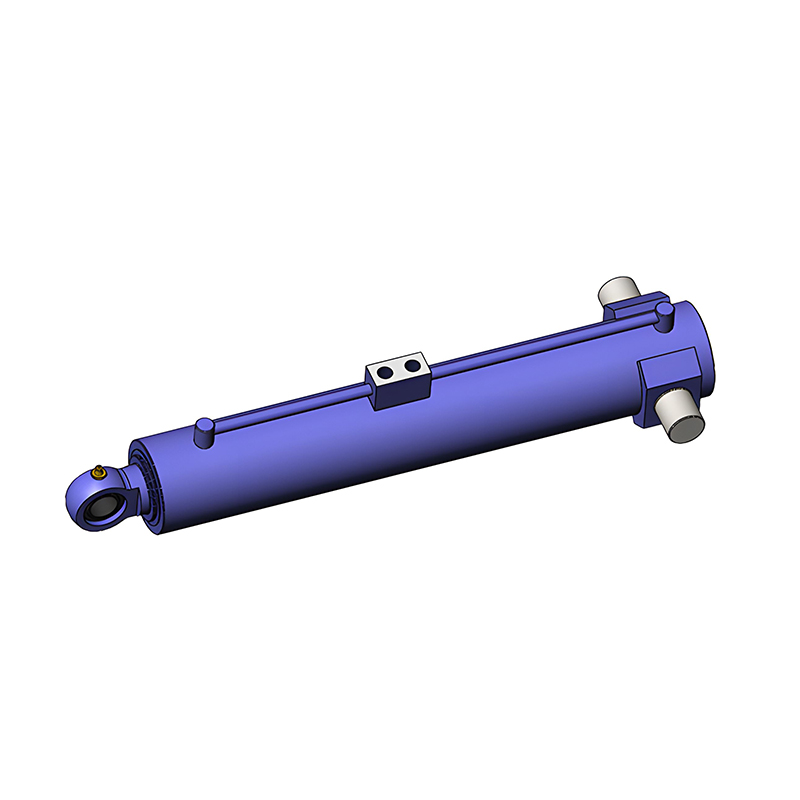
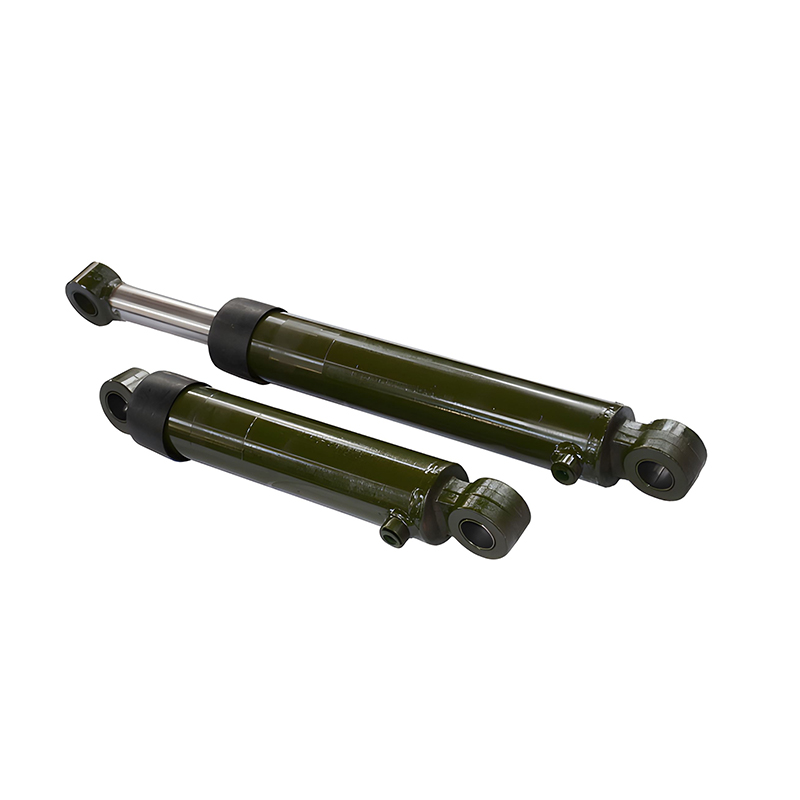
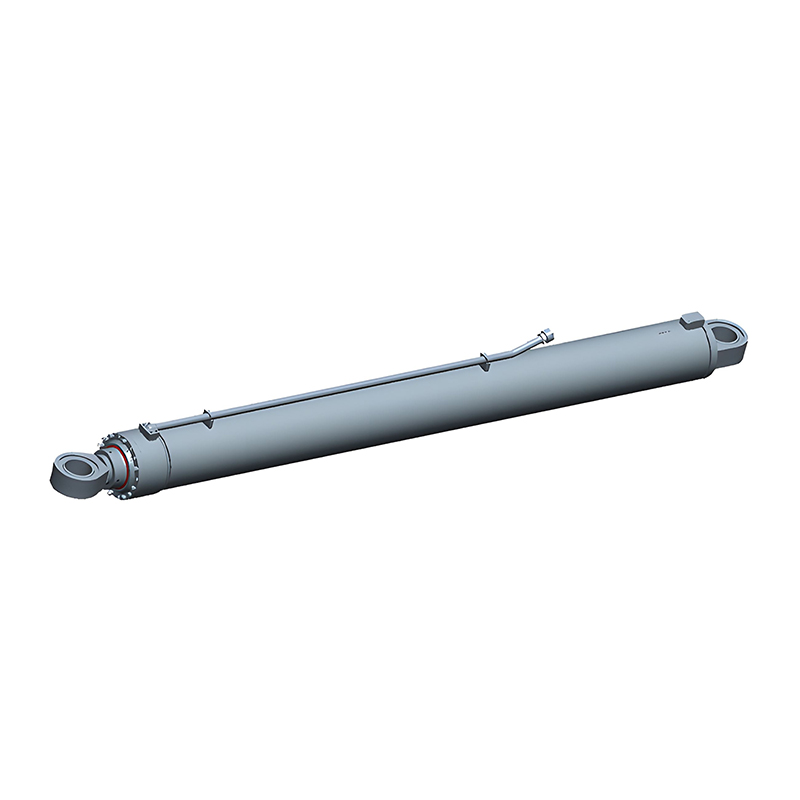
Sanitation machinery cylinders are integral components in waste management equipment, particularly in hydraulic systems used in garbage trucks, waste compactors, and other machinery involved in waste collection and disposal. These cylinders, which are typically hydraulic, serve as the actuating force that drives the mechanisms of these machines, making them an essential part of the machinery's functionality.
The cylinders are designed to withstand the heavy loads and stresses that come with the handling of waste materials, ensuring the smooth operation of equipment while minimizing downtime and maintenance costs. Their role is to provide the necessary force to lift and compact waste, control the movement of machinery, and enhance the overall efficiency of waste management systems.
One of the primary functions of sanitation machinery cylinders is to improve the efficiency of waste collection. With hydraulic cylinders, garbage trucks can lift large bins, compact waste within the truck, and transfer it securely to designated waste processing facilities. The cylinders allow for more powerful and faster operations, reducing the time needed for waste collection. This enhanced speed is crucial in urban environments where high population densities generate a constant flow of waste.
In traditional waste collection methods, manual labor or less efficient systems often resulted in slower operations and higher risks of injury. With the integration of sanitation machinery cylinders, waste collection is not only faster but also safer for workers. The hydraulic system takes over much of the physical work, reducing human labor and improving overall productivity.
Sanitation machinery cylinders also play an essential role in waste compaction. The compacting of waste is a critical step in modern waste management as it helps reduce the volume of waste, making it easier to transport and store. Waste compaction is particularly important in cities and metropolitan areas where space is limited, and waste facilities are often located far from residential areas.
Hydraulic cylinders in waste compactor trucks help compress waste into smaller, more manageable loads, increasing the capacity of the truck. This allows for fewer trips to the waste processing facility, reducing fuel consumption and emissions while improving operational efficiency. Additionally, compaction prevents waste from scattering during transport, reducing the environmental impact of littering.
With the growing trend towards smart cities, many municipalities are adopting automated waste management systems that rely on advanced technologies like sensors, IoT (Internet of Things), and artificial intelligence (AI). Sanitation machinery cylinders are an essential part of these automated systems, enabling precise control over waste collection and transportation.
For example, smart garbage trucks equipped with sensors can detect when a bin is full and automatically send a signal to the waste management team. The hydraulic cylinders in the truck can then automatically adjust the lifting mechanism to collect the waste without requiring manual intervention. This level of automation not only improves efficiency but also reduces human error, leading to more reliable waste management services.
The demanding nature of waste management requires machinery that is durable, reliable, and capable of handling heavy loads. Sanitation machinery cylinders are designed to meet these stringent requirements. Made from high-quality materials such as steel and alloys, these cylinders are built to withstand the stresses of lifting and compacting waste, ensuring a long lifespan even in the most challenging conditions.
Moreover, the durability of sanitation machinery cylinders directly impacts the cost-effectiveness of waste management operations. Durable cylinders reduce the need for frequent replacements or repairs, which can be expensive and time-consuming. As a result, municipalities and waste management companies can reduce maintenance costs and improve the overall operational efficiency of their fleet.
Sanitation machinery cylinders are not just about improving the operational aspects of waste management—they also contribute to environmental sustainability. The ability to compact waste reduces the volume of trash that needs to be transported, which, in turn, decreases the number of trips needed to transport waste. Fewer trips mean lower fuel consumption, which reduces carbon emissions and the environmental footprint of waste collection activities.
Additionally, the automation and efficiency provided by sanitation machinery cylinders contribute to the optimization of waste sorting and recycling processes. In many cities, waste is sorted at collection points to separate recyclables from non-recyclables. The precise control enabled by hydraulic systems ensures that waste is properly managed, reducing contamination in recyclable materials and supporting sustainable practices.
As technology continues to advance, the role of sanitation machinery cylinders in waste management systems will evolve. New materials, more efficient hydraulic systems, and improved designs will allow for even better performance and lower environmental impact. With the rise of electric-powered sanitation machinery and hybrid technologies, cylinders will continue to play a key role in reducing energy consumption and improving the overall sustainability of waste management operations.
One of the most promising developments is the integration of sanitation machinery cylinders with smart sensors and data analytics. These systems will allow waste management companies to track the performance of their equipment in real time, identifying potential issues before they become costly problems. Predictive maintenance, powered by data insights, will enable better management of resources and reduce downtime, ultimately enhancing the efficiency of waste management systems.

Copyright © Jiangsu Hengcai Hydraulic Mechanical Co., Ltd. All Rights Reserved.
 Custom Hydraulic Cylinders Manufacturers