English
 中文简体
中文简体 русский
 عربى
عربىOuick Product Search
Provide Hengcai OEM program, product name and other information. The content of this information is for reference only.
2026-01-07
In the world of construction, heavy machinery plays a central role in ensuring that projects are completed efficiently, safely, and within time constraints. From excavators to bulldozers, loaders to cranes, these machines are built to handle demanding tasks in challenging environments. One key component that significantly enhances the performance, durability, and versatility of such equipment is the Construction Hydraulic Cylinders.
Hydraulic cylinders are integral to the operation of heavy machinery, enabling machines to move, lift, and carry heavy loads with precision. These cylinders use hydraulic power, typically provided by a fluid, to produce force and motion. Over the years, hydraulic cylinder technology has evolved to meet the increasing demands of modern construction, leading to more powerful, efficient, and versatile machinery.
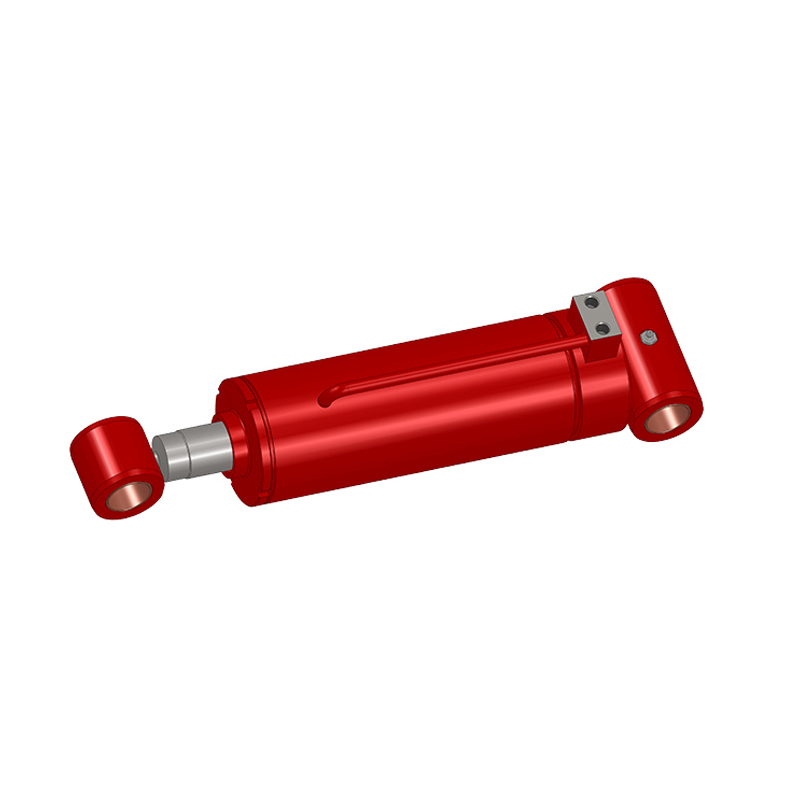
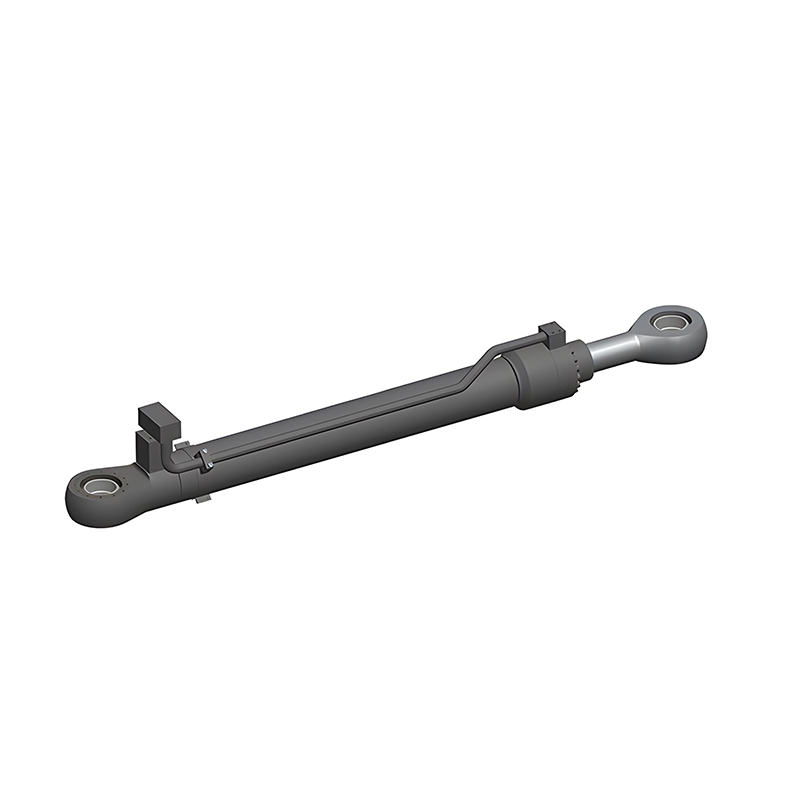
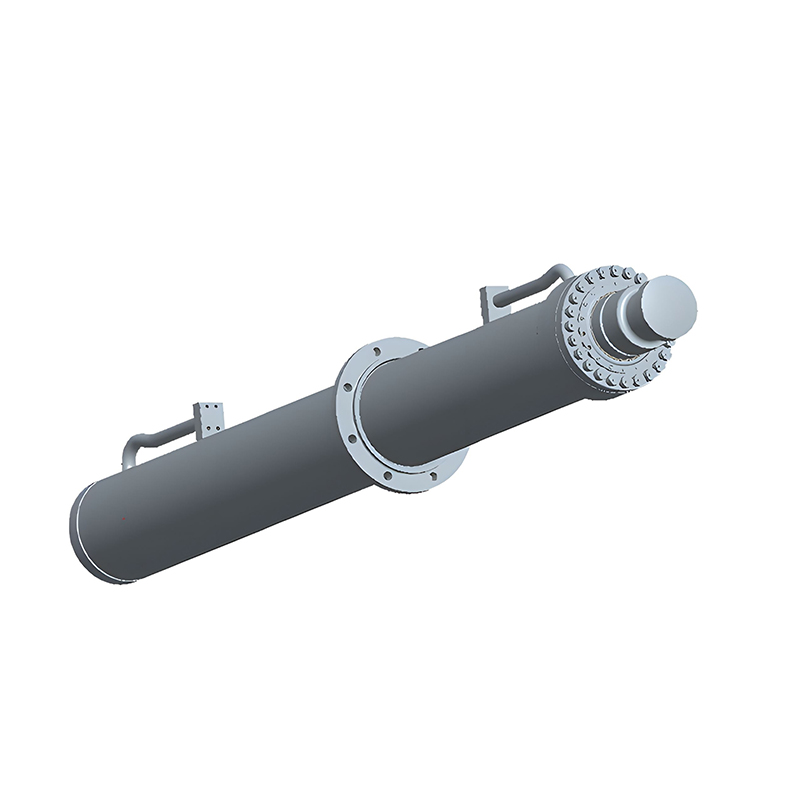
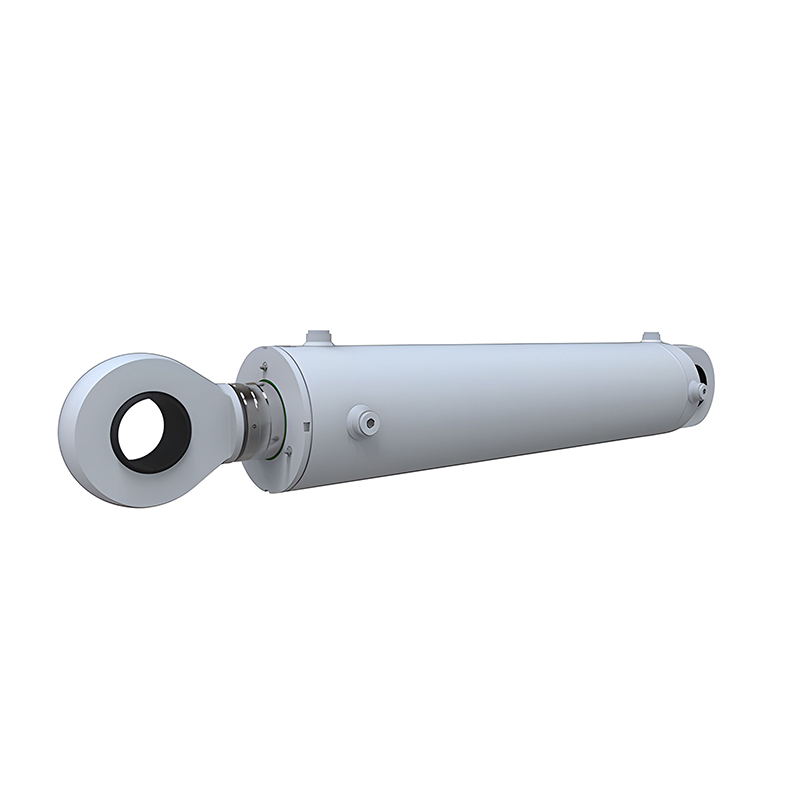
A hydraulic cylinder is a mechanical actuator used to provide unidirectional force through a linear stroke. It is an essential part of many types of machinery, including construction equipment like cranes, excavators, and dump trucks. Hydraulic cylinders consist of a cylinder barrel, a piston, and a rod, all of which work together to create linear motion when hydraulic fluid is pumped into the cylinder. The fluid pressure pushes the piston, causing the rod to extend or retract, depending on the desired motion.
In construction machinery, hydraulic cylinders are used for a variety of tasks, including lifting, pushing, pulling, and steering. They provide the necessary force to operate large components like buckets, booms, and arms, enabling machines to carry out heavy lifting and digging operations with precision and control.
Construction equipment, by nature, requires powerful and reliable systems to operate in demanding conditions. Hydraulic cylinders are a vital part of these systems, offering several advantages that make them indispensable in the construction industry.
Powerful Performance and Load Handling
Heavy machinery is designed to perform tasks that require significant amounts of force, such as digging, lifting, and pushing heavy materials. Hydraulic cylinders are capable of generating high force relative to their size, making them ideal for these tasks. The hydraulic system can easily amplify the power generated by a relatively small piston, allowing construction machinery to lift and move heavy loads with ease.
For example, in excavators, the hydraulic cylinders are responsible for controlling the boom and arm movements. These cylinders can lift large amounts of earth or material, providing the necessary force to dig deep trenches or lift and move construction debris. The ability of hydraulic cylinders to generate substantial force in a compact design is one of the reasons they are preferred in construction applications.
Precision and Control
Construction machinery is often required to perform precise tasks, such as lifting heavy objects with exact positioning or digging to specific depths. Hydraulic cylinders offer superior precision and control compared to mechanical or pneumatic systems. With the ability to adjust the flow of hydraulic fluid, operators can fine-tune the movement of the cylinder, allowing for smooth, accurate motion.
For example, in cranes, the hydraulic cylinders that control the movement of the boom and the lifting mechanism are critical for placing materials with high accuracy. Whether it's lowering a steel beam into position or adjusting the angle of a load, hydraulic cylinders provide the precision required to ensure that every operation is performed safely and efficiently.
Versatility Across Applications
Another reason why hydraulic cylinders are so widely used in construction machinery is their versatility. Hydraulic cylinders can be customized to meet the specific needs of different applications, whether it’s in earthmoving equipment, lifting machines, or material handling machines. The ability to design cylinders with varying sizes, stroke lengths, and force capacities allows them to be used in a wide variety of construction tasks.
In a modern construction fleet, hydraulic cylinders are used in everything from excavators and backhoes to bulldozers and wheel loaders. Each of these machines uses hydraulic cylinders to perform different tasks, whether it's digging, lifting, pushing, or hauling. This versatility makes hydraulic cylinders an essential component across a wide range of construction operations.
Durability and Longevity
Construction equipment is often exposed to harsh conditions, including extreme temperatures, moisture, dust, and dirt. Hydraulic cylinders, made from durable materials such as steel or high-strength alloys, are built to withstand these challenges. In addition, many hydraulic cylinders are equipped with seals and coatings that prevent contaminants from entering the system, extending the life of the cylinder and reducing the need for maintenance.
The durability of hydraulic cylinders is a significant advantage in the construction industry, where machines are subjected to constant heavy use. Well-maintained hydraulic cylinders can operate for thousands of hours, reducing the overall cost of ownership for construction companies and improving the reliability of machinery on job sites.
As construction equipment has evolved, so too has hydraulic cylinder technology. Manufacturers are continually developing new designs and innovations to enhance the performance, efficiency, and sustainability of hydraulic cylinders. Some of the key advancements include:
Enhanced Sealing Technologies
One of the primary concerns with hydraulic cylinders is the risk of fluid leakage, which can reduce efficiency and increase maintenance costs. Over the years, advancements in sealing technology have significantly improved the performance of hydraulic cylinders. New seal designs and materials are now available that offer better resistance to wear, pressure, and contamination.
For example, high-performance seals can now handle higher temperatures, pressures, and a wider range of fluids, making them more reliable in demanding environments. This innovation reduces the frequency of maintenance required for hydraulic systems and enhances the overall durability of the machinery.
Improved Efficiency and Energy Conservation
In recent years, there has been a push for more energy-efficient construction machinery, driven by both environmental concerns and the need to reduce operational costs. Hydraulic cylinders are now being designed with greater efficiency in mind, helping to reduce energy consumption while maintaining performance.
The development of more efficient hydraulic pumps and improved fluid flow management systems has led to a reduction in the amount of energy required to operate hydraulic cylinders. By optimizing the performance of the entire hydraulic system, these innovations contribute to a more sustainable approach to construction operations, lowering fuel consumption and reducing the carbon footprint of construction projects.
Smart Hydraulic Systems
The integration of smart technology into hydraulic systems has been a significant trend in the construction industry. Modern hydraulic cylinders can now be equipped with sensors and monitoring systems that provide real-time data on their performance. This data can be used to track the condition of the cylinder, monitor fluid levels, and detect potential issues before they lead to failure.
Smart hydraulic systems allow operators to proactively manage the performance and maintenance of their equipment, minimizing downtime and improving overall efficiency. Additionally, these systems can be integrated with machine control systems, allowing for more precise control of hydraulic cylinders, even in complex tasks.
Compact and Lightweight Designs
As construction equipment becomes more sophisticated, there is also a trend towards designing more compact and lightweight machinery. This has led to the development of smaller, more powerful hydraulic cylinders that can deliver the same high performance while taking up less space and weight. These innovations are particularly valuable in applications where space is limited, such as mini excavators or compact loaders.
Compact hydraulic cylinders allow for greater flexibility in equipment design and help improve the overall performance of smaller machines, enabling them to handle tasks that were previously only achievable by larger, heavier equipment.
The role of hydraulic cylinders in construction machinery is only set to grow as the demand for more powerful, efficient, and environmentally friendly machines increases. As construction companies continue to seek ways to improve productivity and reduce costs, hydraulic cylinders will remain at the core of these efforts.
Automation and Robotics in Construction
With the rise of automation and robotics in construction, hydraulic cylinders will play an integral role in enabling machines to operate with minimal human intervention. Automated machines, such as autonomous bulldozers or robotic cranes, rely on hydraulic cylinders to perform precise movements, such as lifting, digging, and placing materials.
These innovations promise to increase productivity, reduce labor costs, and improve safety on job sites. Hydraulic cylinders will continue to evolve to meet the needs of these advanced systems, providing the power and control necessary for autonomous construction equipment.
Sustainability in Construction
The construction industry is increasingly focused on reducing its environmental impact, and hydraulic cylinders are contributing to this shift. By improving efficiency, reducing fuel consumption, and enabling cleaner, more sustainable machinery, hydraulic cylinders are helping the industry meet sustainability goals.
The development of electric and hybrid hydraulic systems will further contribute to reducing the environmental footprint of construction operations. These systems, combined with more energy-efficient hydraulic cylinders, will help make construction projects more sustainable while maintaining the performance and productivity needed to complete large-scale projects.
Recommended Products

Copyright © Jiangsu Hengcai Hydraulic Mechanical Co., Ltd. All Rights Reserved.
 Custom Hydraulic Cylinders Manufacturers