English
 中文简体
中文简体 русский
 عربى
عربىOuick Product Search
Provide Hengcai OEM program, product name and other information. The content of this information is for reference only.
2026-01-14
Sanitation trucks play a crucial role in modern waste management systems. They are responsible for efficiently collecting, transporting, and disposing of waste materials from residential, commercial, and industrial areas. As the global demand for effective and sustainable waste management grows, sanitation truck manufacturers are continually seeking ways to improve the functionality, durability, and efficiency of their vehicles. One of the most significant innovations contributing to the evolution of sanitation trucks is the integration of hydraulic cylinders.
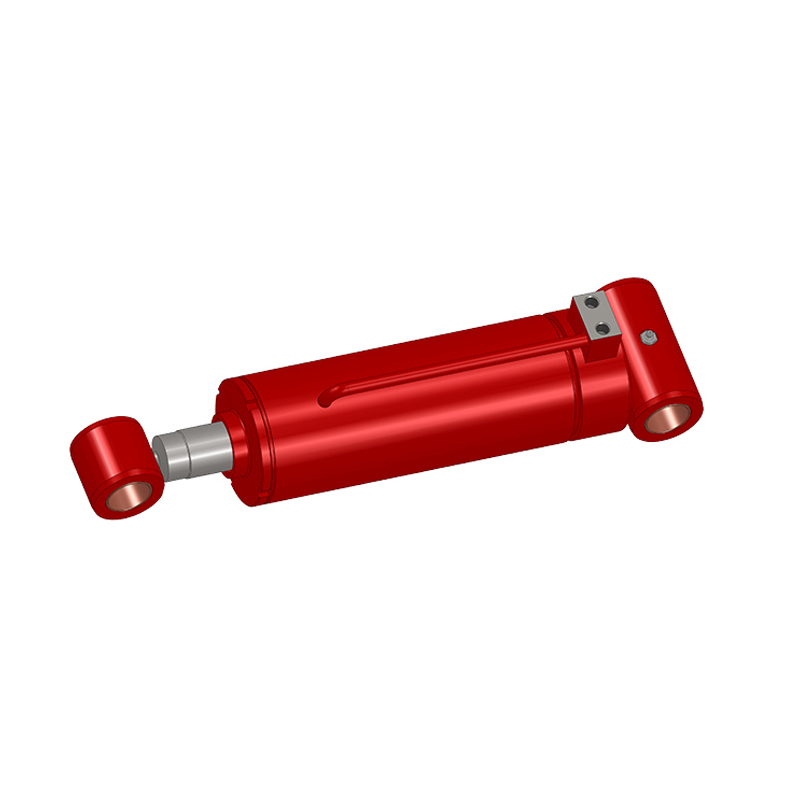
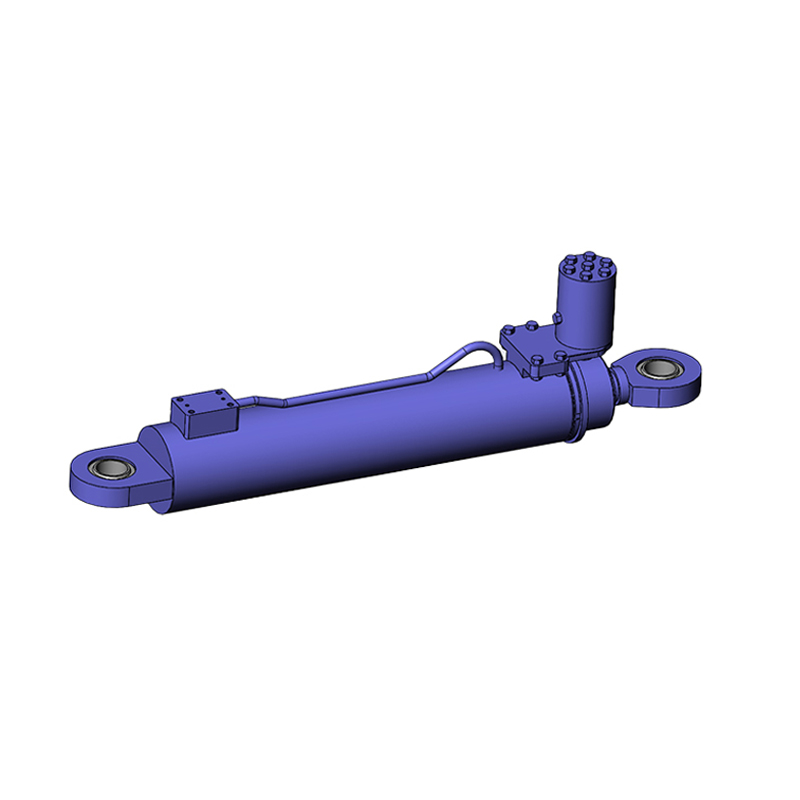
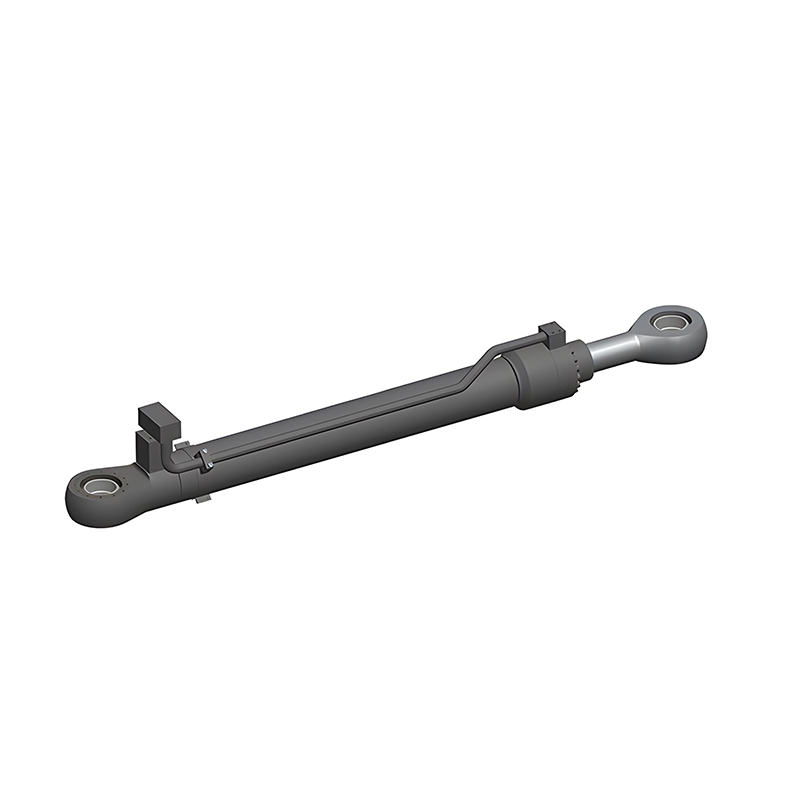
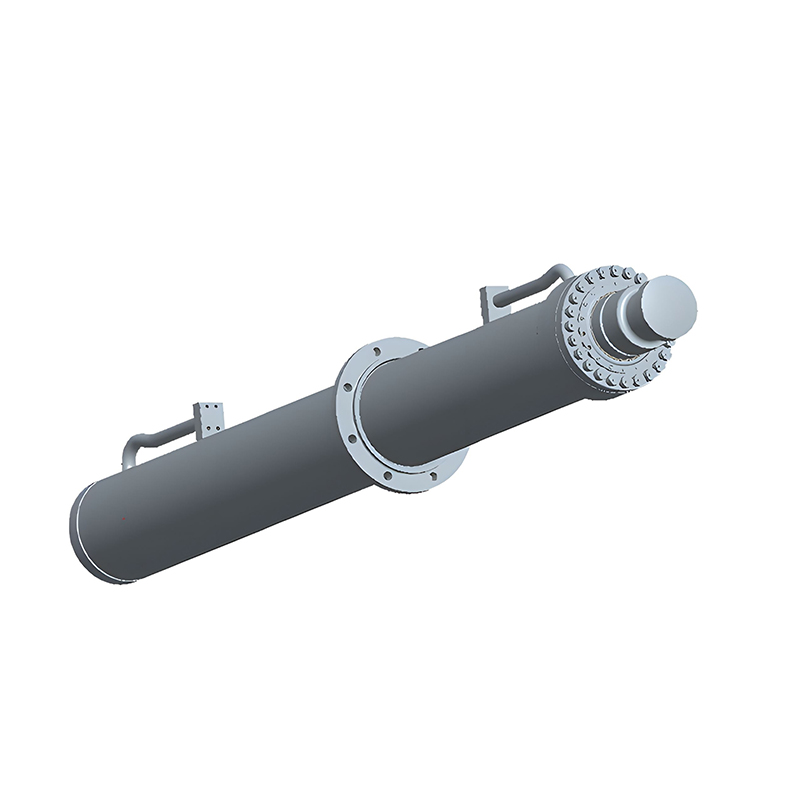
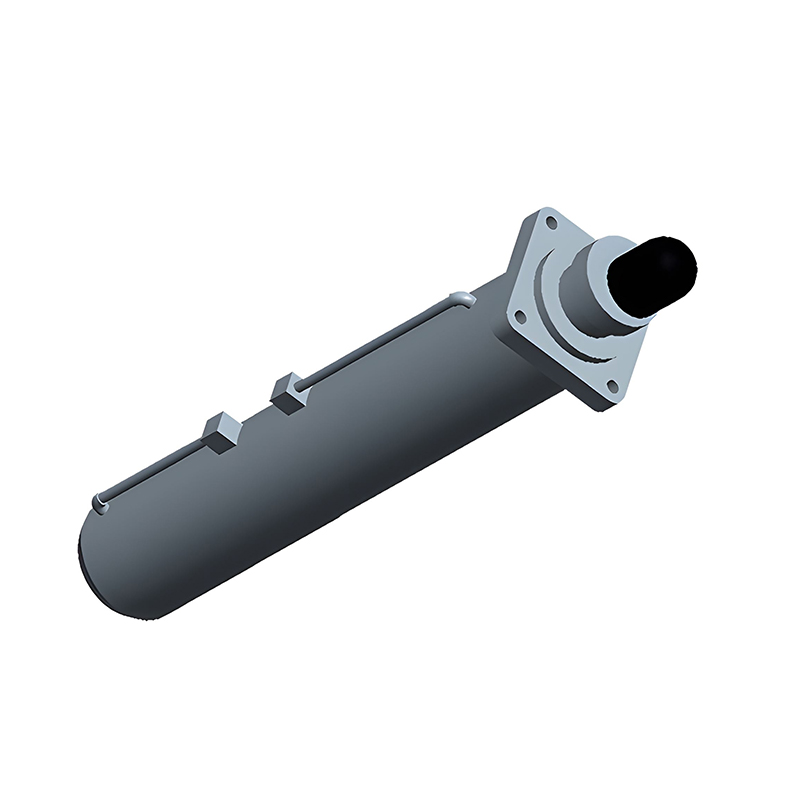
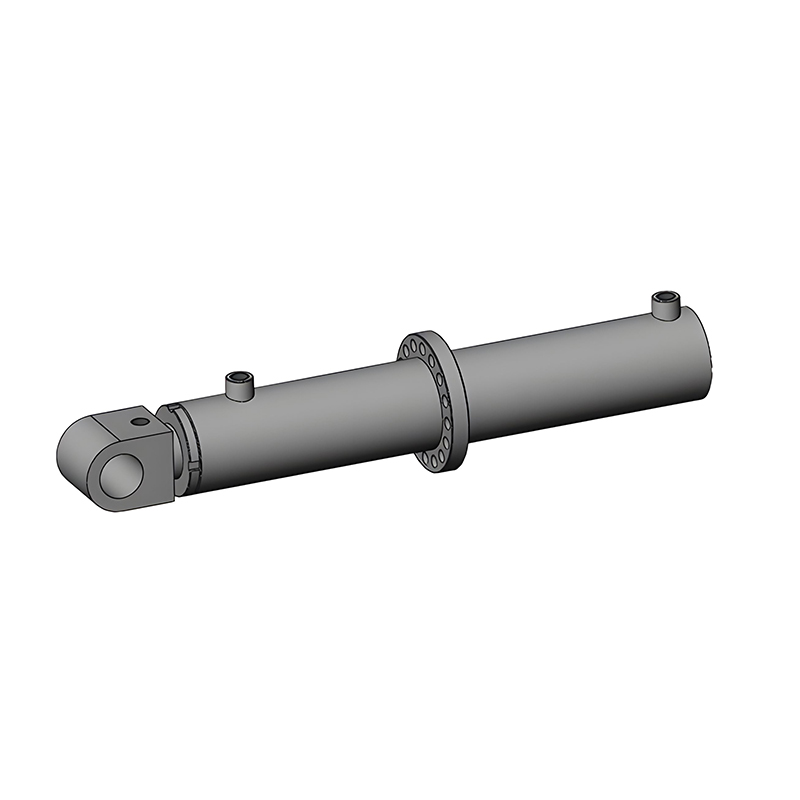
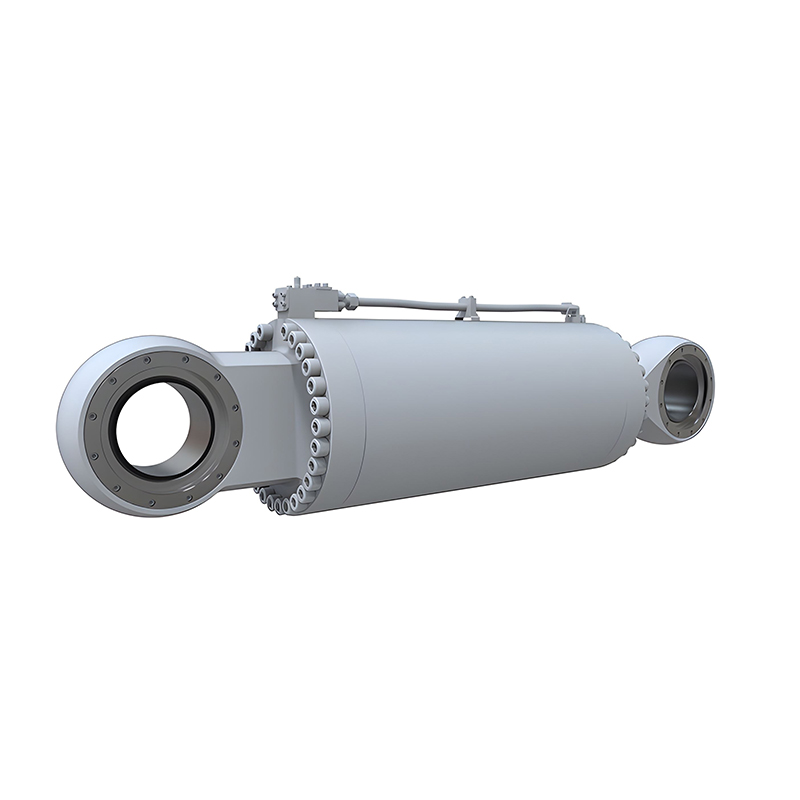
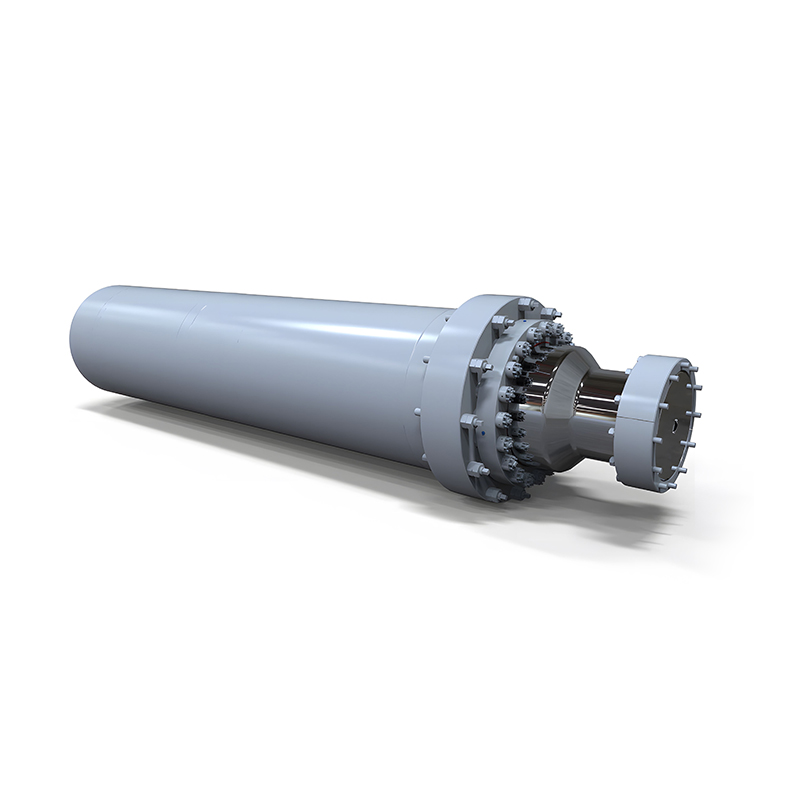
Sanitation Equipment Hydraulic Cylinders are critical components in the operation of sanitation trucks. They enable various essential functions, such as lifting, dumping, and compacting waste, all of which are vital for optimizing waste collection operations.
Hydraulic systems have long been recognized for their ability to provide high force with precision control. In sanitation trucks, hydraulic cylinders are used to perform several essential tasks, such as:
Lifting and Dumping: Hydraulic cylinders are responsible for raising and tilting the truck’s waste collection body. This allows the truck to efficiently unload waste into disposal sites, such as landfills or recycling centers. By using hydraulic cylinders, sanitation trucks can handle large volumes of waste with ease and precision.
Compacting Waste: Hydraulic cylinders are also employed in the compaction systems of sanitation trucks. These cylinders enable compactors to compress waste inside the truck’s hopper, creating more space for additional waste. This compaction process improves the efficiency of waste collection, reduces the number of trips required to transport waste, and helps maximize the capacity of the truck.
Controlling Mechanical Systems: Hydraulic cylinders are often used in the operation of mechanical arms or robotic systems that assist in waste collection. These systems are particularly useful for automated or semi-automated waste collection, where hydraulic cylinders provide the necessary force to move the mechanical arms and grab or lift waste containers.
The integration of hydraulic cylinders into sanitation trucks offers a range of benefits that enhance their overall functionality and performance. These benefits not only improve operational efficiency but also contribute to the sustainability and cost-effectiveness of waste management systems.
One of the primary advantages of hydraulic cylinders in sanitation trucks is their ability to significantly increase operational efficiency. The use of hydraulic systems allows sanitation trucks to perform complex tasks with minimal manual intervention. This reduces the time required to load and unload waste, ultimately improving the overall productivity of the waste collection process.
For example, the hydraulic lifting system enables the truck to raise and dump waste quickly and with minimal effort. The hydraulic compaction system also ensures that waste is compressed efficiently, allowing for more waste to be collected in a single trip. These improvements not only reduce the number of trips required but also ensure that sanitation trucks can handle higher volumes of waste, increasing the overall throughput of the fleet.
Sanitation trucks are subjected to demanding operating conditions, including heavy loads, rough terrain, and exposure to various weather elements. Hydraulic cylinders, when designed and maintained properly, can provide long-lasting durability even under these challenging conditions.
Manufacturers of sanitation trucks often choose hydraulic cylinders made from high-quality materials, such as stainless steel or corrosion-resistant alloys, to ensure their resilience. These materials help prevent damage from exposure to moisture, chemicals, and waste materials, which could otherwise cause premature wear and tear. As a result, sanitation trucks equipped with hydraulic cylinders are better suited for prolonged use and can maintain reliable performance for many years.
Hydraulic cylinders provide precise control over the movements of sanitation truck components. This is particularly important when performing tasks such as lifting, dumping, or compacting waste. The ability to control the force and speed of these actions ensures that waste is handled safely and accurately.
For example, hydraulic systems allow sanitation truck operators to lift and tilt the truck’s waste collection body with precision, minimizing the risk of spillage or damage to surrounding infrastructure. Additionally, hydraulic compaction systems enable waste to be compressed evenly, reducing the likelihood of jams or blockages inside the truck. This precise control helps improve safety for both operators and the public, as it reduces the risk of accidents and ensures the proper handling of waste materials.
Hydraulic systems, including hydraulic cylinders, are known for their low-maintenance nature. Unlike mechanical systems, which often require frequent repairs and replacements, hydraulic cylinders typically have fewer moving parts and are less prone to wear and tear. When properly maintained, hydraulic cylinders can operate for extended periods without the need for significant repairs.
The reduction in maintenance requirements translates into lower operational costs for waste management companies. Fewer breakdowns and less frequent maintenance mean that sanitation trucks spend more time on the road, collecting waste, and less time in the shop for repairs. This not only reduces downtime but also helps improve the overall cost-effectiveness of waste collection operations.
Sanitation trucks must be versatile enough to handle a wide variety of waste collection tasks. Different types of waste, such as residential, commercial, and industrial waste, require different handling methods. Hydraulic cylinders play a key role in making sanitation trucks adaptable to these varying needs.
For example, hydraulic systems can be used to adjust the lifting capacity and speed of the truck, allowing it to handle different types of waste containers, such as bins, dumpsters, or roll-off containers. Additionally, hydraulic systems can be customized to accommodate specific waste collection needs, such as the operation of specialized waste sorting or recycling systems.
This adaptability makes hydraulic cylinders an essential component in ensuring that sanitation trucks can meet the diverse needs of modern waste management operations.
As waste management technology continues to evolve, the role of hydraulic cylinders in sanitation trucks will likely become even more important. Innovations in hydraulic technology, such as the development of more energy-efficient systems, are expected to further enhance the functionality of sanitation trucks.
One area of focus is the integration of smart technology into hydraulic systems. By incorporating sensors, real-time data monitoring, and automated controls, sanitation trucks can operate more efficiently and safely. For example, sensors could be used to monitor the condition of hydraulic cylinders, alerting operators to potential issues before they become major problems. Additionally, automated systems could optimize the lifting, dumping, and compaction processes, improving the overall performance of the truck.
Moreover, as sustainability becomes an increasingly important consideration in waste management, the role of hydraulic cylinders in reducing energy consumption and minimizing environmental impact will continue to grow. Manufacturers are exploring ways to design hydraulic systems that use less energy while still providing the same high level of performance. This could include the use of more efficient pumps, valves, and cylinders, as well as the integration of renewable energy sources, such as solar power, to further reduce the environmental footprint of sanitation trucks.
Recommended Products

Copyright © Jiangsu Hengcai Hydraulic Mechanical Co., Ltd. All Rights Reserved.
 Custom Hydraulic Cylinders Manufacturers