English
 中文简体
中文简体 русский
 عربى
عربىOuick Product Search
Provide Hengcai OEM program, product name and other information. The content of this information is for reference only.
2025-12-31
Marine engines are the beating heart of the shipping and maritime industries, driving everything from cargo ships and container vessels to luxury cruise liners and naval ships. However, operating engines in harsh marine environments presents significant challenges. From corrosive seawater and salt air to extreme temperature variations and high-pressure conditions, marine engines must withstand a variety of stressors to remain reliable and efficient.
Among the critical components that ensure the longevity and reliability of marine engines are marine cylinders. These essential engine parts play a vital role in maintaining the overall functionality of the engine, ensuring optimal performance even in some of the most demanding conditions.
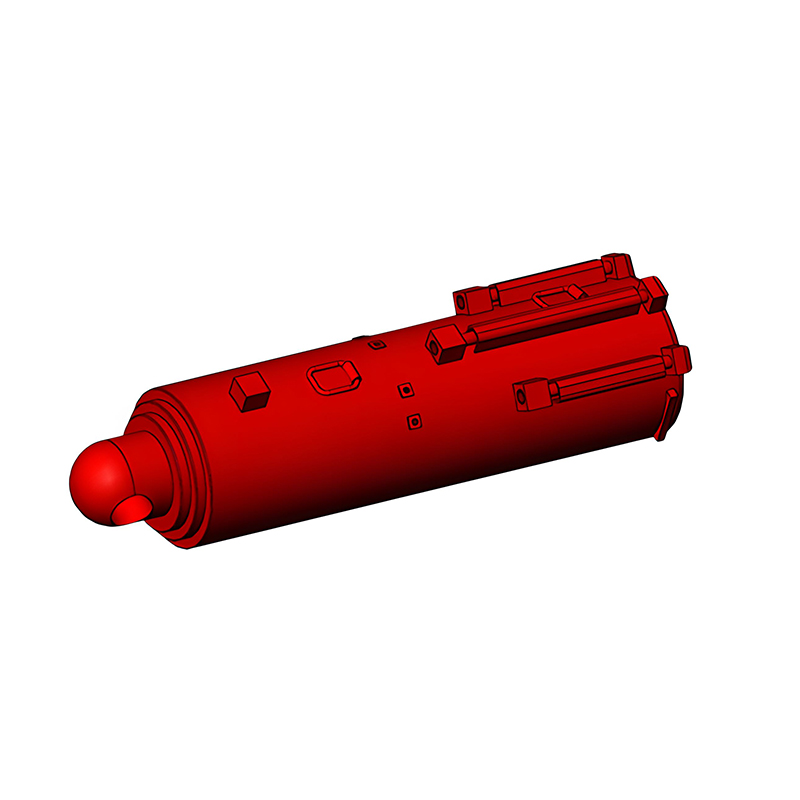
A marine cylinder is a key component of the internal combustion engine found on ships. It serves as the chamber where fuel and air mix, ignite, and generate power to propel the ship forward. The cylinder houses the piston, which moves up and down as part of the engine’s power cycle, converting the energy from combustion into mechanical energy that powers the ship’s propulsion system.
Marine cylinders come in a variety of sizes and configurations, depending on the type and size of the engine. These cylinders are typically constructed from high-strength materials to handle the extreme pressures and temperatures experienced during engine operation. They are designed to ensure efficient combustion, minimize wear, and provide durability to withstand the rigorous conditions of marine environments.
Before diving into how marine cylinders help maintain engine reliability, it's essential to understand their primary functions:
Power Generation: Marine cylinders are responsible for converting the energy generated by the combustion of fuel into mechanical work. The movement of the piston within the cylinder creates rotational force, which is transmitted to the ship's crankshaft and ultimately drives the propeller.
Compression and Expansion: The marine cylinder is where the air-fuel mixture is compressed before ignition, and where the expanding gases push the piston down to generate power. The efficiency of this process is critical to engine performance.
Sealing and Lubrication: Marine cylinders must maintain a proper seal to prevent the loss of pressure and to keep harmful combustion gases from escaping. They also require lubrication to minimize friction between the piston and cylinder walls, ensuring smooth movement and reducing wear.
Thermal Management: Marine cylinders must manage the heat generated during combustion, preventing overheating and ensuring the engine operates within safe temperature limits.
Now that we understand the role of marine cylinders, let's explore how they contribute to engine reliability in the challenging and demanding conditions of marine environments.
One of the biggest threats to marine engines is corrosion, especially due to exposure to seawater and salty air. Corrosion can quickly degrade engine components, including the cylinders, pistons, and other key parts. This degradation can lead to loss of efficiency, power, and ultimately engine failure.
Marine cylinders are designed with corrosion-resistant materials such as high-strength alloys, nickel-chromium coatings, and specialized protective coatings to prevent the corrosive effects of saltwater and humidity. These materials help protect the cylinder walls, piston rings, and other moving parts from rust and pitting, ensuring the engine operates reliably over extended periods.
In addition to these corrosion-resistant materials, marine cylinders are often designed with sealed systems that minimize the risk of seawater intrusion, keeping the internal components dry and protected from corrosive elements.
Marine engines are subjected to significant pressure during operation, particularly in larger vessels where engines must generate massive amounts of power. The combustion process inside the marine cylinder creates tremendous pressure, which must be effectively managed to prevent damage to the engine.
Marine cylinders are constructed from high-strength cast iron or steel, materials that can withstand the immense pressures generated during combustion without warping or cracking. The durability of these materials ensures that the cylinders can maintain their structural integrity even under the high mechanical stresses typical of heavy-duty marine engines.
Additionally, marine cylinders are often engineered with enhanced designs to distribute pressure evenly, minimizing the risk of localized stress and fatigue, which can lead to premature failure. This durability is critical for maintaining engine performance and reliability in harsh operational conditions.
Marine engines often operate at high temperatures, especially in large vessels or engines used for long-haul journeys. Effective thermal management is crucial to prevent overheating, which can lead to engine damage, poor performance, or even catastrophic failure.
Marine cylinders are designed with advanced cooling systems to manage the heat generated during combustion. Many marine engines use liquid cooling systems to circulate coolant through the cylinders, preventing excessive heat buildup. Additionally, the cylinders themselves may be designed with heat-resistant coatings and materials that help dissipate heat efficiently, ensuring that the engine stays within optimal operating temperature ranges.
By managing heat effectively, marine cylinders contribute to the engine’s longevity and reliability, preventing thermal stresses that could lead to warping or cracking of the cylinder walls.
Marine engines, particularly large ones, can produce significant vibrations and noise during operation, which can affect not only the comfort of the crew but also the reliability of the engine itself. Excessive vibrations can lead to wear and tear on engine components, including the marine cylinders, leading to premature failure.
Marine cylinders are designed to minimize vibrations through their robust construction and precision engineering. The materials used in the cylinders, as well as the engine’s overall design, help absorb and dissipate vibrations, reducing the strain on the engine components. This vibration damping helps maintain the structural integrity of the cylinders and other critical engine parts, ensuring that the engine continues to operate smoothly and reliably in rough seas.
A key factor in the reliability of marine engines is their fuel efficiency. Marine cylinders are engineered to facilitate efficient combustion, ensuring that the air-fuel mixture is ignited properly and that the engine generates maximum power from each combustion cycle.
Efficient combustion reduces fuel consumption, minimizes emissions, and helps the engine perform optimally over time. The precision engineering of marine cylinders ensures that the combustion process is as efficient as possible, preventing problems like incomplete combustion, excessive soot buildup, and carbon deposits, which can cause engine inefficiency and reliability issues.
By maintaining proper fuel combustion, marine cylinders contribute directly to the engine's fuel economy, reducing operational costs and extending the lifespan of the engine.
Routine maintenance and repair are crucial for maintaining the reliability of marine engines. Marine cylinders are designed with ease of access in mind, allowing for straightforward maintenance procedures. Regular inspections of the cylinders and related components, such as the pistons, piston rings, and cylinder heads, help identify early signs of wear and prevent major failures.
In addition, marine cylinders are often designed with replaceable components, such as piston rings, which allow for cost-effective repairs when needed. This ensures that the engine remains operational and reliable, even after years of service in challenging marine conditions.

Copyright © Jiangsu Hengcai Hydraulic Mechanical Co., Ltd. All Rights Reserved.
 Custom Hydraulic Cylinders Manufacturers