English
 中文简体
中文简体 русский
 عربى
عربىOuick Product Search
Provide Hengcai OEM program, product name and other information. The content of this information is for reference only.
2026-09-23
Air is the quiet troublemaker of hydraulic systems. It sneaks in through low oil levels, loose fittings, fresh seal jobs, and routine maintenance, and it turns a firm, powerful cylinder into a soft, jerky one. After more than three decades of building hydraulic cylinders for excavators, forklifts, presses, refuse trucks, and marine equipment, we can tell you that a fair share of cylinders sent back to workshops for repair are simply full of trapped air. The good news is that bleeding a hydraulic cylinder is well within reach of most maintenance teams. In this guide, we explain why air causes so much trouble, how to spot it, and how to bleed a cylinder properly so your machine moves smoothly again.
Hydraulic oil is practically incompressible, and that is the secret behind hydraulic power: pressure applied at one end of a circuit arrives at the other almost instantly and behaves like a solid push rod. Air does not follow that rule. Because it compresses far more easily than oil, air trapped in a cylinder acts like a spring inside the fluid column, so the cylinder lags, sponges, and overshoots instead of responding crisply.
Watch for these classic warning signs:
Beyond poor feel, air is genuinely destructive. When a compressed air pocket collapses, it can ignite oil vapor in a tiny burst known as dieseling, pit metal surfaces, overheat the fluid, and tear at seal lips. Bleeding is therefore preventive maintenance, not just a comfort fix.
Gather everything first, because stopping halfway through a bleed invites fresh air right back into the system:
Safety comes before speed. Lower every attachment to the ground or onto solid stands, shut the power unit down, and release system pressure before loosening anything. Never rely on hydraulics alone to support a raised load, and keep your body out from under it. Loosen bleed screws slowly, because residual pressure can push hot oil out with surprising force.
Two dependable methods cover nearly every situation. Use the gravity method when your cylinder has a bleed screw or the machine can be safely repositioned; use the cycling method when it cannot.
This gentle approach is ideal after cylinder replacement, hose changes, or any service that opened the circuit.
Many welded cylinders on mobile machinery have no dedicated bleed screw, and on a busy site you often cannot reposition the machine anyway. In that case, movement itself becomes the bleeding tool.
Patience is the whole trick. Slamming a cylinder to full stroke only churns air into finer bubbles that cling to the bore wall and take far longer to remove. If you are bleeding heavy construction machinery, such as the boom cylinders on an excavator, keep everyone clear of the moving attachment, because a load drifting under an aerated cylinder is dangerous.
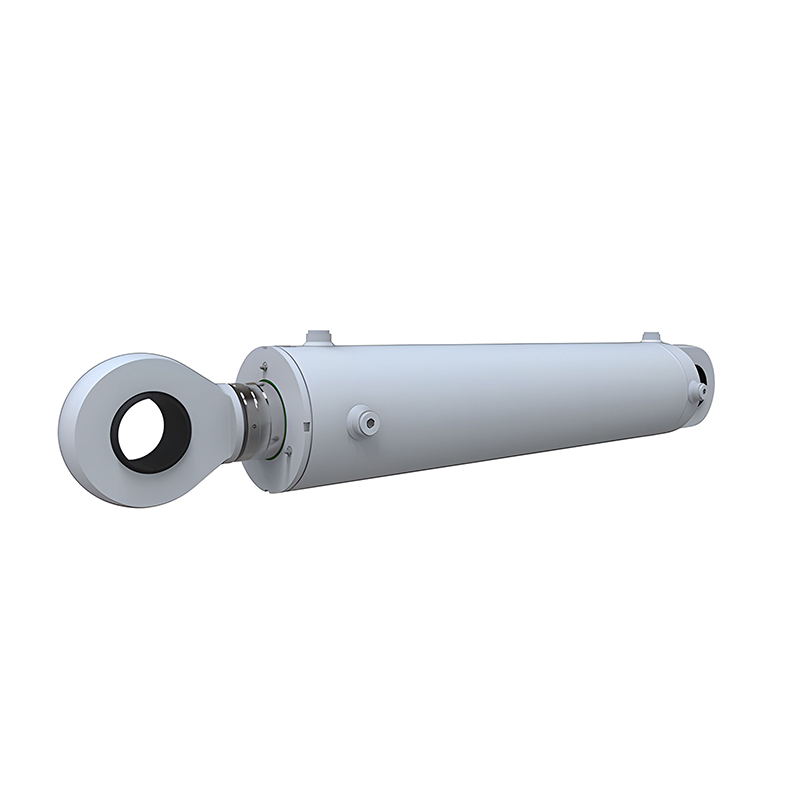
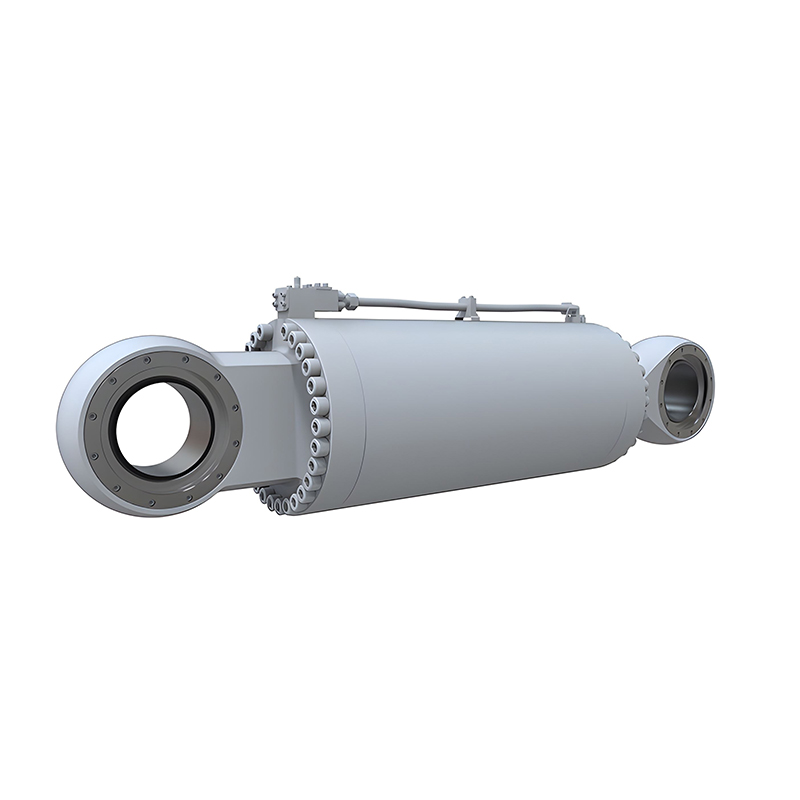
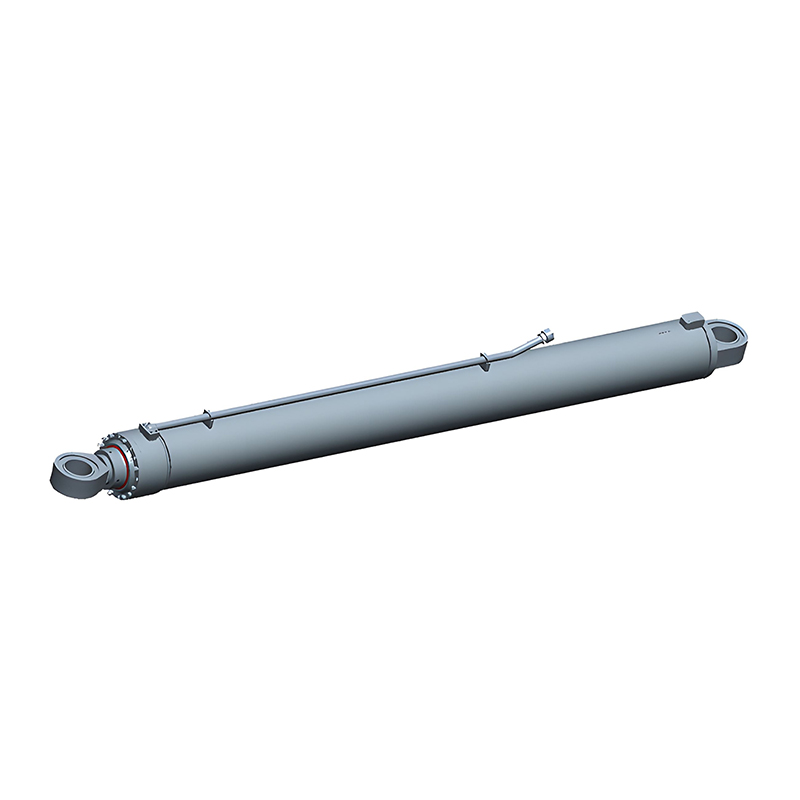
 Excavator Hydraulic CylinderScientific structure optimization The working condition of the excavator is very bad, with long continuous operation time and large pressure impact, so the requirement...View Product →
A few cylinder designs need slightly different handling, so we have gathered the differences in one place:
| Cylinder Type | Where Air Collects | Practical Bleeding Tip |
|---|---|---|
| Double-acting | Both pressure and rod chambers | Cycle with partial strokes in both directions before full strokes |
| Single-acting, gravity return | Pressure side only | Extend under low pressure, then let the load retract the rod slowly |
| Telescopic | Each successive stage | Extend fully under a light load so air escapes stage by stage |
| Long-stroke | Along the full bore length | Bleed at low speed, repeat as needed, and verify rod alignment |
Material handling machines deserve a special mention. Mast and tilt cylinders on a forklift that sat idle over a long weekend often feel spongy on Monday morning, and a quick purge before the first pallet restores confidence in the lift.
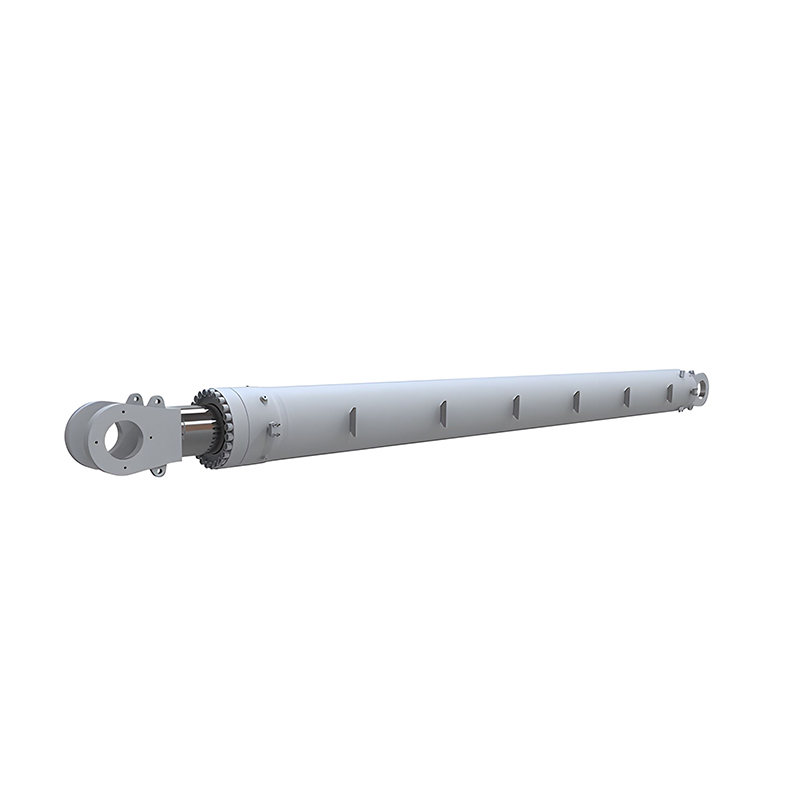
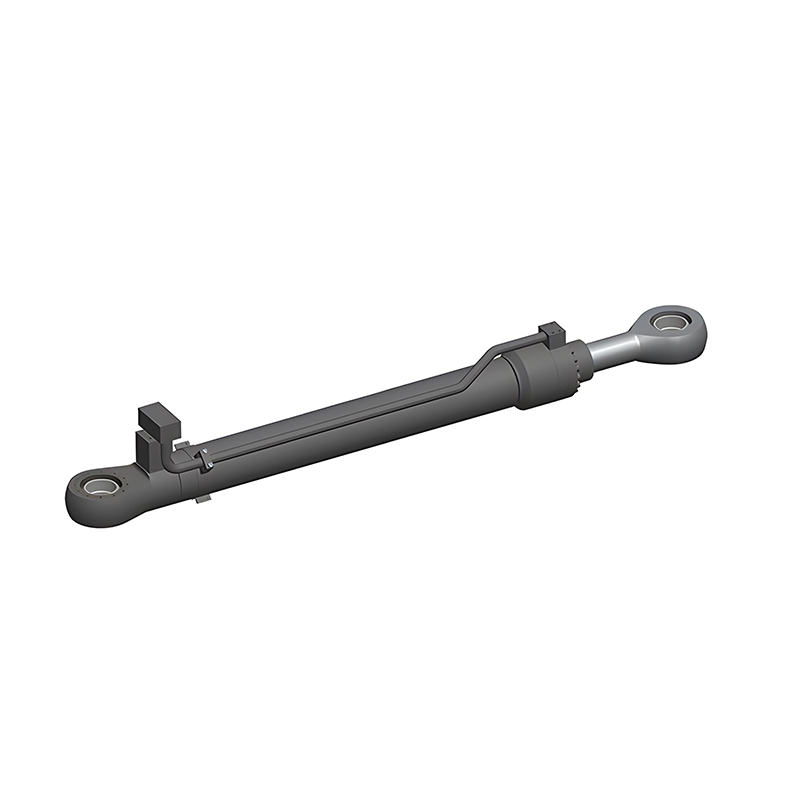
 Forklift Hydraulic CylinderApplied to logistics vehicles, forklifts, etc Logistics equipment is one of the main working tools of modern enterprises, and the basis of rational organization of bat...View Product →
Because our cylinders end up in everything from workshop presses to refuse compactors, we hear bleeding stories from many industries, and a few patterns repeat:
For shop equipment, remember that a cylinder under aerated oil can release stored energy in a jerk rather than a smooth push, so treat the first few strokes after bleeding as test strokes.
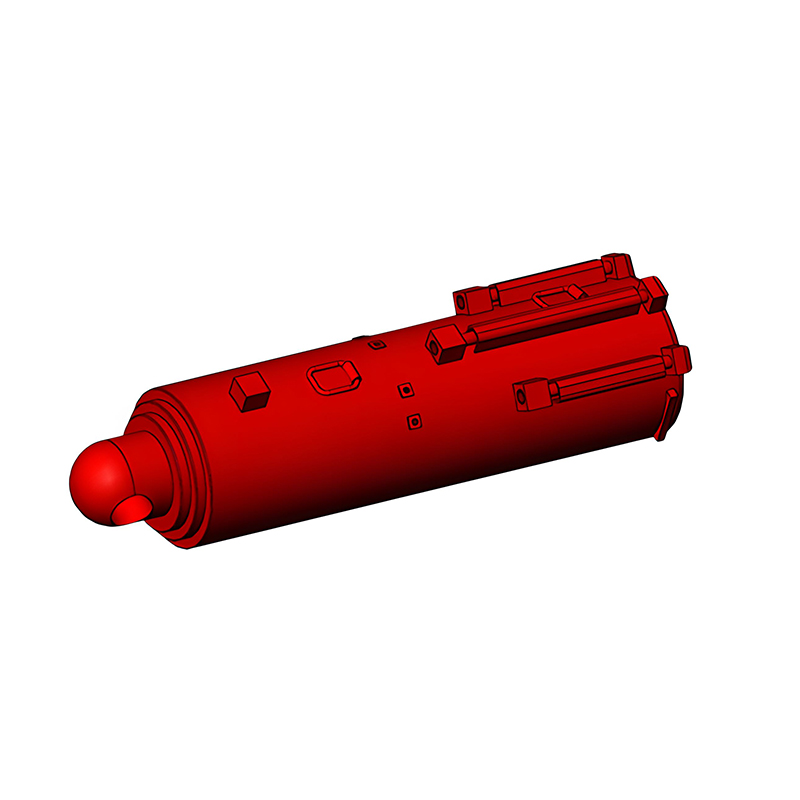
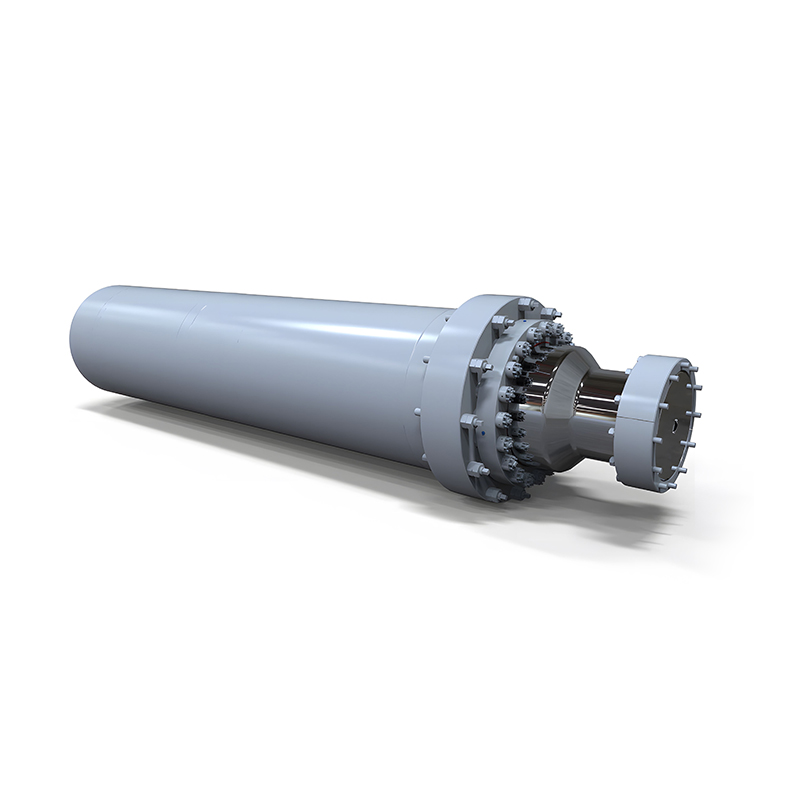 Hydraulic Press CylinderSpecial structure design, good performance Because of the high speed of forging machinery and the large impact load, there will be a great test for the fatigue strengt...View Product →
If you have bled the system correctly and the cylinder still sponges, drifts, or loses holding force, air was a symptom rather than the disease. The usual suspects are:
Seals top the list in our experience. Fresh fluid, correct filtration, and a timely seal replacement usually end the cycle of repeated bleeding, and our hydraulic cylinder seal kits cover the bore and rod combinations we manufacture. If the cylinder is visibly leaking rather than just spongy, our guide to fixing a leaking hydraulic cylinder walks through diagnosis, disassembly, and reassembly step by step.
When a cylinder is beyond seals and fluids, replacing it with a properly matched unit is the honest answer. We build both standard replacements and drawing-based custom cylinders so maintenance teams do not have to improvise.
Bleeding a hydraulic cylinder rewards patience more than strength: clean fluid at the right level, low pressure, slow strokes, and a watchful eye on the reservoir clear most air problems in an afternoon. Make it part of your regular maintenance routine and you will rarely meet a spongy cylinder twice. If you would rather start with cylinders engineered to resist aeration in the first place, we are always glad to help, whether you need a standard replacement or a design built to your own drawings.

Copyright © Jiangsu Hengcai Hydraulic Mechanical Co., Ltd. All Rights Reserved.
 Custom Hydraulic Cylinders Manufacturers