English
 中文简体
 русский
 عربى
Ouick Product Search
Provide Hengcai OEM program, product name and other information. The content of this information is for reference only.
2026-11-05
Every so often, a cylinder arrives at our workshop with the nameplate gone or the paint too faded to read. The first question is always the same: how do you measure the stroke? It can feel tricky when the cylinder is heavy, dirty, or still mounted in a machine. After hundreds of measurements a year, we can tell you that a reliable stroke comes down to two clean pin-to-pin measurements and one simple subtraction.
Stroke length is the distance the piston rod travels from fully retracted to fully extended. It decides how far a machine component actually moves: the lift height of a fork carriage, the reach of a dump body, or the extension of an outrigger. Bore and rod diameter determine how much force a cylinder produces; stroke determines where that force is applied.
A common confusion is thinking overall length equals stroke. It does not. Overall length includes the barrel, rod, and mounting hardware. Two cylinders can have very different overall lengths yet share the same stroke, which is why we always measure mounting centers rather than the physical shell.
Before you start, gather a metal tape measure long enough to span the extended cylinder, a caliper for the rod and bore, a cloth, and a notepad. If the cylinder is still connected to a machine, release the hydraulic pressure and support the equipment safely. Never work on a cylinder that can extend under its own weight or trapped pressure.
Set the rod fully retracted on a clean, flat surface. Mark the pin holes so your tape lands on the same points every time. If the cylinder has adjustable stops or limit switches, note their position before measuring, because they can reduce usable stroke.
With the rod fully retracted, measure from the center of the base mounting pin hole to the center of the rod-end pin hole. Write this down as the retracted length, also called the closed center distance. For a clevis, measure between pin centers; for a flange or trunnion, use the reference surface to the rod-end pin center. Use the same reference points in both measurements.
Fully extend the rod, supporting it or laying the cylinder along a straight bench. Measure from the same two points: center of the base pin hole to center of the rod-end pin hole. Record this as the extended length, or open center distance. Make sure the rod is all the way out and not resting on a cushion at the end of travel.
Subtract the retracted length from the extended length. That difference is the stroke. If extended length is 800 mm and retracted is 500 mm, the stroke is 300 mm. This is the number that appears on a data sheet, and the one we use when quoting a replacement.
Rod diameter affects seal size and column strength. Use a caliper on a clean, unworn spot of the exposed rod, take two readings about 90 degrees apart, and average them. Avoid measuring over damaged plating, as it will not reflect the true nominal diameter.
The bore is the inside diameter of the tube. If the head is off, measure the barrel directly. If the cylinder is sealed, look for the bore stamped on the barrel or estimate it from the port-to-port distance. Bore determines force, so record it alongside stroke.
| Dimension | How to measure | Why it matters |
|---|---|---|
| Retracted length | Pin center to pin center, rod fully in | Starting point for stroke calculation |
| Extended length | Pin center to pin center, rod fully out | End point for stroke calculation |
| Stroke | Extended length - retracted length | Determines travel distance |
| Rod diameter | Caliper on clean rod surface | Affects seal size and column strength |
| Bore diameter | Inside of barrel or port reference | Determines force output |
The most expensive mistake we see is ordering a replacement based on stroke alone, then finding the travel is right but the mounting distance is wrong. Always verify the mounting style before contacting a supplier. Watch for these common errors:
When a forklift mast cylinder needs replacing, stroke must match the mast geometry exactly. Too short, and the forks will not reach full lift height; too long, and the carriage may strike the mast frame at the top of travel. That is why we ask for stroke, bore, rod, mounting style, and port positions together.
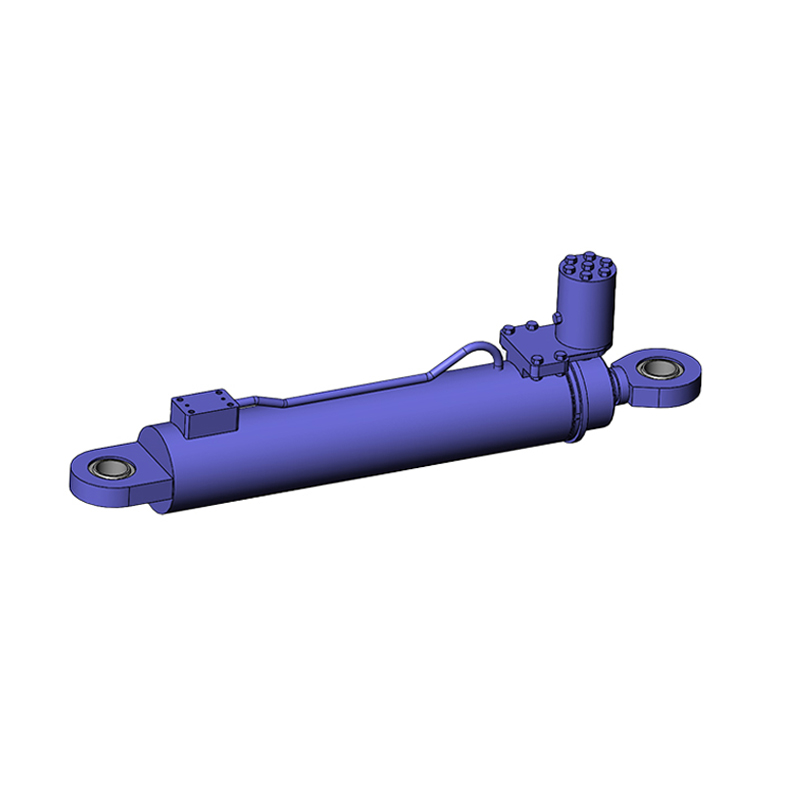
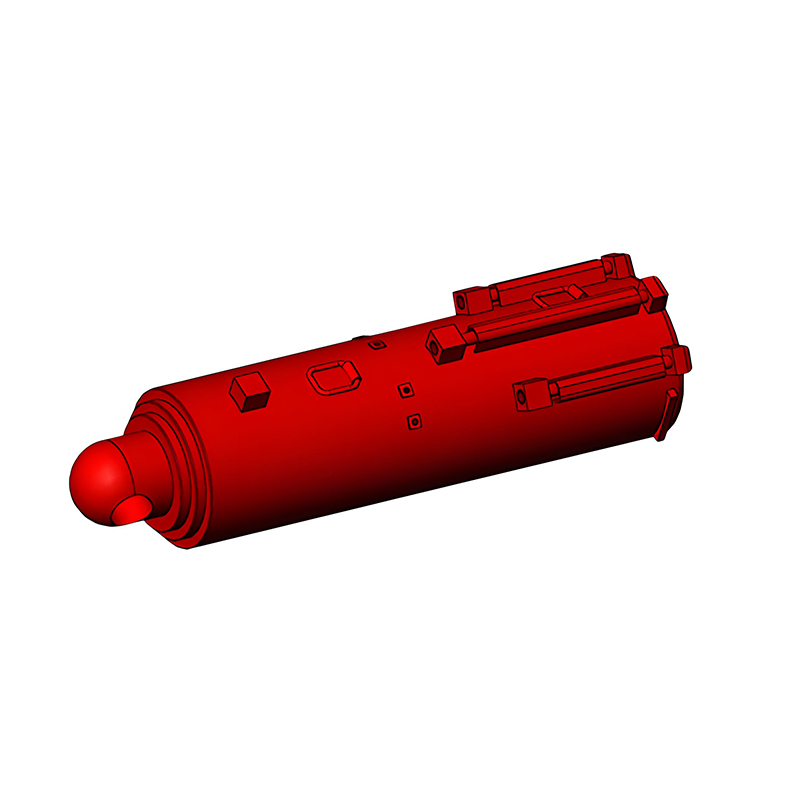
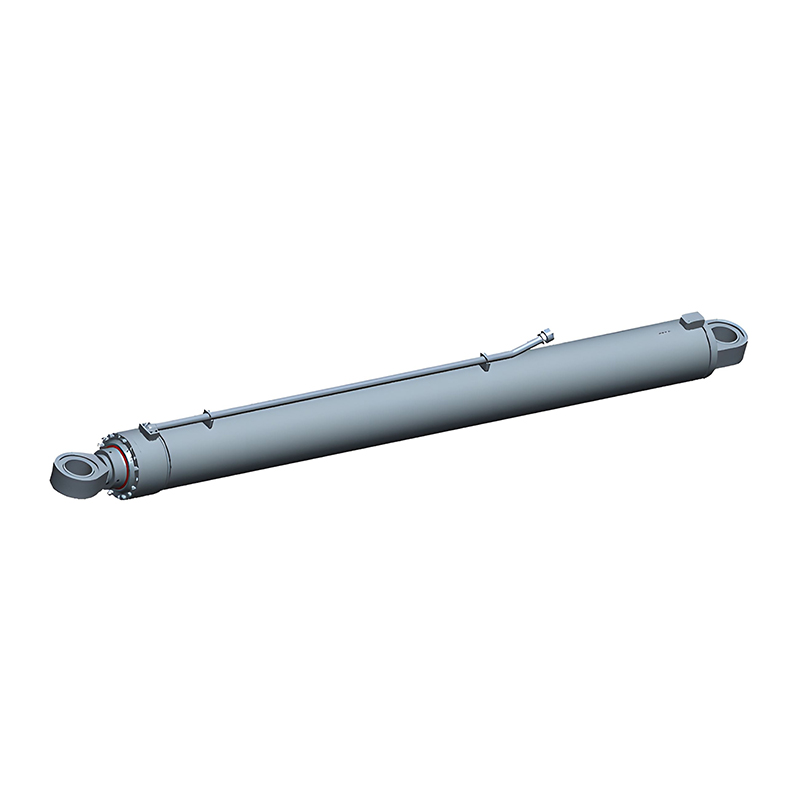 Forklift Hydraulic Cylinder with Customizable StrokeThis cylinder is essential for mast lift applications; precise stroke measurement ensures proper forklift height and prevents carriage impact.View Product →
The same logic applies to aerial work platforms, where scissor linkages multiply cylinder stroke into platform rise. A small stroke error can change working height by half a meter or more. Measuring the old cylinder carefully, and keeping a record, makes replacement far faster next time.
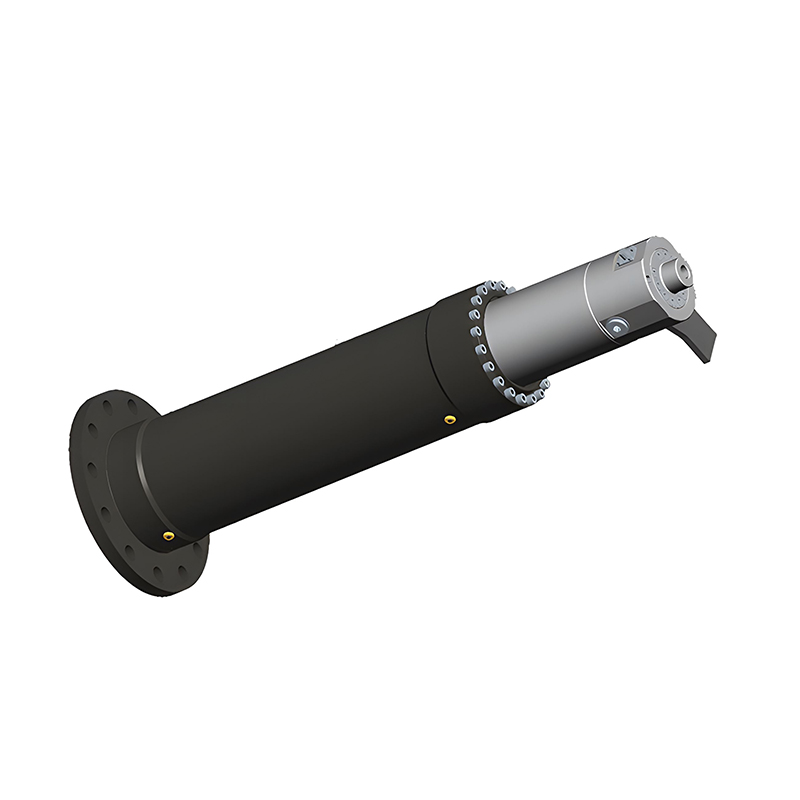
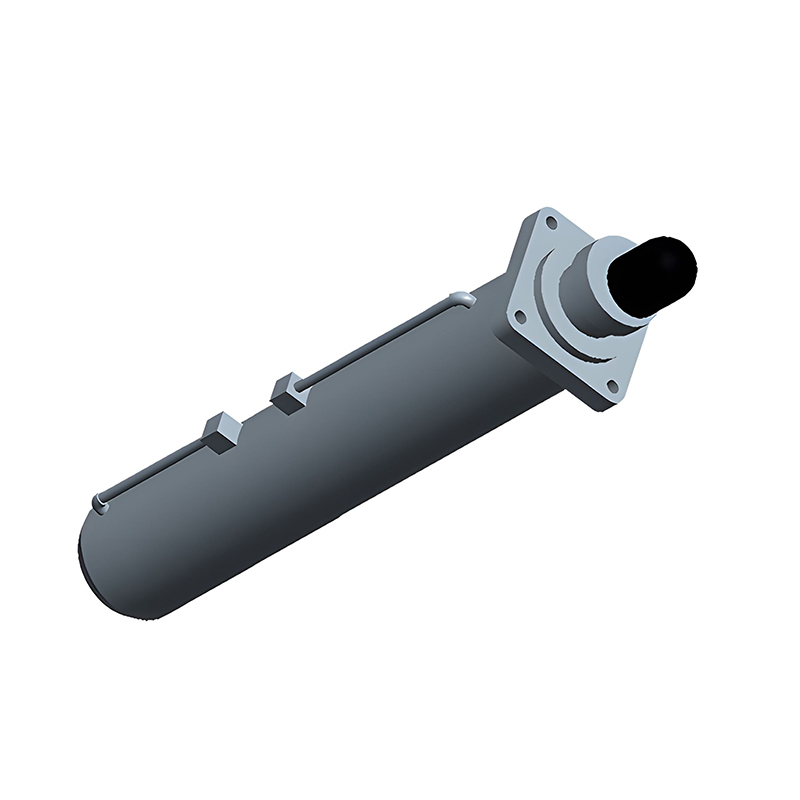
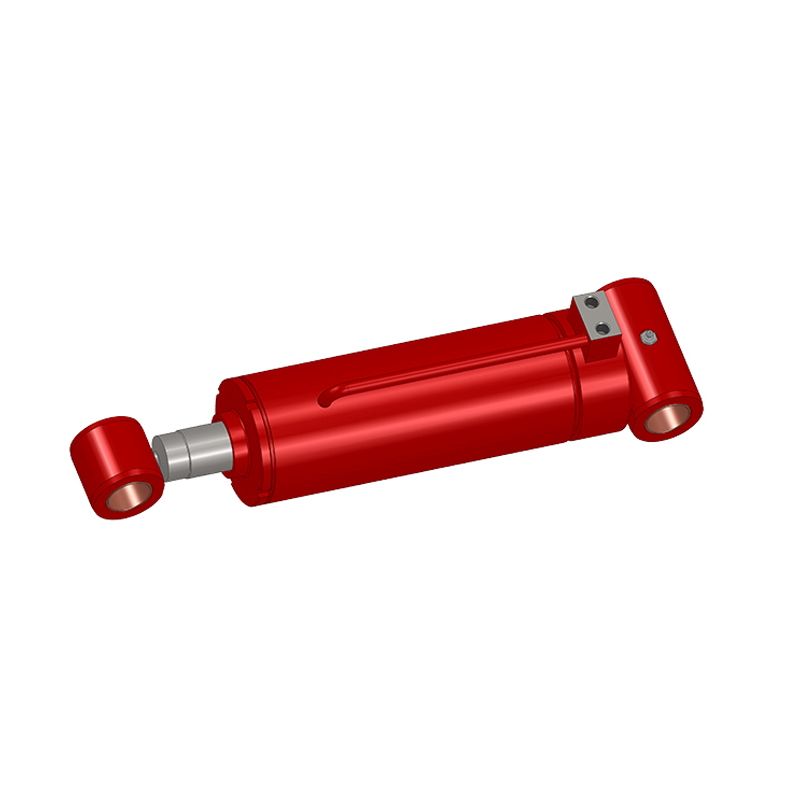 Aerial Work Platform Hydraulic Cylinder for High LiftsDesigned for scissor and articulated lifts, this cylinder offers long stroke options and robust construction, ideal for accurate platform elevation.View Product →
If the cylinder is damaged and cannot be fully extended, estimate the stroke by measuring the exposed rod length, or from the piston position if the head is removed. When in doubt, send us the numbers you have with a few photos; an experienced eye can often spot what is missing.
For new machinery, choose stroke with a little reserve. Using about 80 percent of the available stroke in normal operation leaves room for load positioning and reduces side loading at full extension. Constant work at the very end of stroke accelerates seal wear and stresses the rod bearing.
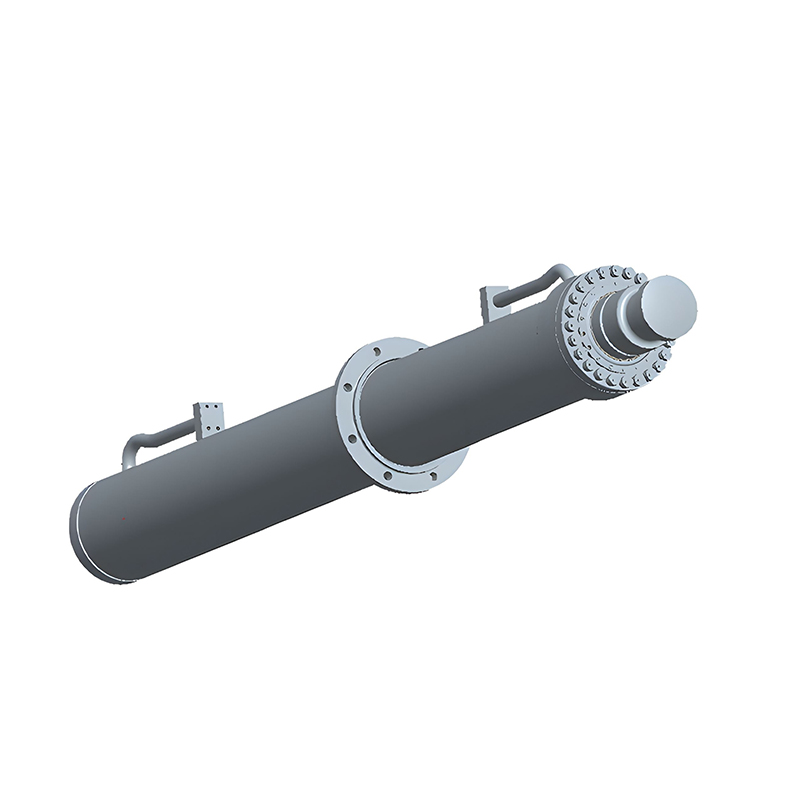
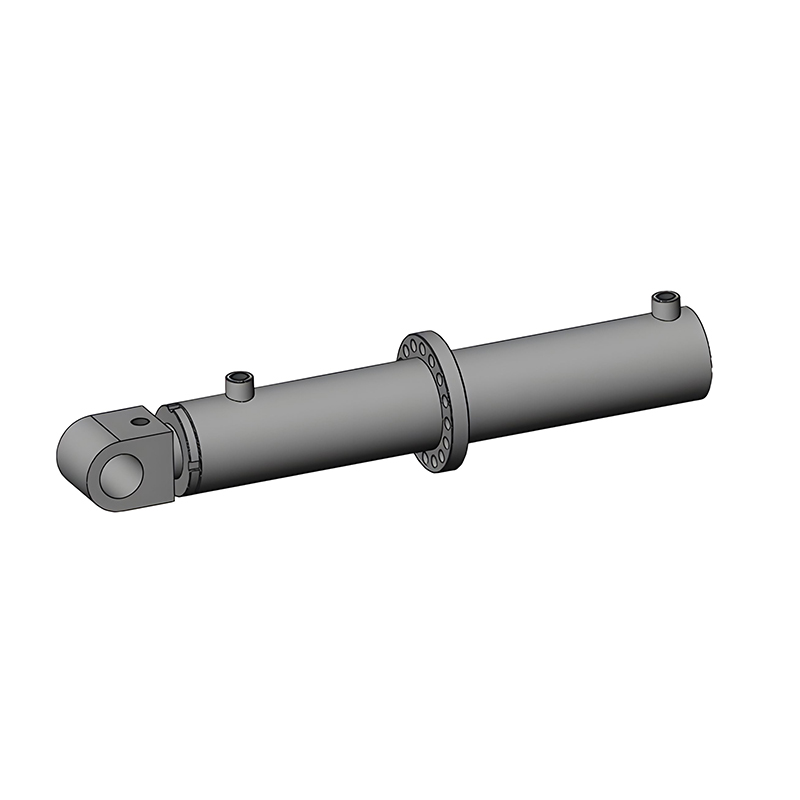
Long strokes bring their own challenge. As stroke grows, the extended rod becomes more vulnerable to buckling under compressive load. Solutions include a larger rod diameter and an internal stop tube, which transfers bending loads away from the rod gland. Our long-stroke hydraulic cylinders page gives a sense of what is practical.
Construction equipment such as excavators shows why stroke matters. The boom, arm, and bucket cylinders each have a stroke matched to the linkage geometry so the attachment reaches the right digging envelope without binding at either end.
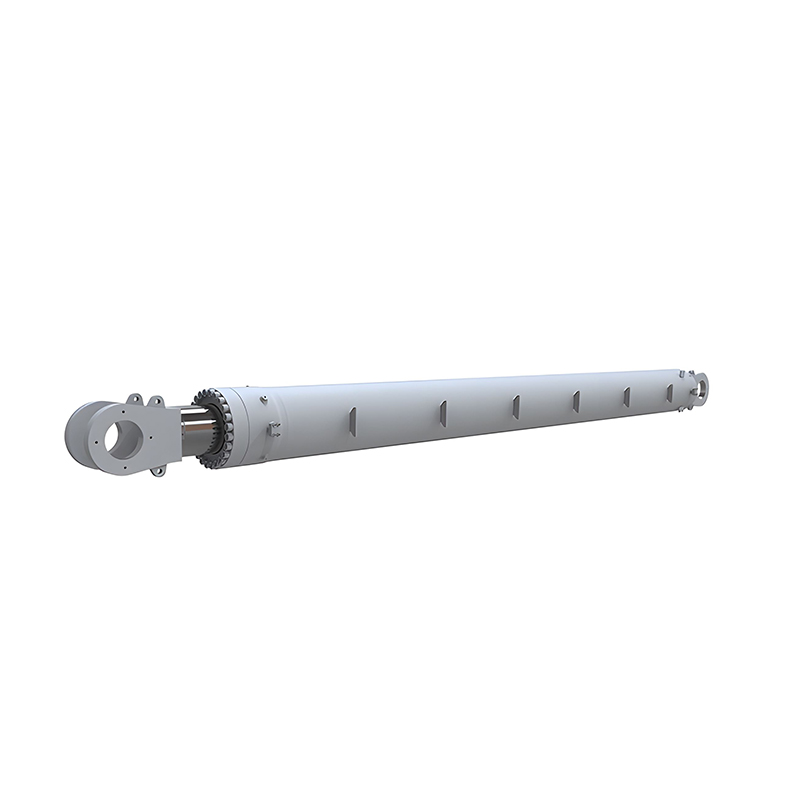
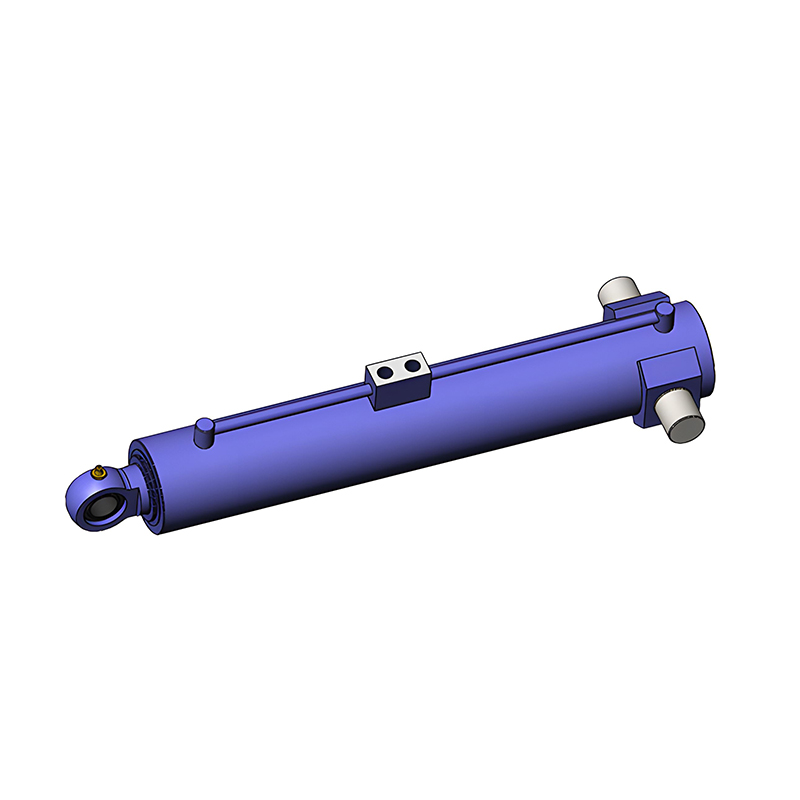
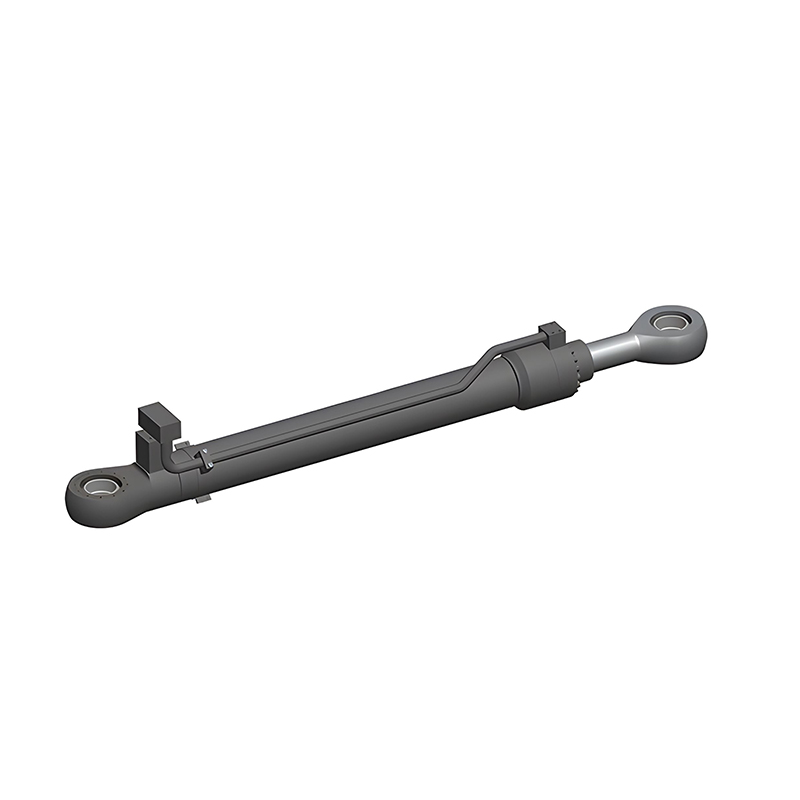 Excavator Hydraulic Cylinder for Boom and ArmBuilt for excavators of all sizes, this cylinder ensures correct stroke for linkage geometry, enhancing digging envelope and preventing binding.View Product →
Mounting style also affects how stroke translates into movement. A clevis-mounted cylinder pivots as it extends, so the effective length change differs slightly from a flange-mounted cylinder. When sizing a cylinder from scratch, work through the linkage kinematics first. Our step-by-step sizing guide walks through force, speed, and stroke selection.
Standard stroke increments are cheaper and faster to deliver because barrel, rod, and piston come from existing stock. A custom stroke is not a problem; much of our work is custom. It just adds engineering time for seal placement, cushioning, and buckling checks. The stroke you measure will often not match a standard table exactly, and that is normal. Record actual travel rather than forcing it to a round number.
Keep all measurements in one unit system and check them twice. A few millimeters can make a big difference in a tight linkage.
That is how we measure stroke when a cylinder arrives for rebuilding or replacement. It takes a tape measure, a few minutes, and a willingness to check your numbers twice. If something does not add up, send us the dimensions and a photo of the mounting ends; we are glad to confirm the stroke before you order.

Copyright © Jiangsu Hengcai Hydraulic Mechanical Co., Ltd. All Rights Reserved.
 Custom Hydraulic Cylinders Manufacturers