English
 中文简体
 русский
 عربى
Ouick Product Search
Provide Hengcai OEM program, product name and other information. The content of this information is for reference only.
2026-11-02
Synchronizing hydraulic cylinders sounds simple until you try it. Two cylinders on the same load look identical, yet once the pump starts, one always runs ahead of the other. The load tilts, the structure binds, and the machine stops behaving as the drawing promised. After more than three decades of building cylinders for construction, marine, mining, and industrial equipment, we have learned that there is no single best way to synchronize cylinders — only the best way for your machine, your accuracy requirement, and your budget. This guide covers five proven approaches and how to choose between them.
Before picking a method, it helps to understand why cylinders drift. No two cylinders are identical once installed. Differences in seal friction, rod straightness, bearing clearance, and even oil temperature create small flow discrepancies. The cylinder with slightly less friction always moves first and keeps running ahead until something stops it.
Uneven loads make it worse. A heavier corner of a platform pushes more oil out of its cylinder, while a lighter corner lets its cylinder run away. Without a positive way to keep pistons in step, the drift grows with every cycle.
Tying the cylinders together mechanically is the oldest and simplest solution. In a scissor lift, a press, or a short transfer platform, the moving frame itself acts as the synchronizer. Neither cylinder can advance beyond the other because the structure physically prevents it.
The advantages are clear: no extra valves, no sensors, no tuning. The limitations matter too. The frame must be stiff enough to resist bending and torsion, and the cylinders need to be close enough for the mechanical link to stay practical. On long machines, the structure becomes too heavy to be economical.
In a series circuit, the oil leaving one cylinder flows directly into the next. Each cylinder must be a double-rod design, so the rod-end swept volume of one equals the bore-side swept volume of the next. The cylinders are then locked together hydraulically and travel the same distance within a fraction of a millimetre.
Series circuits need no electronics and hold good accuracy, but they have two limitations. Pressure intensification can multiply intermediate pressures to unsafe levels, and the cylinders must reach the end of their stroke periodically to re-phase. If one cylinder loses a little oil past its piston seals, the error accumulates. Our tie-rod cylinders are often specified here, because the design makes double-rod variants and end-switch mounting straightforward.
The workhorse in most industrial machinery is the flow divider. A rotary flow divider takes one pump flow and splits it into two equal flows with a pair of gear sections on a common shaft. Accuracy is typically within ±1.5 to 3 percent, which is adequate for many lifting and levelling applications.
For more than two cylinders, dividers are cascaded: the first splits the flow in half, then the next splits each half again. A four-cylinder platform with two cascade levels stays reasonably level without a single sensor. Aerial work platforms, forklift attachments, and vehicle tailboards commonly use this approach.
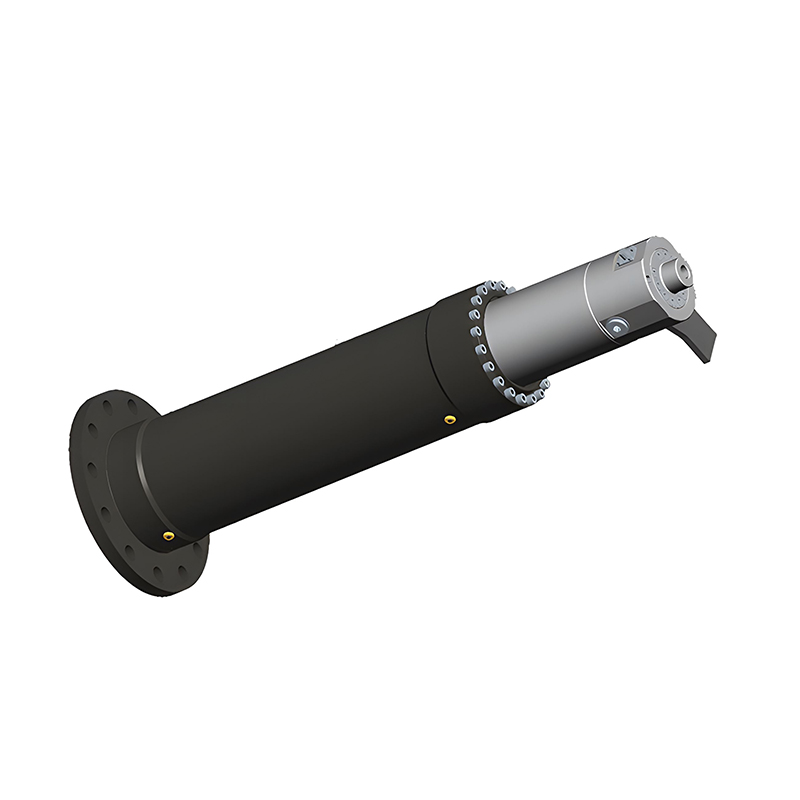
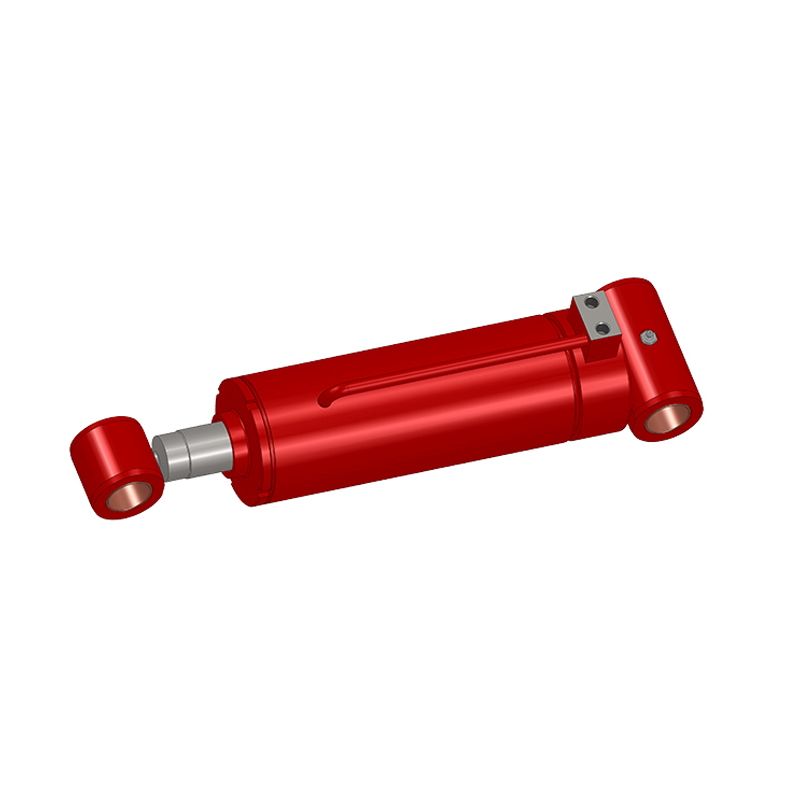 Aerial Work Platform Hydraulic Cylinder for Synchronized LiftingThis cylinder suits multi-cylinder aerial platforms where cascade dividers provide basic leveling, but feedback may be needed for heavier loads. Its modular, lightweight design aids maintenance.View Product →
The weakness is that flow dividers synchronize flow from the inlet, not position at the cylinders. If one cylinder meets a much heavier load, internal leakage in the divider lets flow take the path of least resistance. For tighter accuracy, you need feedback.
When the tolerance is tight — say ±1 mm or better — or loads vary continuously, closed-loop control is the practical answer. Each cylinder carries a linear transducer that reports position to a controller. The controller adjusts proportional valves to speed up the slow cylinder and hold back the fast one.
This is the method used on hydraulic presses that must keep the platen parallel within tenths of a millimetre. The cost is higher — transducers, proportional valves, and a controller — but accuracy and repeatability justify it.
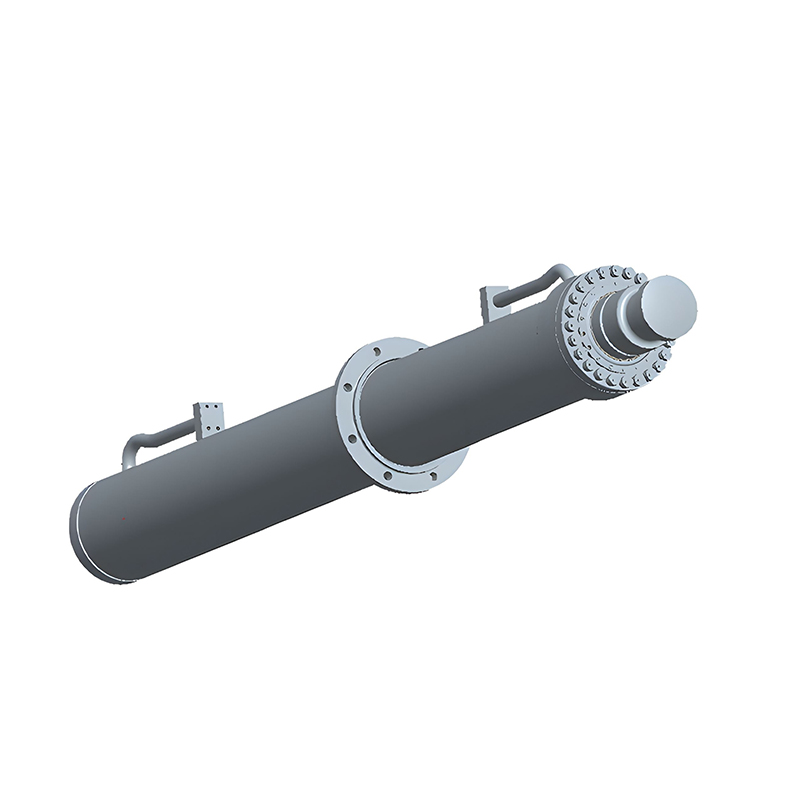
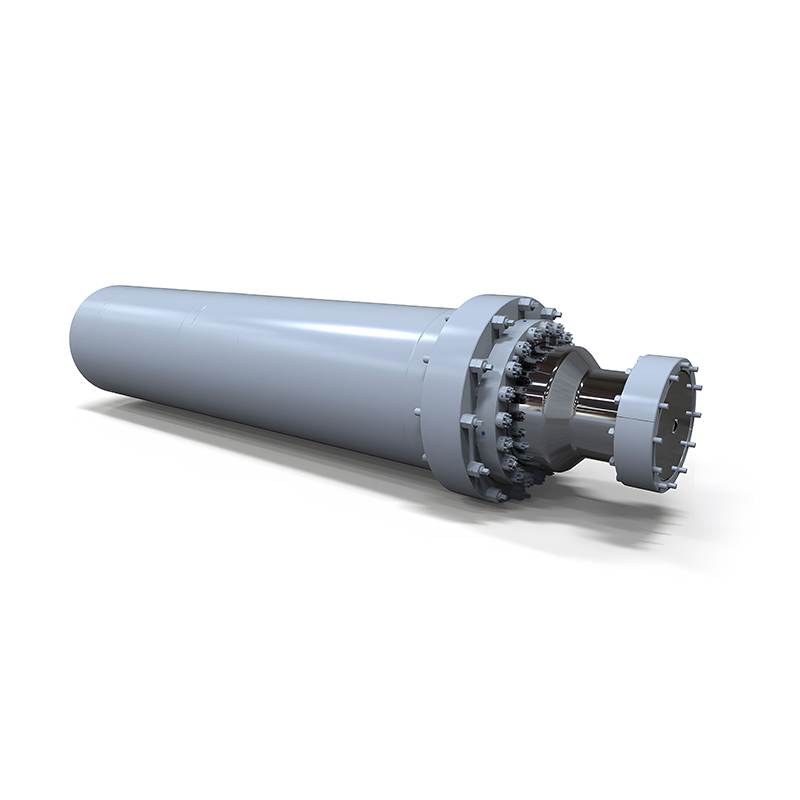 Hydraulic Press Cylinder with Precision Closed-Loop ControlDesigned for high-force presses requiring parallel platen accuracy, this cylinder supports closed-loop systems with transducers and proportional valves, offering reliable repeatability under heavy loads.View Product →
Closed-loop systems also simplify change. Reprogramming the controller lets the same circuit handle a different lift curve or a different number of cylinders.
A split-flow pump is several pump sections in one housing, all driven by a common shaft. Each section has the same displacement, so the flow to each cylinder is inherently equal. It is accurate and efficient, avoiding the energy loss of throttling through a divider.
The drawbacks are flexibility and scale. Matching pump sections to cylinders makes the system rigid, and each section is limited in displacement. Split-flow pumps appear most often on mobile equipment with two to four synchronized actuators, such as levelling systems on drill rigs and agricultural implements.
The table below compares the five approaches across the factors that matter most when planning a system.
| Method | Typical Accuracy | Cylinder Count | Relative Cost | Best For |
|---|---|---|---|---|
| Rigid mechanical coupling | Very high (structural) | 2–4 | Low | Scissor lifts, short press platens |
| Series connection | Good, needs rephasing | 2–4 | Medium | Long-stroke, no-electric environments |
| Flow divider/combiner | ±1.5–3% | 2–8 | Low–Medium | Lifting platforms, tailboards, general industry |
| Closed-loop control | ±0.1% or better | Any | High | Presses, large platforms, precision machinery |
| Split-flow pump | ±0.5–1% | 2–4 | Medium–High | Mobile equipment, energy-sensitive systems |
Accuracy figures assume matched cylinders under stable conditions. Uneven loads, air, or worn seals can push any method below its nominal performance.
Start with three numbers: the accuracy the machine needs, the number of cylinders to synchronize, and the budget for the control system. Then apply these rules of thumb.
The best method in the world will not save a badly commissioned circuit. These habits keep synchronized machines moving together.
For more on keeping construction cylinders healthy over the long term, see our guide on extending the lifespan of construction hydraulic cylinders.
Sometimes the easiest way to improve synchronization is to start with a better cylinder. Cylinders with consistent low-friction seals, straight piston rods, and accurately machined bores naturally run closer to their twins than cylinders at the limit of tolerance.
For shipboard equipment such as marine cranes, synchronized motion is a safety requirement as much as a performance one. A crane luffing with two cylinders out of step will twist the boom and overstress the pedestal. The cylinder itself must be engineered for the job — matched volumes, consistent friction, and a rod that stays straight under sideload.
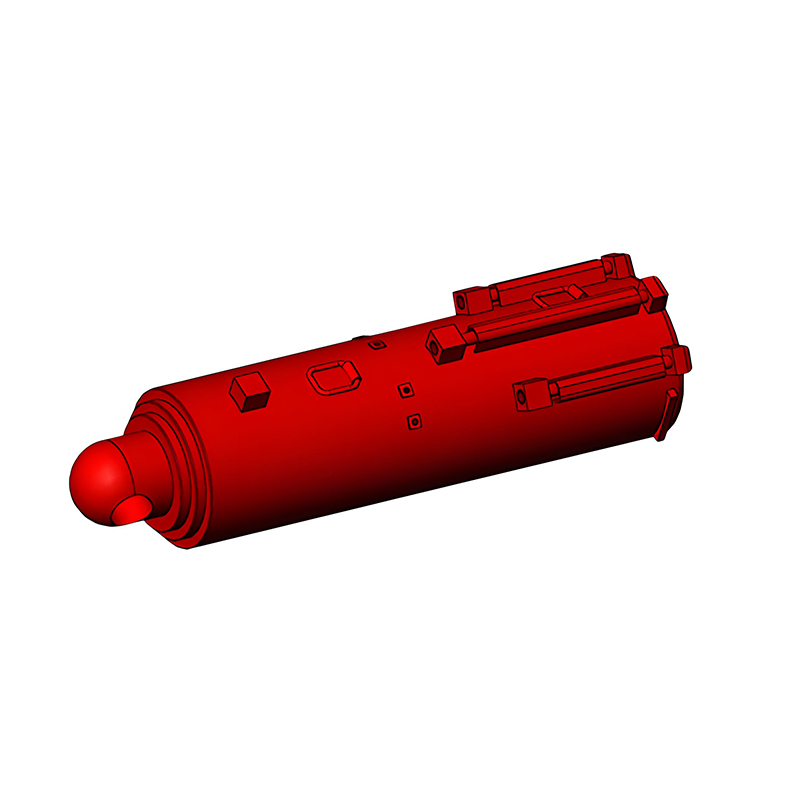
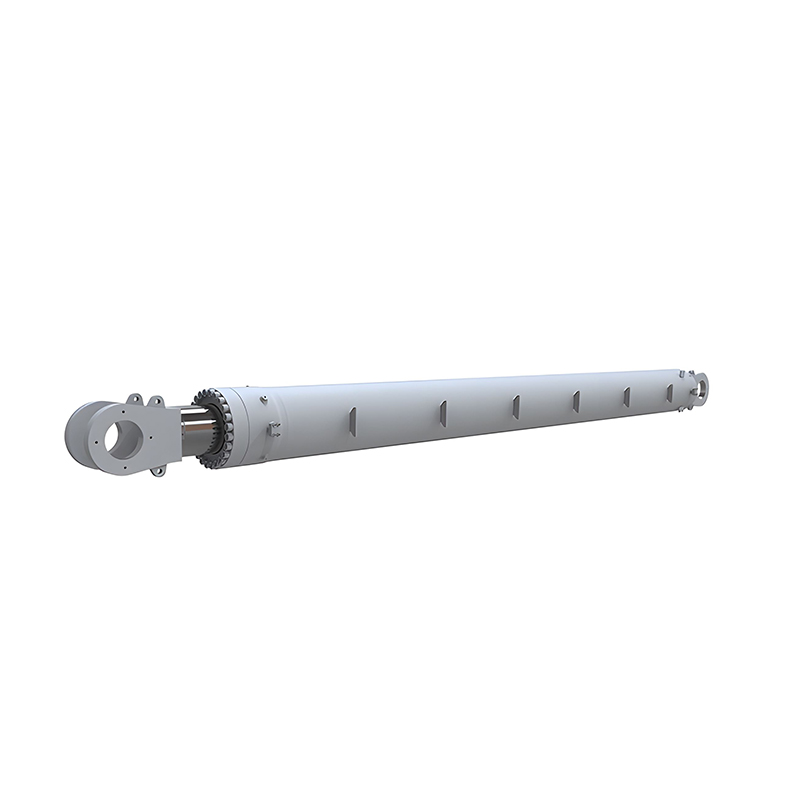 Corrosion-Resistant Marine Crane Cylinder for Safe Synchronized MotionEngineered for shipboard cranes, this cylinder features salt-spray-tested chrome plating and matched flow to keep twin cylinders in step, preventing boom twist and pedestal overstress.View Product →
If you are laying out a synchronized circuit, talk to our engineers early in the design. We build cylinders for aerial platforms, presses, marine cranes, and mining machinery, and we routinely match cylinder sets for flow and friction before they leave the factory. A little attention at the design stage saves a lot of downtime on the job site.
No method can fix cylinders that fight their own mechanics. Start with well-matched cylinders, choose the method that fits your accuracy requirement, and keep the system bled and serviced. The reward is a machine that moves smoothly, lifts safely, and stays productive for years.

Copyright © Jiangsu Hengcai Hydraulic Mechanical Co., Ltd. All Rights Reserved.
 Custom Hydraulic Cylinders Manufacturers