English
 中文简体
中文简体 русский
 عربى
عربىOuick Product Search
Provide Hengcai OEM program, product name and other information. The content of this information is for reference only.
2026-07-15
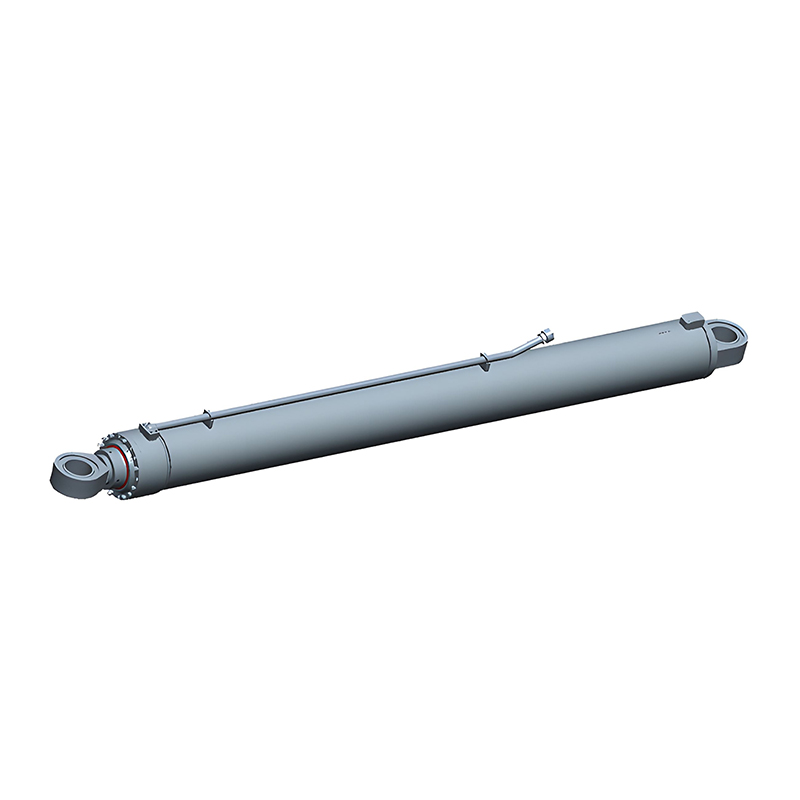
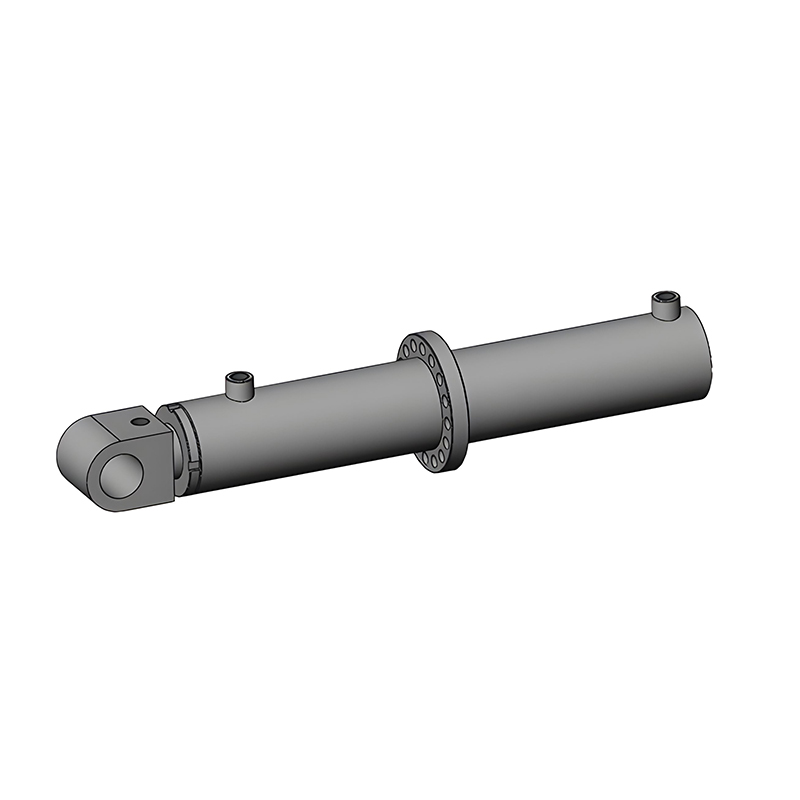
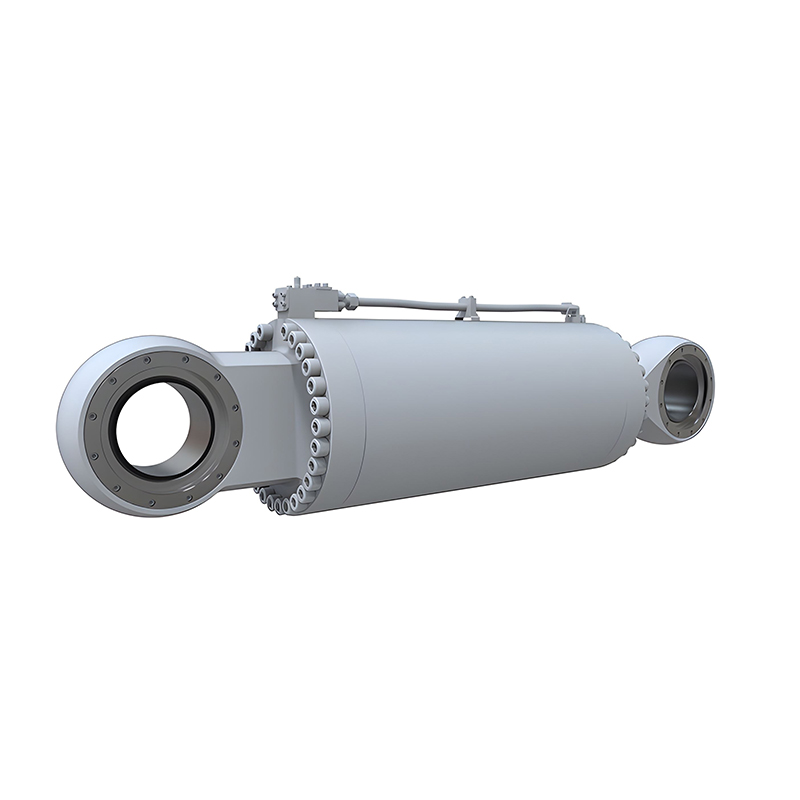
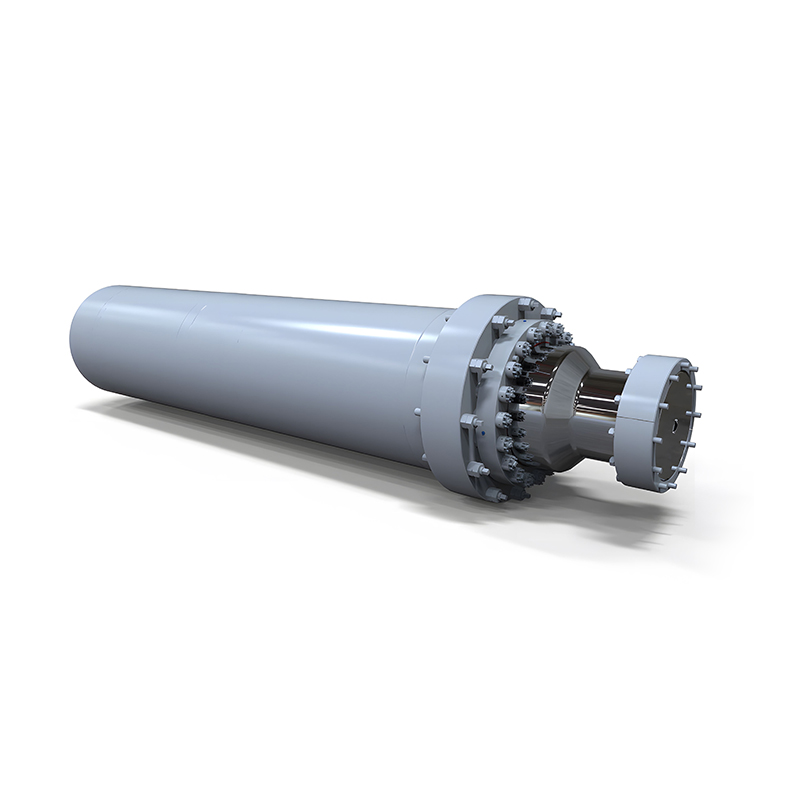
Quick answer: a hydraulic cylinder is a mechanical actuator that converts the energy of pressurized hydraulic fluid into controlled linear force and motion — a piston moves inside a sealed cylindrical barrel, and fluid pushed in on one side extends or retracts the piston rod. It's the component that lets a relatively small pump generate very large, precise pushing or pulling force, which is why hydraulic cylinders show up in everything from excavator arms to boat steering systems. In marine applications specifically, standard industrial cylinders aren't a safe substitute — saltwater exposure, constant vibration, and submersion risk require cylinders built with marine-grade sealing and corrosion-resistant materials from the start, not added later.
Hydraulic cylinders are one of those components everyone has seen work without necessarily knowing the name for it: the smooth, powerful motion of a dump truck bed lifting, a boat lift raising a hull out of the water, or a steering system turning an outboard motor. Understanding what's actually happening inside the cylinder — and what changes when that cylinder has to survive on the water — makes it much easier to buy, maintain, or troubleshoot the right part instead of guessing from a parts catalog.
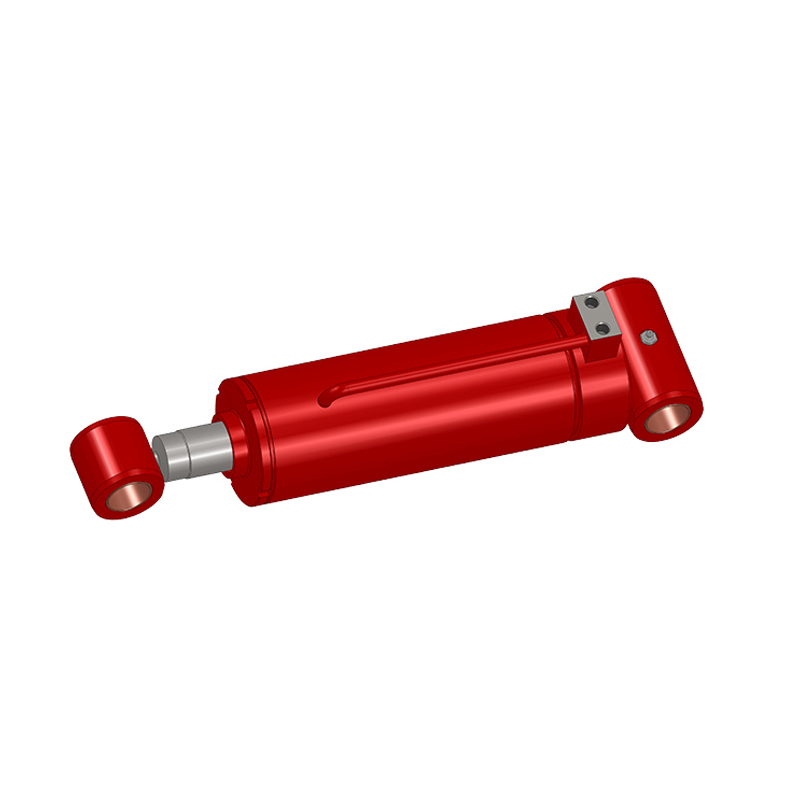
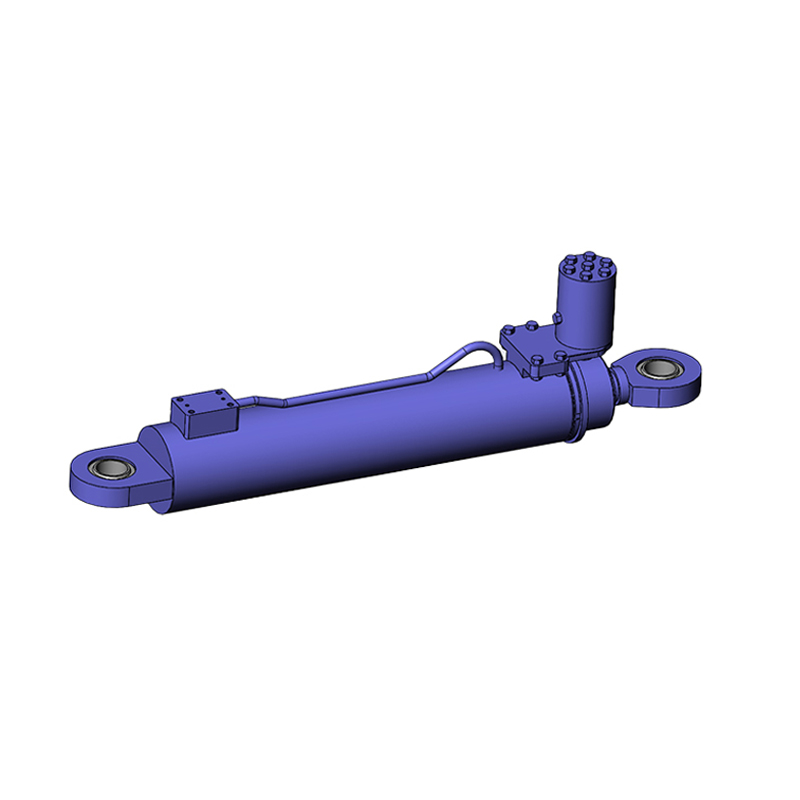
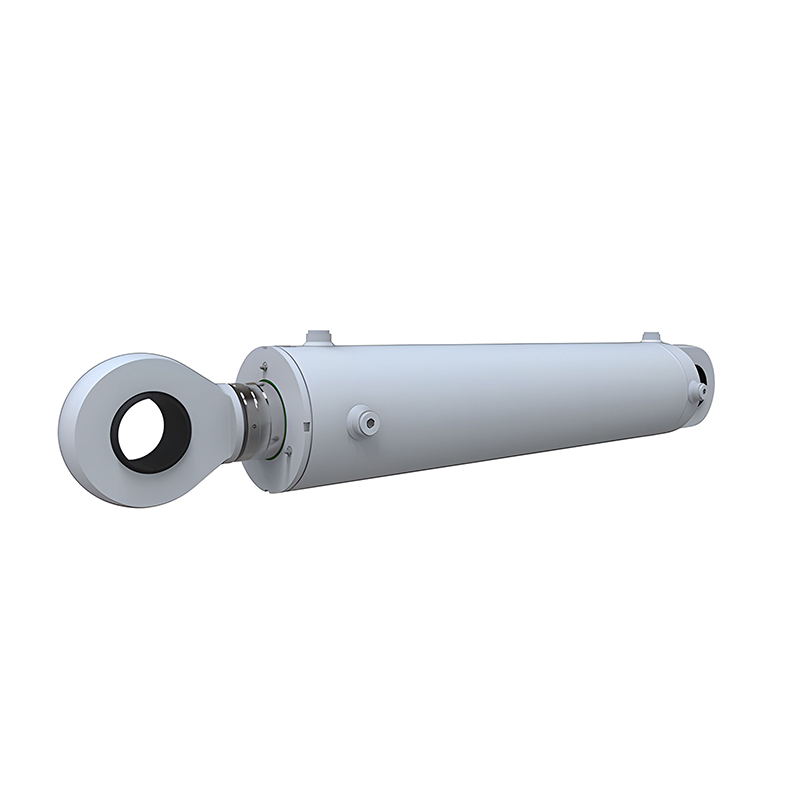
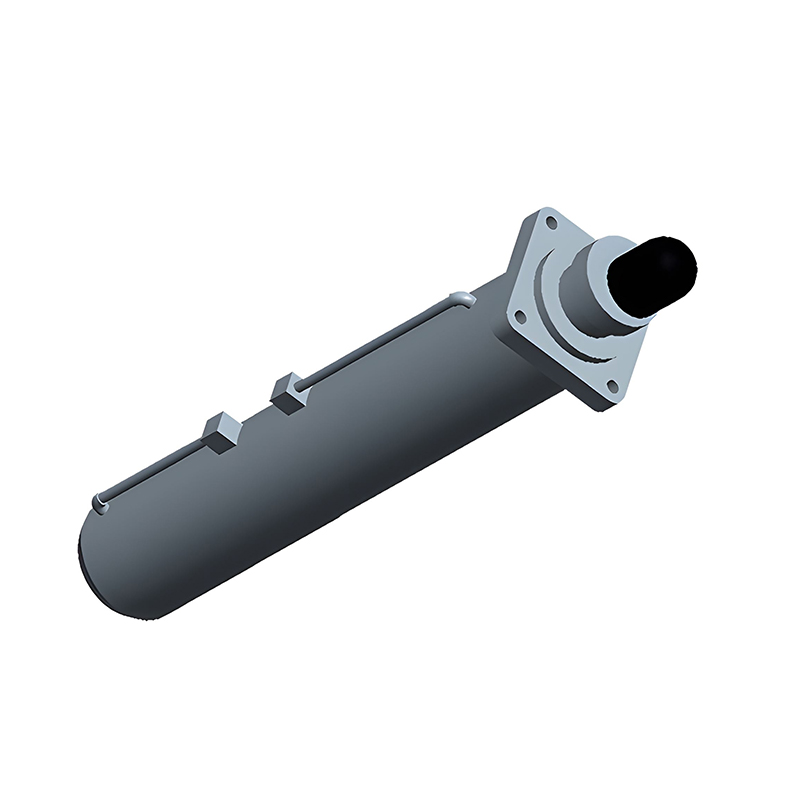
A hydraulic cylinder is built from a small number of core parts working together to turn fluid pressure into mechanical force:
The physics is straightforward: pressurized fluid pumped into one chamber pushes the piston toward the opposite end, extending or retracting the rod. Because fluid is essentially incompressible, the force output scales directly with the piston's surface area and the fluid pressure — which is why hydraulic systems can generate enormous force from a compact cylinder using a moderately sized pump.
| Cylinder Type | How It Works | Common Use |
|---|---|---|
| Single-acting | Fluid pressure extends the rod; a spring or gravity retracts it | Dump beds, simple lifts |
| Double-acting | Fluid pressure both extends and retracts the rod | Steering systems, excavator arms, boat trim tabs |
| Telescopic | Multiple nested stages extend in sequence for long stroke length in a short retracted size | Dump trucks, boat lifts with limited mounting space |
| Tie-rod | External rods hold the end caps to the barrel, allowing easy disassembly | Industrial machinery, serviceable marine steering cylinders |
The underlying mechanism is the same, but the operating environment for a marine cylinder is significantly more demanding than a typical industrial application, and that changes what "good" looks like in terms of materials and sealing.
Standard carbon steel cylinder rods will begin surface corrosion within weeks of regular saltwater spray exposure, and pitting on the rod surface directly damages the rod seals as the cylinder cycles. Marine-rated cylinders typically use chrome-plated stainless steel or hard chrome over a corrosion-resistant base rod, along with marine-grade zinc or aluminum-bronze fittings instead of standard steel hardware.
Many marine cylinders — steering rams, trim tab actuators, boat lift cylinders — sit partially or fully submerged, or are regularly hosed down with fresh or salt water. This requires upgraded rod wiper seals and often double-sealed rod glands to prevent water intrusion into the hydraulic fluid, since water contamination in the fluid accelerates internal corrosion and seal degradation from the inside.
Boats experience continuous vibration and shock loading from wave impact that stationary industrial equipment rarely sees. Mounting hardware and pin connections on marine cylinders are typically built with more generous fatigue margins, and cylinder barrels are often designed with reinforced end caps to handle repeated shock loading over years of service.
Cylinders used in load-bearing marine applications like boat lifts or steering systems are commonly rated to standards such as ABYC (American Boat and Yacht Council) guidelines in the US, which specify minimum safety factors for steering and lifting force. Checking that a marine cylinder is rated to the relevant standard for its application is a meaningful safety check, not just a paperwork formality.
If you're replacing a marine cylinder and unsure whether it's rated for saltwater use, check the rod material spec directly. "Chrome-plated" alone isn't enough detail — ask specifically whether it's hard chrome over stainless steel or over standard carbon steel, since that distinction is the main driver of corrosion resistance.
Marine hydraulic cylinders aren't a single product — the sizing, stroke length, and seal spec vary significantly by application. Matching the cylinder to its actual job prevents both under-spec failures and unnecessary overspending.
Whether specifying a new cylinder or maintaining an existing one, a few checks catch the majority of premature failures before they cause a breakdown on the water.
A hydraulic cylinder converts pressurized fluid into controlled linear force through a piston moving inside a sealed barrel — simple in principle, but the specific materials and sealing design matter enormously once that cylinder has to work in a marine environment. For any application exposed to salt water, vibration, or submersion, prioritize corrosion-resistant rod material, upgraded sealing, and a cylinder rated to a recognized marine standard over a generic industrial part, and build a habit of seasonal seal and fluid inspection to catch wear before it becomes a failure.

Copyright © Jiangsu Hengcai Hydraulic Mechanical Co., Ltd. All Rights Reserved.
 Custom Hydraulic Cylinders Manufacturers