English
 中文简体
中文简体 русский
 عربى
عربىOuick Product Search
Provide Hengcai OEM program, product name and other information. The content of this information is for reference only.
2026-01-21
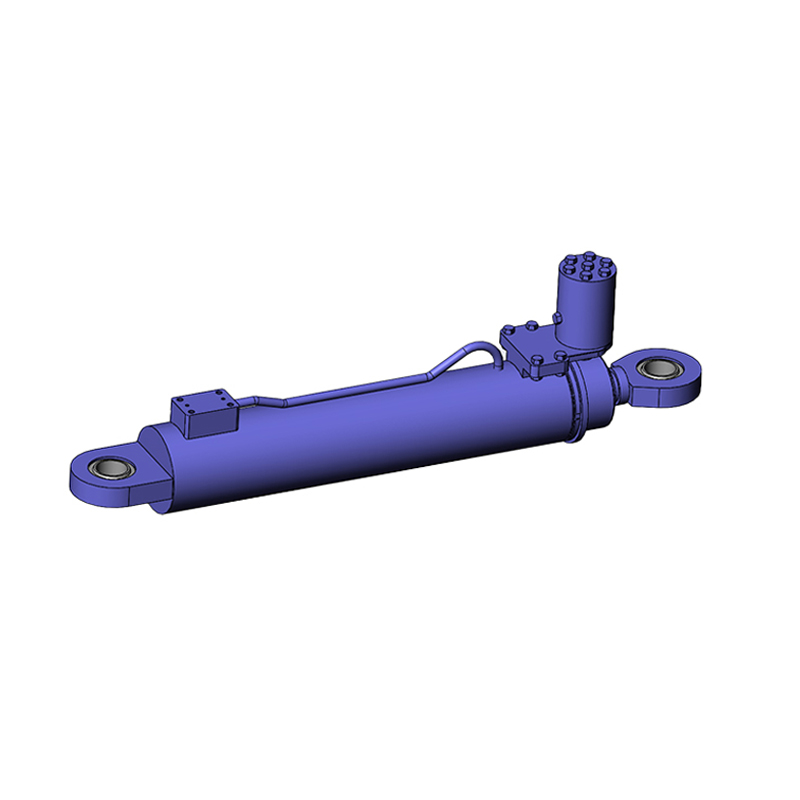
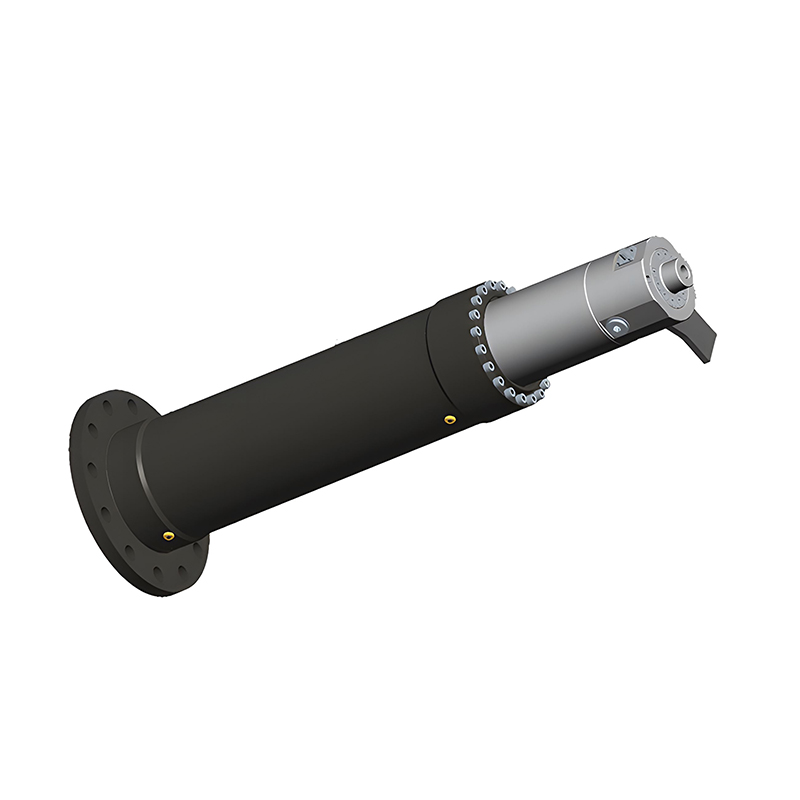
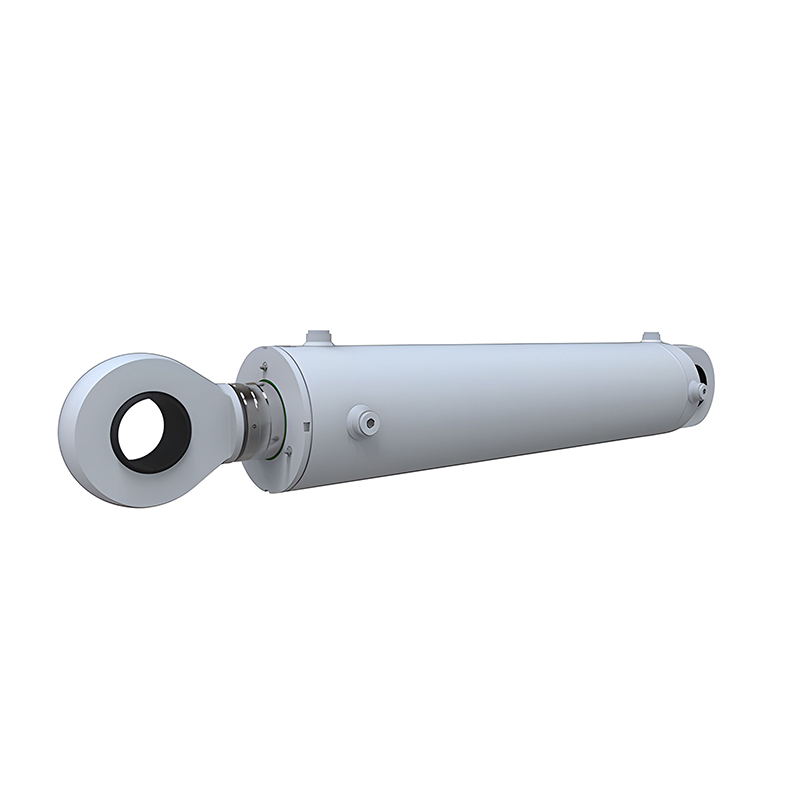
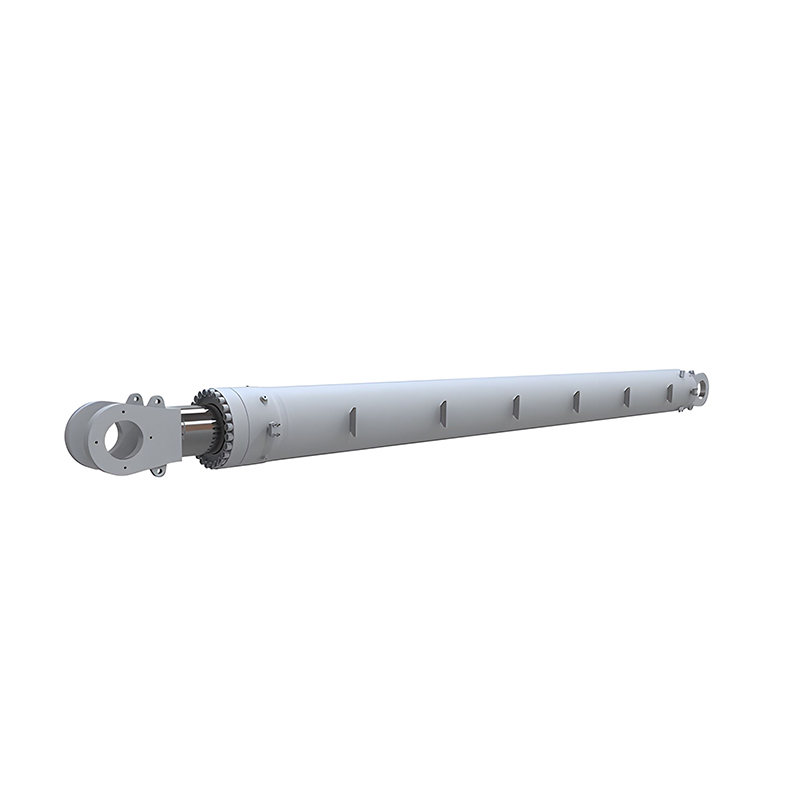
Modern shipping and marine operations rely heavily on robust, reliable, and precise hydraulic systems to perform a wide variety of tasks. From moving heavy cargo to operating deck machinery, stabilizing equipment, and controlling rudders, hydraulic systems are the backbone of any heavy-duty marine operation. At the heart of these systems are Marine Equipment Hydraulic Cylinders, commonly referred to as Marine Cylinders, which provide the power, precision, and reliability needed to manage heavy loads safely and efficiently.
As a leading manufacturer and supplier of Marine Equipment Hydraulic Cylinders and Marine Cylinders, we have seen a growing demand from shipbuilders, offshore operators, and maritime service providers for high-performance hydraulic solutions. These cylinders are designed to withstand harsh marine environments, resist corrosion, and deliver consistent performance under extreme pressures and loads.
A Marine Equipment Hydraulic Cylinder is a mechanical actuator that converts hydraulic energy into linear motion to perform specific tasks onboard a ship. These cylinders are integral to many marine systems, from lifting and pushing to steering and stabilizing.
Key features of Marine Cylinders include:
By providing reliable linear motion, Marine Equipment Hydraulic Cylinders enable ships to operate safely, efficiently, and effectively even under challenging marine conditions.
One of the primary functions of hydraulic cylinders onboard cargo and container ships is to manage heavy-duty deck operations. This includes:
High-performance Marine Equipment Hydraulic Cylinders ensure that these operations are conducted smoothly, reducing the risk of accidents, mechanical failure, and downtime.
Ship steering systems rely heavily on Marine Cylinders to convert hydraulic pressure into controlled rudder movement. This is especially critical for large vessels, where manual steering is impractical due to the enormous forces involved.
Reliable rudder control is essential for both safety and operational efficiency, particularly in challenging sea conditions.
Modern ships often include stabilizing systems such as active fins or ballast adjustment mechanisms. Marine Cylinders play a critical role in these systems by:
By integrating high-quality Marine Equipment Hydraulic Cylinders, ships maintain operational stability, reduce structural stress, and enhance passenger or crew comfort.
Offshore vessels, oil rigs, and specialized marine platforms require Marine Cylinders for complex operations, including:
In these applications, cylinders must resist extreme pressure, saltwater corrosion, and mechanical fatigue. Manufacturers design Marine Equipment Hydraulic Cylinders to meet these rigorous requirements, ensuring mission-critical operations can be performed reliably.
Investing in premium Marine Cylinders offers several advantages for ship operators and fleet managers:
Marine environments are harsh, with exposure to saltwater, high humidity, and extreme temperatures. High-quality hydraulic cylinders are constructed from corrosion-resistant alloys and coatings, which:
Heavy-duty ship operations demand consistent performance. Reinforced Marine Equipment Hydraulic Cylinders maintain hydraulic pressure, resist deformation, and provide smooth, controlled motion even under extreme load conditions.
Reliable cylinders reduce the frequency of maintenance and unexpected repairs, minimizing downtime and operational disruption. Preventive maintenance schedules become simpler and more predictable, saving labor and repair costs.
Accurate hydraulic control reduces the risk of accidents during cargo handling, steering, or offshore operations. Smooth and precise cylinder operation protects both crew and equipment, ensuring safe and efficient marine operations.
Marine Cylinders are specifically engineered for the marine environment, with features that include:
These design considerations make Marine Equipment Hydraulic Cylinders reliable and durable solutions for a variety of heavy-duty ship functions.
Container ships, bulk carriers, and tankers rely on Marine Cylinders for cranes, winches, and cargo handling equipment. Efficient hydraulic systems reduce loading and unloading time, improving operational efficiency and turnaround.
Oil platforms, support vessels, and subsea equipment benefit from cylinders that can withstand extreme pressure and saltwater exposure while providing precise control for complex operations.
Military ships require robust and reliable hydraulic cylinders to operate weapon systems, steering mechanisms, and deck machinery under harsh conditions and rapid operational demands.
Luxury yachts, research vessels, and icebreakers use hydraulic cylinders for stabilizers, hatch operations, gangways, and other specialized equipment, ensuring safety, comfort, and operational efficiency.
Several trends are increasing the demand for high-performance Marine Equipment Hydraulic Cylinders:
These factors ensure that Marine Cylinders remain essential components for heavy-duty marine applications.
For manufacturers and suppliers of Marine Equipment Hydraulic Cylinders, this market provides numerous opportunities:
By offering durable, high-performance Marine Cylinders, suppliers can secure a strong position in the global marine equipment market.

Copyright © Jiangsu Hengcai Hydraulic Mechanical Co., Ltd. All Rights Reserved.
 Custom Hydraulic Cylinders Manufacturers